A feast of light and forecasts: Reconnecting Groundhog Day with Candlemas
Emerging from his burrow at dawn, groundhog Punxsutawney Phil saw his shadow the morning of Feb. 2, signaling six more weeks of winter according to the long-running folklore tradition.

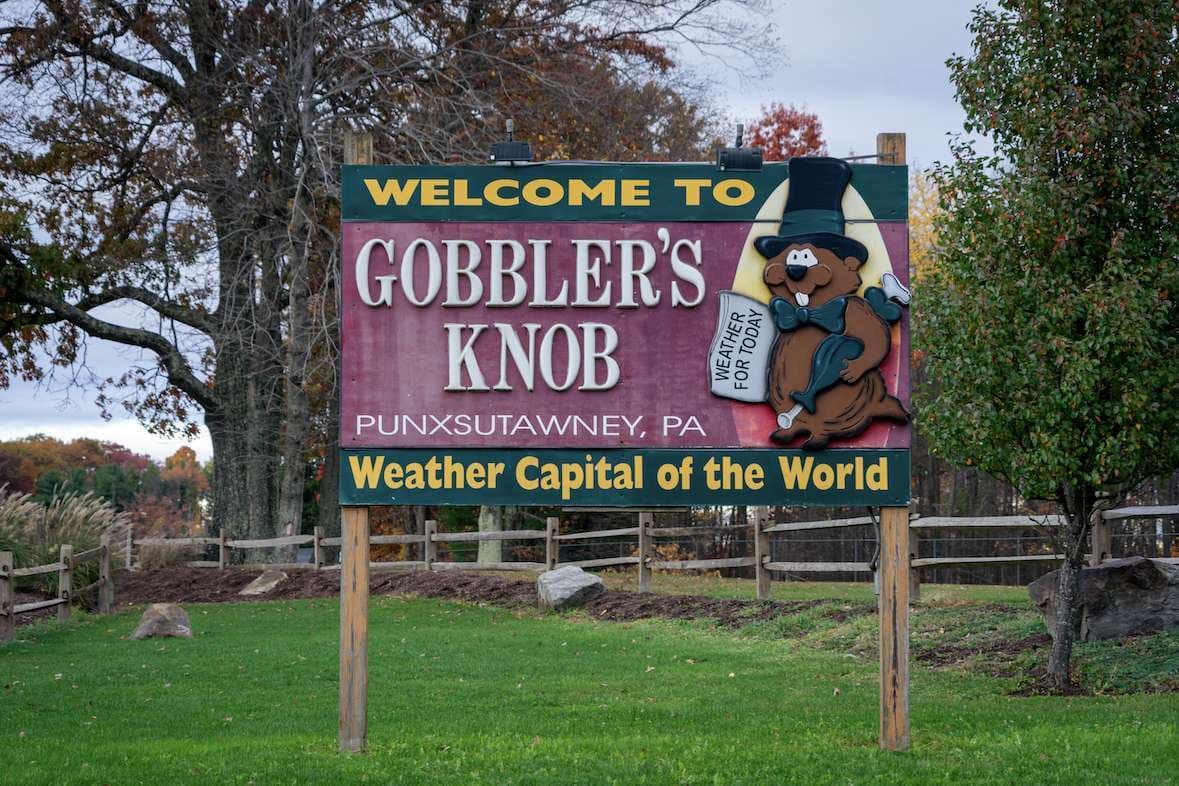
Emerging from his burrow at dawn, groundhog Punxsutawney Phil saw his shadow the morning of Feb. 2, signaling six more weeks of winter according to the long-running folklore tradition.
This marks the 110th time the involved groundhog has predicted a longer winter since the first official Groundhog Day in 1887, compared with only 21 early spring calls.
This year, the event at Gobbler’s Knob drew thousands of bundled-up visitors despite freezing temperatures, continuing a whimsical celebration rooted in weather lore and community spirit.
While Groundhog Day may seem like a light-hearted secular spectacle, the date — Feb. 2 — has deep Catholic significance.
Known in the Church as Candlemas, the Feast of the Presentation of the Lord commemorates the moment when Mary and Joseph brought the infant Jesus to the Temple 40 days after his birth, fulfilling Mosaic law (Luke 2:22-40).
>> ‘A light for revelation to the Gentiles’: The Feast of Candlemas <<
This feast emphasized Jesus as the "light of the world" (John 8:12), leading to the custom of blessing candles — hence the name "Candlemas" (from "candle mass"). The faithful would bring candles to church for blessing, using them throughout the year to symbolize Christ's light dispelling spiritual darkness. This practice dates back to at least the 4th century and was formalized in the liturgical calendar.
Medieval Christians in Europe saw Candlemas as a turning point in the seasons and attached weather proverbs to the day, such as the English rhyme: "If Candlemas be fair and bright, Come, Winter, have another flight; If Candlemas brings clouds and rain, Go Winter, and come not again." Similar sayings appeared in German: a sunny Candlemas meant 40 more days of cold.
In parts of Germany and England, animals like badgers were traditionally believed to emerge from hibernation on Feb. 2. If they saw their shadow, a sign of clear skies, they would retreat into their dens, signaling six more weeks of winter. Animals’ stirring midway through winter often coincided with changing seasonal patterns, offering rural communities an informal way to gauge the length of the cold season.
German immigrants carried these customs to Pennsylvania in the 18th and 19th centuries, adapting the tradition to the native groundhog. By the late 1800s, the practice had evolved into the annual Punxsutawney celebration, shedding its religious elements while retaining the date and shadow-based prediction.
Though few attendees realize it, Groundhog Day echoes the Catholic rhythm of light, renewal, and the hopeful end of winter, even as most spectators focus on the hope — or dread — of an early spring.




Comments