AI deepfakes are targeting elderly Catholics
“Deepfake” videos generated by artificial intelligence (AI) and impersonating Catholic clergy have proliferated online over the past year, prompting warnings from the Vatican, dioceses, and clergy. The videos use AI to fabricate realistic audio and video of real priests, bishops, and the Pope, often mimicking the tone of sermons or pastoral reflections.


“Deepfake” videos generated by artificial intelligence (AI) and impersonating Catholic clergy have proliferated online over the past year, prompting warnings from the Vatican, dioceses, and clergy. The videos use AI to fabricate realistic audio and video of real priests, bishops, and the Pope, often mimicking the tone of sermons or pastoral reflections.
In many cases, the videos shift from commentary to requests for donations, personal information, or financial transfers. Church officials and aging-advocacy groups say older Catholics — who may be more isolated or less familiar with emerging technologies — are especially vulnerable to such deception.
Deepfake videos growing harder to detect
Deepfakes are not new, but they have become far more convincing in a short period of time. Cybersecurity researchers at the University of North Carolina say widely available generative AI tools now make it possible for users with little technical expertise to create realistic videos impersonating public figures by cannibalizing publicly available audio and footage.
Until the past year, deepfakes usually carried obvious telltale signs of visual or audio distortion. By late 2025, experts say, many such videos had become difficult to distinguish from authentic footage without specialized analysis.
Impact on elderly Catholics
The increasing realism of AI-generated deepfakes has added a new dimension to fraud affecting older adults, allowing bad actors to fabricate videos in which trusted figures appear to speak words they never said.
For elderly Catholics, that technology can be especially disorienting when it places familiar clergy at the center of a request for money, prayer, or urgent action.
According to the National Council on Aging, Americans age 60 and older have lost billions of dollars in recent years to fraud, with emotionally manipulative schemes — now increasingly aided by AI — leading to an increase. The council reported that older adults lost $3.4 billion to fraud in 2023 alone, a figure experts say has continued to rise as AI-assisted impersonation becomes more common.
Elderly Catholics may also rely more heavily on online religious content due to mobility limitations or isolation, making them more likely to encounter fraudulent videos circulating on social media.
Papal deepfakes
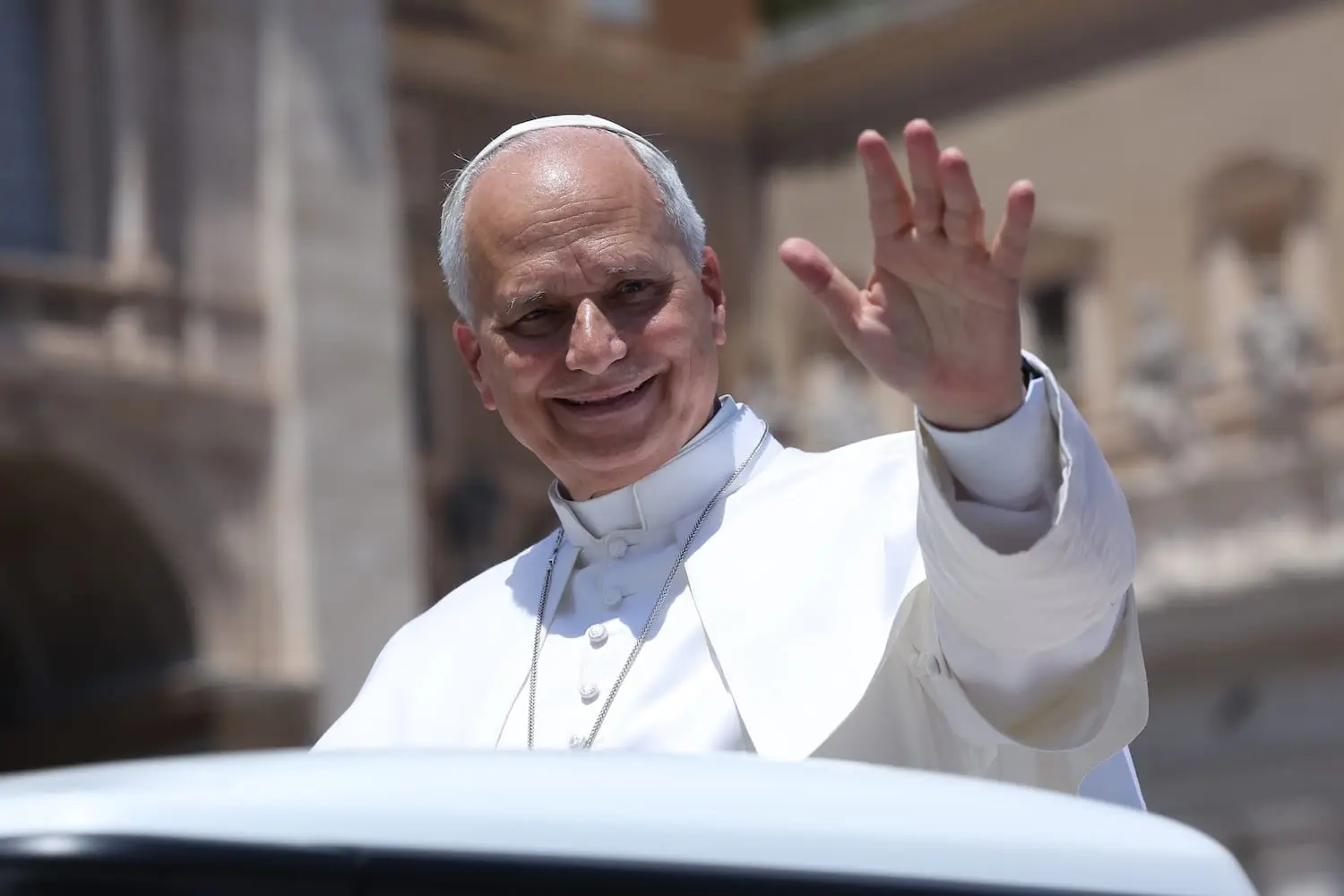
Since the election of Pope Leo XIV in May 2025, Vatican officials and Catholic media have dealt with a surge of AI-generated videos falsely portraying the Pope. The fabricated videos depict him delivering sermons, issuing political endorsements, or offering personal spiritual guidance he never gave.
Vatican communications officials have described the spread of such content as rapid and difficult to contain, with hundreds of accounts exploiting the Pope’s image before being identified and removed.
One widely shared clip falsely showed Pope Leo praising Burkina Faso’s military leader, Ibrahim Traoré, using manipulated footage from a legitimate papal audience. Other videos, including a YouTube channel titled “Pope Leo XIV’s Sermons,” posted AI-generated homilies and drew large audiences before being taken down.
Priests and bishops impersonated
In November 2025, the well-known priest and podcaster Father Mike Schmitz released a public warning after discovering AI-generated videos falsely attributed to him. Some featured apocalyptic language or promises of spiritual protection in exchange for money.
Bishop Robert Barron also faced AI deepfake impersonations. In August 2025, he publicly warned about fabricated videos that were using his likeness and voice and discussing absurd scenarios like a fake altercation at a Chicago restaurant or other damaging claims designed to defraud followers or monetize the content through ads. He emphasized the resulting harm to his reputation and to people being misled, urging followers to verify content via official channels and ignore unverified profiles.
Church and platform responses
Church leaders say the challenge posed by AI-generated deepfakes extends beyond individual incidents, raising long-term concerns about trust in online religious content. Clergy worry that repeated exposure to fabricated videos could gradually undermine confidence in legitimate digital ministries — many of which became vital sources of spiritual connection for older Catholics after the pandemic.
Technology platforms have removed hundreds of accounts flagged by fact-checkers, but enforcement has largely remained reactive, with new accounts often appearing as quickly as others are taken down.
In the meantime, dioceses have begun responding at the local level. The Diocese of Springfield, Illinois, recently issued a practical guide for elderly Catholics, which can be read here.




Comments