Bishop Barron on serving on WH Religious Liberty Commission: The Church’s voice can ‘resonate in the halls of power’
After participating in President Donald Trump’s year-long Religious Liberty Commission, Bishop Robert Barron of Winona-Rochester, Minnesota, this month reflected on his experience with the commission and what was accomplished.

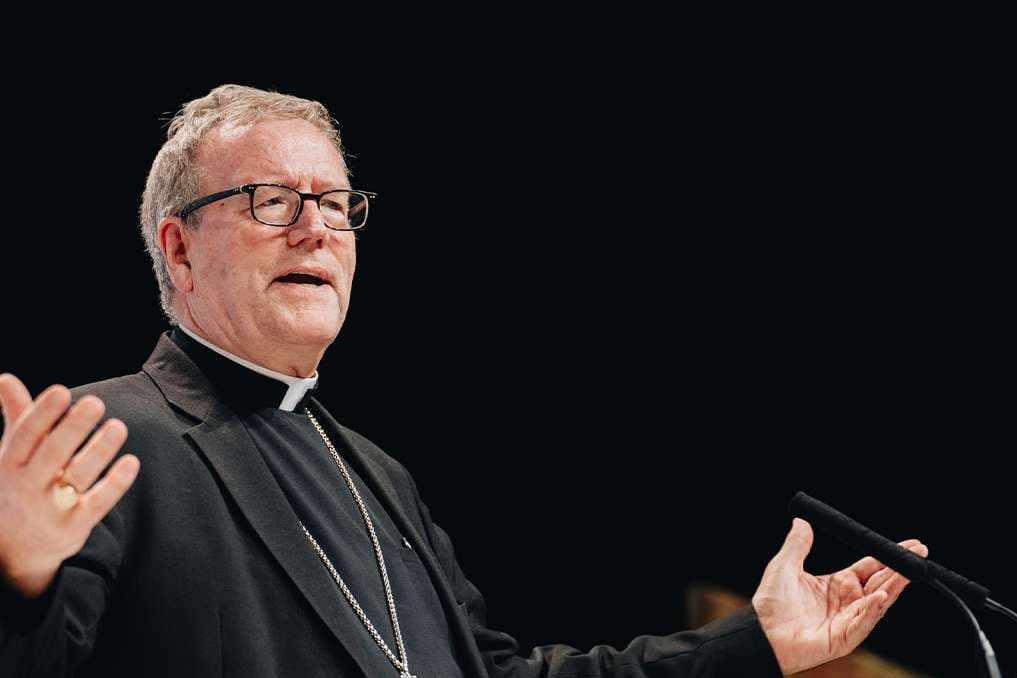
After participating in President Donald Trump’s year-long Religious Liberty Commission, Bishop Robert Barron of Winona-Rochester, Minnesota, this month reflected on his experience with the commission and what was accomplished.
In an April 28 op-ed for FOX News, Bishop Barron wrote that when he received the phone call invitation, he thought, “Well, the president of the United States is inviting a Catholic bishop to be a voice around the table as the crucially important issue of religious freedom is being discussed."
He decided to say yes, especially since the United States Conference of Catholic Bishops had made religious liberty a central concern.
The commission did “exceptionally important” work, Bishop Barron wrote, in bringing to light violations of religious freedom in the medical, educational, and military fields.
“We explored the sources of religious freedom in the work of the Founding Fathers, and we drew special attention to the antisemitism that is currently bedeviling our country,” he wrote. “One of the most significant contributions we made was to bring into sharper relief the issue of church-state relations.”
The bishop wrote about how much of recent religious liberty discourse revolves around Thomas Jefferson’s metaphor of a “wall” separating church and state — a metaphor that is not found in the Declaration of Independence, the Federalist Papers, nor the Constitution.
“What we do indeed find in the First Amendment is the prohibition against any formal establishment of religion through an act of Congress, but this has nothing to do with eliminating religion from public life or even reducing religious expression to private acts of worship,” Bishop Barron wrote.
The commission found that Jefferson’s “wall” had been used as an excuse to violate the First Amendment rights of citizens, including Christian students who were forbidden from wearing a COVID-19 mask that said “Jesus loves me,” according to Bishop Barron.
The greatest threat to religious liberty, the bishop wrote, is "the culture of self-invention."
“This ideology dictates that there are no objective moral values and no stable human nature,” Bishop Barron wrote, “and hence the determination of value is entirely a product of individual choice.”
The more that officials and leaders adopt this ideology, the more that they seek to restrict people’s right to religious freedom, Bishop Barron wrote.
Bishop Barron then wrote about how positive his experience on the commission was, with other members treating him with respect and never demanding that he embrace all of the Trump administration’s positions or opinions.
“I fully realize that, for some, the simple fact that the president whose administration invited me to join the commission was Donald Trump was enough to inspire a negative response, but I thought that objection was silly,” he wrote. “In all honesty, if President Joe Biden had invited me to serve on such a commission, I would have said yes, though I rather vehemently disagree with many of his policies.”
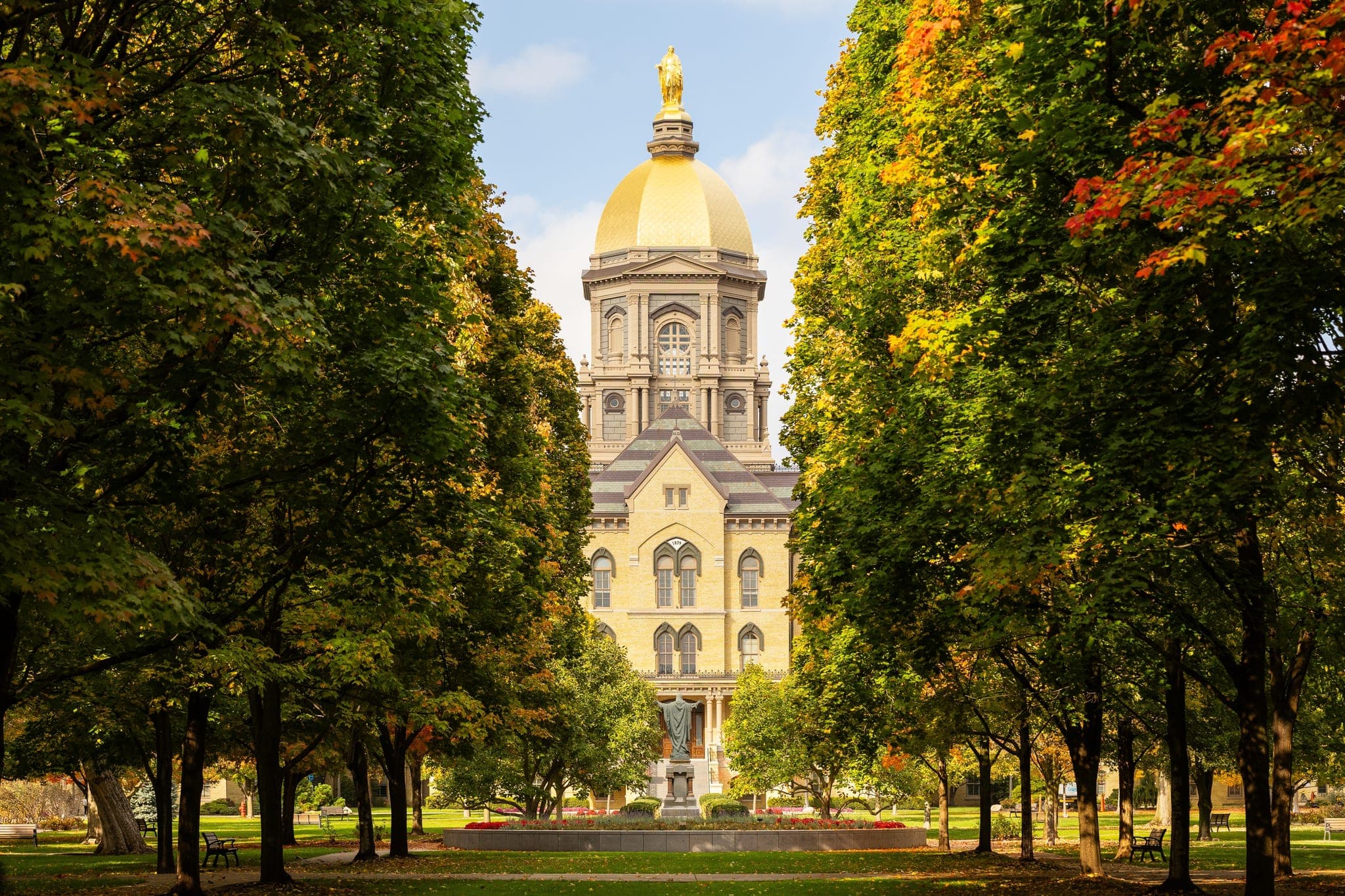
Father Theodore Hesburgh, the president of the University of Notre Dame, was Bishop Barron’s inspiration, he wrote. Fr. Hesburgh served on 16 commissions under five different presidents, both Democrat and Republican, even though he must not have agreed with everyposition of each of those presidents.
“The point is this,” the bishop wrote, “If church leaders absent themselves from advising government officials, then the church's voice does not resonate in the halls of power.”
Giving advice, he wrote, is very different from implementing the president’s policies. The bishop’s role was to attempt to shape those policies, rather than execute them.
“In sum, participating in the Religious Liberty Commission was a wonderful experience, and I'm very glad that I accepted the president's invitation,” he concluded. “The criticisms and objections were, in the final analysis, spurious and born, I would maintain, largely out of pique and envy.”
Comments