Denver archbishop emeritus issues Lenten message as archdiocese prepares for new leader
Archbishop Samuel Aquila, the archbishop emeritus of Denver, is urging Catholics to “listen with the heart” this Lent and to take up the Holy Father’s challenge of fasting from harmful speech.

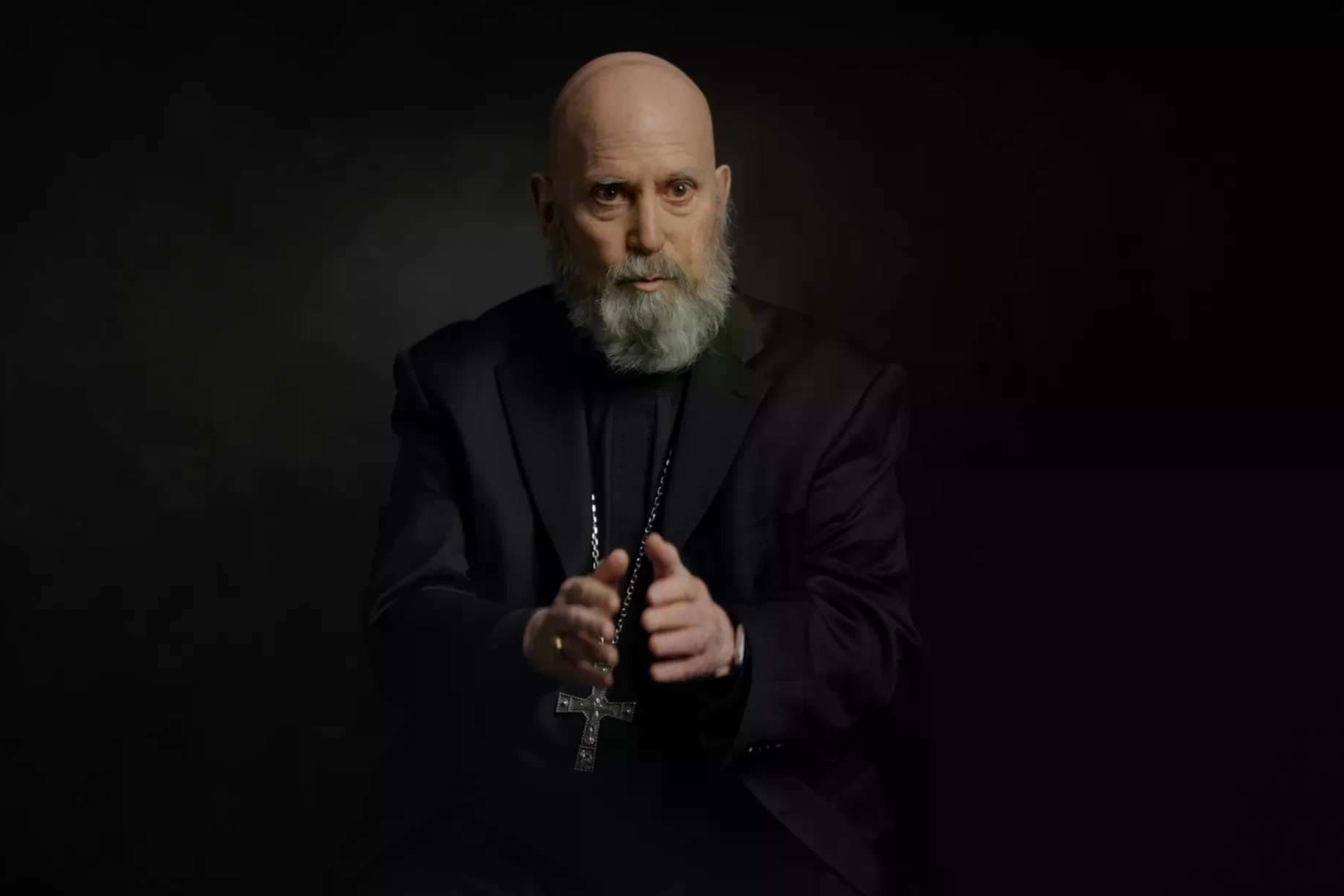
Archbishop Samuel Aquila, the archbishop emeritus of Denver, is urging Catholics to “listen with the heart” this Lent and to take up the Holy Father’s challenge of fasting from harmful speech.
In the pastoral note dated Feb. 18 and titled “Encounter Jesus: Listening with the Heart,” Archbishop Aquila called the 40-day season “a personal invitation” to conversion and renewed friendship with Christ.
“As we begin this holy season of Lent on Ash Wednesday, the Church marks our foreheads with ashes and speaks the ancient words: ‘Repent and believe in the Gospel.’ These words are not merely a ritual formula; they are a personal invitation. Lent is a time of conversion, a time to return to the Lord with all our hearts,” he wrote.
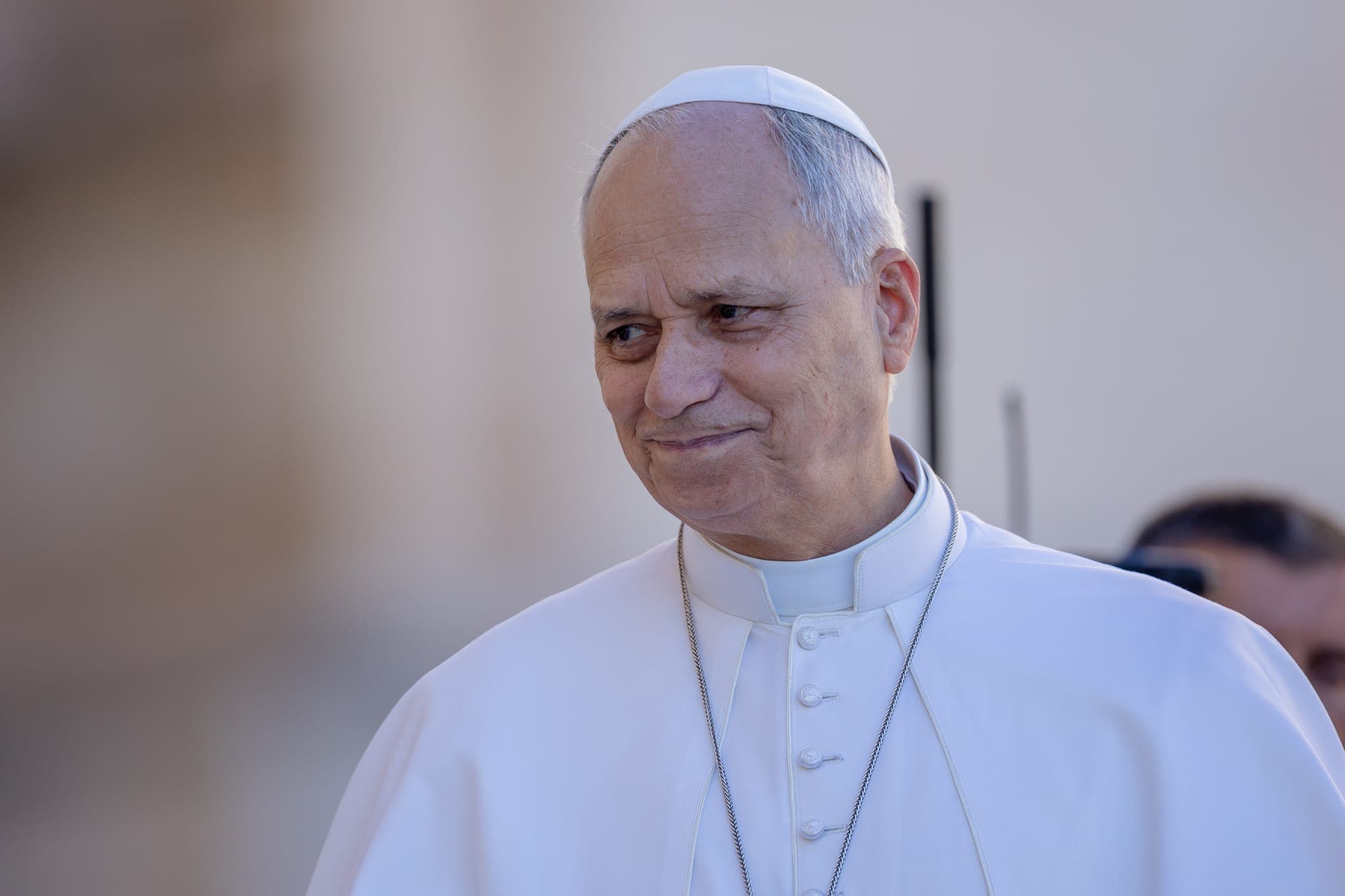
The message comes days after Pope Leo XIV accepted the archbishop’s letter of resignation — submitted as canon law requires of all bishops at the age of 75 — on Feb. 7 and appointed Bishop James Golka of Colorado Springs, Colorado, as the sixth archbishop of Denver. Archbishop Aquila is serving as apostolic administrator during the transition. Bishop Golka will be installed March 25.
“This Lent is unique for us in the Archdiocese of Denver,” Archbishop Aquila wrote. “In God’s Providence, we are living through a moment of transition in episcopal leadership.”
“Transitions can stir many emotions: gratitude, hope, uncertainty, even a sense of loss,” he said. “Yet they can also bring moments of grace. They remind us that the Church belongs not to any one man, but to Jesus Christ. He is the Good Shepherd who never ceases to guide his flock.”
Listening before speaking
Drawing from Pope Leo’s Lenten message, Archbishop Aquila emphasized that conversion begins with listening — first to God, then to others.
“Before we speak, before we act, before we attempt to solve problems or defend positions, we are called first to listen,” he wrote.
Quoting the Book of Exodus, he pointed to God’s words to Moses: “I have witnessed the affliction of my people … I have heard their cry” (Exodus 3:7).
“Our God is not distant or indifferent. He hears. He sees. He knows. He loves us even when we are far from him. Divine listening precedes divine action,” Archbishop Aquila wrote. “And if God listens to us, how much more must we learn to listen to him first before we speak or act?”
He warned that constant noise — “constant news, endless commentary, social media and hurried conversations” — can crowd out space for God’s voice.
“Yet silence is the soil in which the Word of God takes root,” he wrote. “Without silence, the Word remains on the surface of our lives. With silence, it penetrates our hearts.”
Archbishop Aquila encouraged Catholics praying with the Gospels to ask: “Do I hear Jesus speaking to me personally?”
“Is Jesus the one who is my true teacher, forming my heart and mind?” he wrote. “Or do I listen more attentively to the voices of culture, politics, the evil one or my personal preference? Conversion begins when we allow Jesus to become more than just an admired figure or distant Lord. It begins when we allow him to speak directly to our lives, and when we are willing to obey.”
A fast from harmful language
Archbishop Aquila also echoed the Holy Father’s challenge, urging Catholics to abstain from destructive speech this Lent.
“Perhaps this Lent, as the Holy Father wisely recommends, we can fast from criticism, sarcasm, gossip, cynicism and harsh judgments,” he wrote. “Perhaps we can fast from the quick retort and the defensive reply.”
Such a fast, he said, requires interior conversion: “When our hearts are close to Jesus, our words begin to resemble his: merciful, truthful and life-giving.”
The archbishop also pointed to the sacraments, especially Confession and the Eucharist, as central to Lenten renewal.
“The more intimate we become with Christ, the more we are freed from sin,” he wrote. “Through relationship with Jesus, we experience more than mere self-improvement. We allow Jesus to love us and to heal us in his grace, rather than our own willpower.”
A personal profession of faith
In one section of the letter, Archbishop Aquila invited the faithful to personalize the Nicene Creed in prayer, offering an example that begins, “Jesus, I believe you are the Son of God,” and concludes, “Jesus, I give you my heart. Amen.”
“When we speak to him in this way — personally, sincerely — our faith becomes real in each of our lives,” he wrote. “No longer an abstract formula, faith becomes a relationship based on encounter.”
He concluded by praying that the season would be “a true time of conversion” marked by the theological virtues “deeper faith, firmer hope and more ardent charity.




Comments