DOJ releases new Epstein file documents with uncorroborated sexual assault allegations against Trump
The Department of Justice (DOJ) released previously unseen documents from the Epstein files March 5 that included summaries of FBI interviews with a woman who alleged President Donald Trump sexually assaulted her when she was a young teenager after she was introduced to him by Jeffrey Epstein.

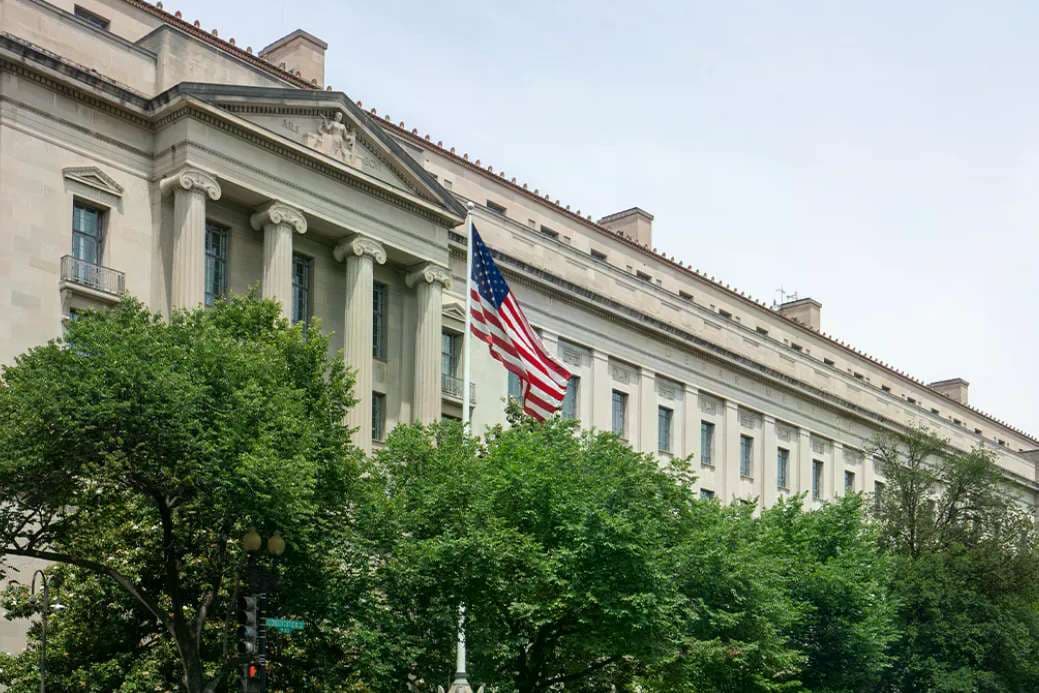
The Department of Justice (DOJ) released previously unseen documents from the Epstein files March 5 that included summaries of FBI interviews with a woman who alleged President Donald Trump sexually assaulted her when she was a young teenager after she was introduced to him by Jeffrey Epstein.
According to the FBI memos, an unidentified woman told agents in a series of 2019 interviews that Epstein began abusing her when she was 13. She claimed that, at some point during the following two years, Epstein introduced her to Trump. During that encounter, she claimed Trump exposed himself to her and then struck her after she resisted his attempt to sexually molest her. The woman also told agents that she heard Trump and Epstein discussing Epstein blackmailing people and claimed she heard Trump “talking about washing money through casinos,” according to the memos.
In a separate FBI interview about three weeks later, agents wrote that she described receiving threatening phone calls that she believed were connected to Trump or Epstein and recounted several incidents in which she was “almost run off the road” by other vehicles. The documents don’t indicate whether investigators took any actions regarding the allegations.
The claims are uncorroborated, and Trump has consistently denied any wrongdoing in relation to Epstein. In a March 5 statement cited by Politico, White House Press Secretary Karoline Leavitt called the allegations “completely baseless accusations, backed by zero credible evidence, from a sadly disturbed woman who has an extensive criminal history.”
“The total baselessness of these accusations is also supported by the obvious fact that Joe Biden’s Department of Justice knew about them for four years and did nothing with them – because they knew President Trump did absolutely nothing wrong,” Leavitt said. “As we have said countless times, President Trump has been totally exonerated by the release of the Epstein Files.”
The latest release comes amid ongoing scrutiny of the Trump administration’s handling of the documents after the DOJ was ordered to release all files related to Epstein under the Epstein Files Transparency Act. After releasing millions of documents in January, the department said in a Feb. 24 social media post that “ALL responsive documents have been produced unless a document falls within one of the following categories: duplicates, privileged, or part of an ongoing federal investigation.”
Still, some observers questioned whether the release was complete.
According to CBS News, the DOJ announced last week that it was working to determine if any records were improperly withheld. On March 4, the House Oversight Committee subpoenaed Attorney General Pam Bondi, demanding that she answer questions about the release under oath. The committee has been investigating whether the DOJ improperly withheld Epstein files from the public.
Democratic Rep. Robert Garcia of California, the ranking member of the House Oversight Democrats, said in a statement posted to X that “Oversight Democrats can confirm that the DOJ appears to have illegally withheld FBI interviews with this survivor who accused President Trump of heinous crimes.”
“Under the Oversight Committee’s subpoena and the Epstein Files Transparency Act, these records must immediately be shared with Congress and the American public,” Garcia added.
In a post on X responding to the statement, the DOJ said the committee’s Democrats “should stop misleading the public while manufacturing outrage from their radical anti-Trump base,” adding that “NOTHING has been deleted.”
“If files are temporarily pulled for victim redactions or to redact Personally Identifiable Information, then those documents are promptly restored online and are publicly available,” the DOJ added. “ALL responsive documents have been produced unless a document falls within one of the following categories: duplicates, privileged, or part of an ongoing federal investigation.”






Comments