Education Department releases new guidance affirming prayer rights in public schools
The U.S. Department of Education released updated guidance Feb. 5 clarifying when prayer and religious expression are constitutionally protected in public elementary and secondary schools.

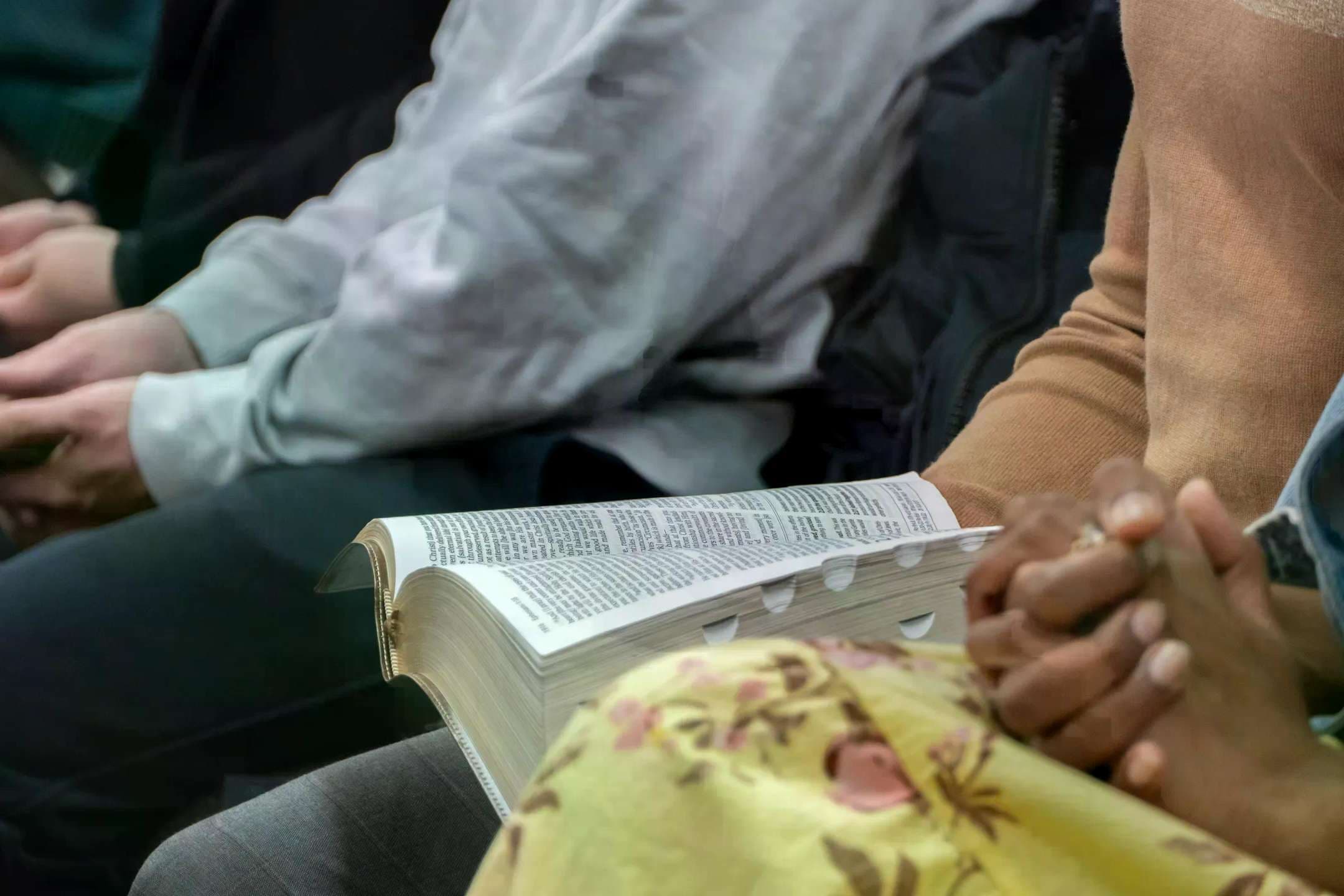
The U.S. Department of Education released updated guidance Feb. 5 clarifying when prayer and religious expression are constitutionally protected in public elementary and secondary schools.
President Donald Trump announced the release during remarks at the 74th annual National Prayer Breakfast, calling the move a “big deal” and saying the new guidance is intended to protect the right to prayer in public schools.
According to the department, the guidance focuses on three First Amendment protections: the right of parents and children to free speech, the right to freely exercise religion, and the obligation of public schools to avoid establishing or endorsing religion.
Under the new guidance, schools must allow religious expression as long as it respects the rights of others, does not involve the school itself engaging in religious activity, and does not favor secular views over religious ones or one religion over another.
What the guidance says
- Students, teachers, and school staff may engage in prayer at school as an expression of individual belief, provided they are not acting on behalf of the school itself.
- Public schools are prohibited from organizing, sponsoring, or coercing participation in prayer. For instance, administrators cannot lead prayer at mandatory school events.
- Public schools can place limits on student speech that “materially disrupts classwork or involves substantial disorder or invasion of the rights of others.” Any such limits must be enforced in the same manner as restrictions on comparable secular speech.
- Religious expression must be evaluated under the same standards applied to secular expression. For example, academic work containing religious viewpoints may not be penalized solely because of its religious content.
- Student religious groups are entitled to equal treatment alongside secular organizations. If a school recognizes or supports nonreligious clubs, it must extend the same recognition or support to religious clubs.
“The Trump Administration is proud to stand with students, parents, and faculty who wish to exercise their First Amendment rights in schools across our great nation,” Education Secretary Linda McMahon said in a press release. “Our Constitution safeguards the free exercise of religion as one of the guiding principles of our republic, and we will vigorously protect that right in America’s public schools.”
The guidelines replace 2023 Biden-era directives, which were released in the wake of a major Supreme Court ruling that affirmed a high school coach’s right to pray publicly and placed greater emphasis on ensuring school staff neither encourage nor discourage student prayer.

Comments