EXCLUSIVE: Amid priest shortage, Catholic ministry aims to reshape views of priesthood
The number of Catholic priests in the U.S. has fallen from roughly 58,000 in the 1970s to about 35,000 today, and a ministry called Thank A Priest says it is working to reverse that trend by changing how young Americans perceive the priesthood.

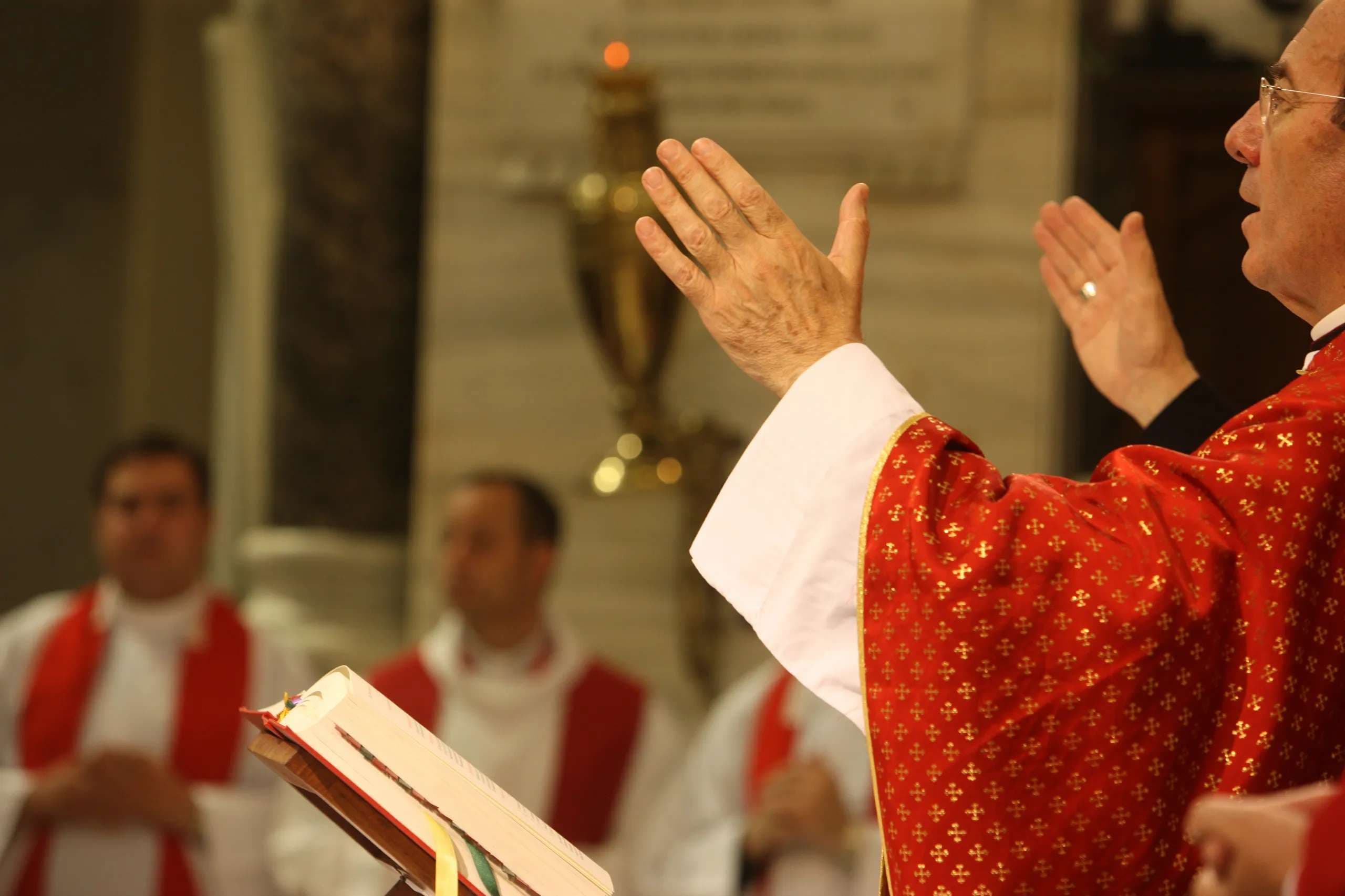
The number of Catholic priests in the U.S. has fallen from roughly 58,000 in the 1970s to about 35,000 today, and a ministry called Thank A Priest says it is working to reverse that trend by changing how young Americans perceive the priesthood.
The initiative, which is part of the Catholic organization Shepherding Future Shepherds, launched publicly about a year ago and has since recorded more than 7 million views of what it calls "positive priest media."
The monthly video stories profile active priests, Matthew Haas explained to Zeale News in a phone interview. Haas is the ministry's founder and marketing executive. He helped promote Mel Gibson's 2004 film The Passion of the Christ, and said the idea for a priest-appreciation initiative first emerged during promotion of the 2011 film There Be Dragons, which drew on the life of Saint Josemaría Escrivá. He registered the domain thank-a-priest.com at that time but did not launch a formal ministry for roughly a decade.
"There are a lot of negative stereotypes that exist around the priesthood," Haas said, "and this was one of those ways to help combat those and in doing so, hopefully help encourage men to say yes to the call to the priesthood."
A national survey commissioned by the ministry found that Americans between 18 and 25 held the most negative views of the priesthood of any age group, with roughly one in four in that cohort associating the priesthood with predatory behavior, Haas said. He described that figure as "alarming," noting that the age group represents the primary pool of potential future priests.
Vatican News reported at the end of March that the global number of seminarians declined 2.7% from the end of 2023 to the end of 2024, Haas said. In the U.S., the trend has also pushed the average age of active priests from about 35 in the 1970s to roughly 62 today.
Haas explained that, given the years of formation the priesthood requires, that demographic shift means the shortage is likely to worsen before it improves – even if more men begin seminary now.
The priest shortage is already reshaping parish life in tangible ways, Haas said. He described a pastor in his wife’s home state of Maine – a priest who serves three churches within a single merged parish. During one weekend, that pastor was called for two Anointing of the Sick visits; one parishioner died before he could arrive.
"She said, 'Father, can't you just order more priests?'" Haas recalled the grieving daughter of the deceased parishioner asking. "He goes, 'No, they have to come from somewhere. They have to come from men saying yes.'"
Beyond fewer Masses, Haas said the strain on priests reduces community access to confession and eliminates parish-driven social ministries serving the sick and poor.
Haas said that conversations with vocation directors — the Church officials who recruit and guide seminary candidates — identified several common traits among men who enter the priesthood: regular attendance at daily Mass, time spent in Eucharistic adoration, and frequent use of the Sacrament of Reconciliation. Directors also found that many seminarians traced the beginning of their discernment to a single conversation in which someone suggested they consider the priesthood.
"It came over and over and over again," Haas said. "If there is someone in your life that you think could be a good priest, don't hesitate to ask them."
Parental resistance is another obstacle, he said. Vocation directors told him that parents often discourage sons out of fear their child would be lonely or that they would be denied grandchildren.
Haas shared that several priests have told the ministry that reading stories on the Thank a Priest platform reminded them of why they entered the priesthood in the first place.
"It revitalizes their own priesthood," he said. "It reminds them, 'This is why I said yes in the beginning. This is the passion that's there.'" He added that the encouragement carries particular weight now, as many priests find themselves stretched across multiple merged parishes.
“They need even more support and gratitude because there are fewer priests doing the work,” Haas said.

Comments