EXCLUSIVE | Author of book for ‘quirky’ Catholic kids: ‘God made them as they are, and His plans for them are perfect’
For many Catholic parents, the vocation of motherhood or fatherhood doesn’t unfold according to the tidy images often presented in parish life. Families raising neurodivergent children can find themselves feeling out of step — even within faithful communities that genuinely strive to be welcoming.
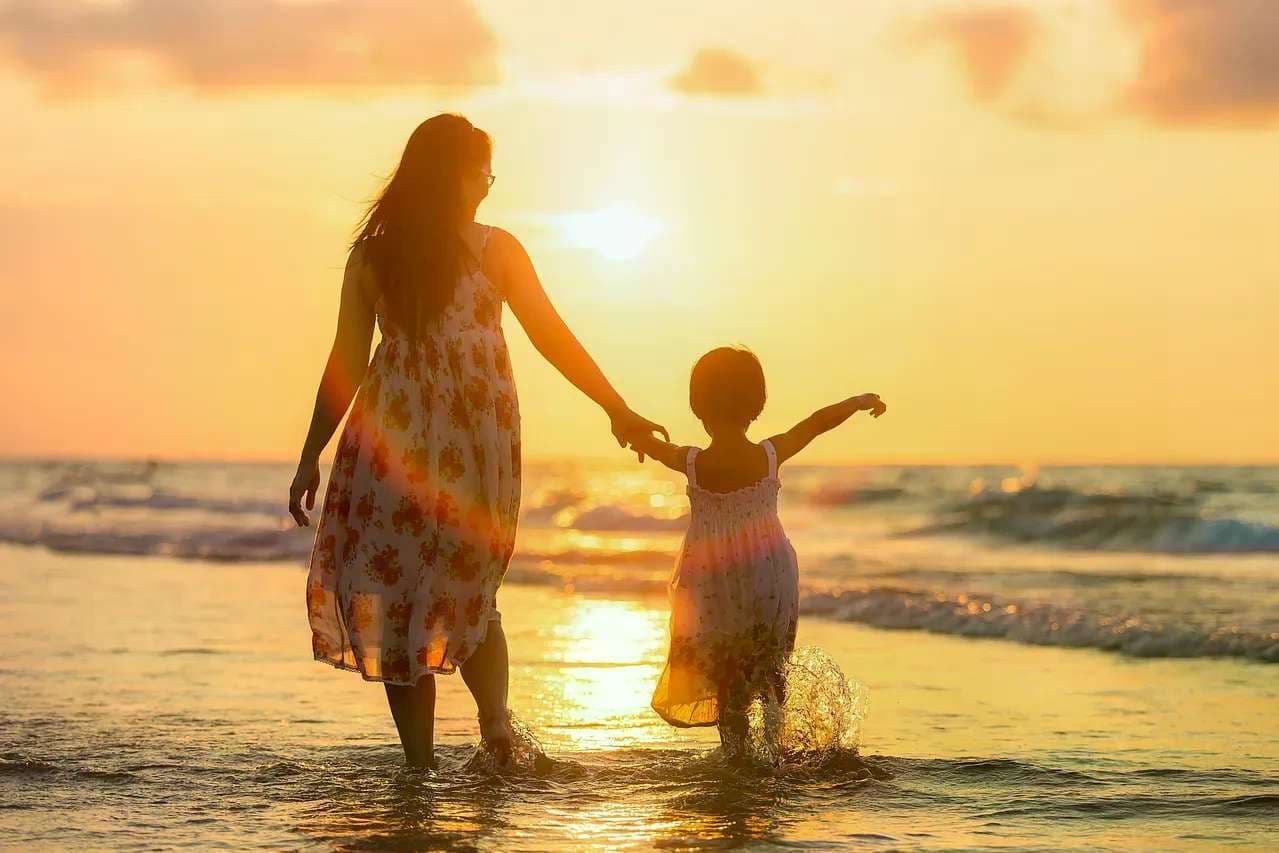
For many Catholic parents, the vocation of motherhood or fatherhood doesn’t unfold according to the tidy images often presented in parish life. Families raising neurodivergent children can find themselves feeling out of step — even within faithful communities that genuinely strive to be welcoming.
Educator Ginny Kochis published a book Feb. 17 that shares both scientific research and her own personal faith journey as a parent of exceptionally bright and unconventional children.
In this conversation with Zeale News about the book, Quirky Catholic Kids: Navigating Neurodivergence with Faith and Joy, Kochis offers encouragement to parents, catechists, and anyone who loves children who think and learn differently. She reflects on the importance of authentic catechesis, humor in the spiritual life, and removing the shame often attached to being “different.” At a time when many young people are hungry for integrity and depth, her message is simple but powerful: God’s design is intentional, and every child — quirky or not — has a place in the heart of the Church.
1. What inspired you to write a book specifically for supporting Catholic neurodivergent children?
Everything I’ve ever written or created, I’ve done so because I needed it when my kids were younger. My children are middle school, high school, and college age now, but 15 years ago, when the world of neurodivergence was new to me, I felt so angry and alone. I had this idea in my head of how the vocation of Catholic motherhood was supposed to look, and what I experienced wasn’t that. I don’t mean it wasn’t good or beautiful or rewarding, because it was, but my family looked so different from the other families we knew in Catholic circles. I had these incredibly smart, incredibly intense kids who marched to the beat of their own drum, and I spent a lot of time trying to make us fit into a mold that we weren’t meant for. If I can use my own experiences and the subsequent growth and grace God has affected in my family’s life as a way to support other Catholic moms in the same situation, I think it’s a beautiful way to pass on the graces God has given my family.
2. What does the word “quirky” mean to you in the context of Catholic identity?
Ultimately, part of the whole. There’s so much variation in God’s design. We recognize and celebrate that in nature, but I think when it comes to human behavior, we have a tendency to want to focus on the typical or the norm. But that’s not what Catholicism is. We’re called to be set apart, to set our light out for all to see as part of the Body of Christ. Quirky is different. It’s unique and unrepeatable, much like our Catholic faith.
3. Do you see neurodivergent children as having a unique spiritual insight that the Church can learn from?
Not in the sense that there’s a thing or a mystery they understand better than a neurotypical individual, no. But I do think there’s something to be said for acknowledging and celebrating the unique charisms we all bring to the table, the idea that faith doesn’t have to look any one way. One of the common concerns I hear from neurodivergent teens, actually, is that they don’t feel an emotional connection to their faith, or that they prefer a more hands-on, sensory approach, or that they really dig the deep catechetical aspects of the faith and maybe don’t get a chance to experience community around that. They feel kind of alone, or like they don’t fit in, and that’s really hard for a kid who’s spent most of his life already on the outskirts. I think there’s definitely an opportunity there for the Church as a whole to embrace and celebrate that.
4. How can humor help kids (and adults) engage more deeply with the faith?
There are many instances in scripture where Biblical figures experience joy and laughter. I think sometimes we take our faith too seriously. Wasn’t it St. Teresa of Avila who’s supposed to have prayed, “From silly devotions and sour-faced saints, good Lord, deliver us?” Joy, a sense of humor, those are uniquely human experiences. God made us human, with all our human characteristics. Humor levels the playing field. It’s a universally relatable, human experience.
5. Which is your favorite quirky saint and why?
There are so many to choose from, but I think that if I had to pick one, it would be St. Zelie Martin. She’s actually the patron of the coaching program I run for moms of neurodivergent kids. She raised very headstrong, very neurodivergent-appearing daughters, one who became a saint, another who is on her way to sainthood, all of whom entered the religious life. And she did it while managing her own neurodivergent tendencies and being brutally honest about how hard it was without falling into despair.
6. How can the saints help kids embrace who they are and who God is calling them to be?
There’s so much value in seeing someone like you, with real struggles and real joys and real experiences, have that walk with Christ. The saints weren’t perfect. God’s grace was perfect, and their willingness to cooperate with that is what mattered. I think it’s so important for out-of-the-box kids to have an example like that.
7. Is there anything catechists or Catholic school teachers might learn from this book?
Definitely. I’m an educator, too, so a lot of what I put into my parenting I think I put into my teaching style by proxy. So much of what’s in the book, like the discussion of the difference between matters of development and discipline, the often frustrating beauty of hyperfocus, social emotional development, etc.— all of that is relevant for educators or anyone who works with kids.
8. What advice would you give to parents who want to nurture faith in kids who think differently?
Communication is key, as is a willingness to explore and learn together. We’re so blessed to have the Catechism and the Doctors of the Church — there’s a reason and a resource for everything we believe. When kids have questions, and they will, it’s vital that they know they can come to their parents and ask them. And I think also, especially with neurodivergent kids, it’s a matter of removing the shame aspect of being “different.” That it’s okay if you need to move around in the pew or if wearing noise-cancelling headphones in Mass is helpful. As long as you are attending to the Mass and doing what you can to participate, there’s no shame in being who you are.
9. In what ways do you think kids today are hungering for something deeper — and how can we help them discover that in the Church?
I think with the rise of secular humanism, it’s blatantly obvious that kids — teens, especially — are hungry for something more. Our society is so rooted in instant gratification, and I think younger Gen Z and Gen Alpha kids are starting to find that distasteful. At least, that’s the sense I’m getting from conversations with my kids. The thing about kids and teens, though, is that so many of them — especially neurodivergent kids and teens — have very little patience for hypocrisy and injustice. If they go to Mass on Sunday and then don’t see their family members or their mentors living out those same ideals, they’re going to have a real problem finding fulfillment in the Church. It’ll be the same way, too, with “rules” and “guidelines” that feel arbitrary or disconnected from their reason. What we really need to drive home is that the Church, the Mass, the Sacraments, all of it — it’s for imperfect people. The Church is made up of imperfect people because the Church on earth is human. We don’t have to fall blindly in line — we’re allowed to search, to have doubts, to have questions. Because that’s how we get to know someone, right? Through dialogue and discussion. Solid, accessible catechesis and youth programs; good conversations with parents that revolve around the Catechism — that’s going to give our kids a more authentic opportunity to find what they’re missing in the Truth of our Catholic faith.
10. If one message from Quirky Catholic Kids sticks with a child into adulthood, what do you hope it is?
That God made them as they are, and His plans for them are perfect. Every challenge, every struggle, is an opportunity to grow and move forward into the amazing person God designed them to be.

Comments