Farewell, penny. We’ll miss you
The American penny died Nov. 19 after a long and beautiful life of 232 years, and I don’t know what to think about it
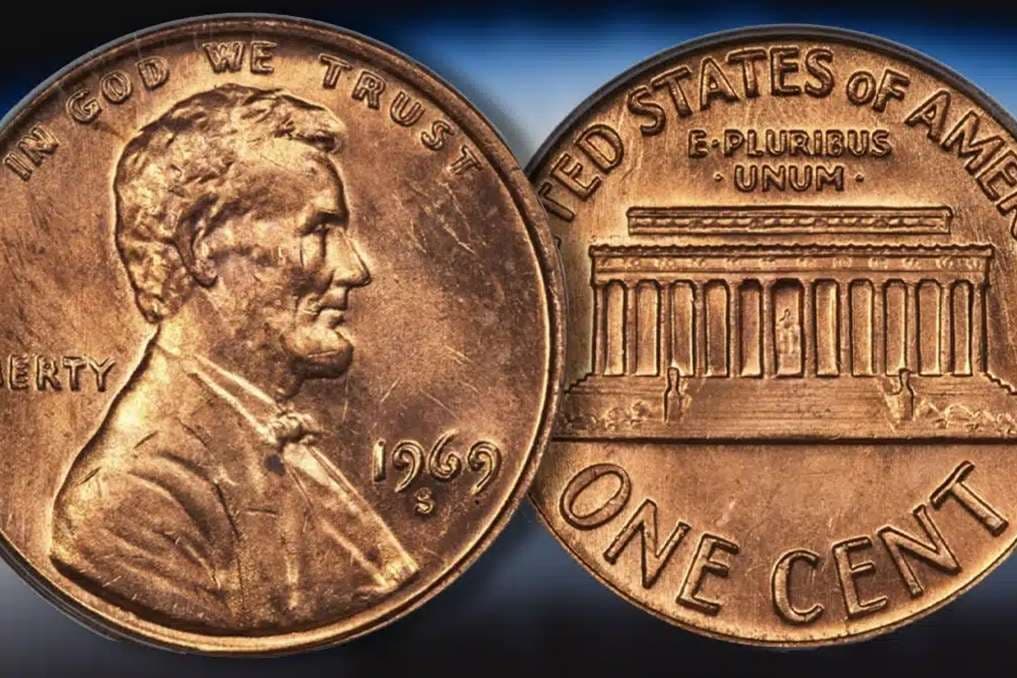
The American penny died Nov. 19 after a long and beautiful life of 232 years, and I don’t know what to think about it.
On strictly economic grounds, the penny’s existence has been unjustifiable for decades. I’m no economist, but it seems the purpose of currency has something to do with facilitating the exchange of goods and services. According to the CPI inflation calculator, when the American penny was first minted in 1793, it was worth the equivalent of 33 cents in today’s dollars. When was the last time you bought something for a penny?
The main reason for the penny’s demise, however, was the cost of production. In 2024, each penny cost U.S. taxpayers 3.69 cents, according to a table tucked away in a 78-page, dry-as-bones report by the U.S. Mint. (The nickel, which may be next for the chopping block, costs us a whopping 13 cents each time the Mint makes one.)
Critics of the penny have long called on the Mint to cease producing the coin. One such critic is John Green, New York Times-bestselling author of The Fault in Our Stars and prominent YouTuber. Over the years, Green has produced multiple videos like this one on his antipathy toward the penny. Once, when given the chance to pose a question to President Barack Obama in 2013, Green asked the leader of the free world why he had not made any moves to cease production of the penny.
Early in his second term in office, President Donald Trump instructed Secretary of the Treasury Scott Bessent to end the penny’s production.
“For far too long the United States has minted pennies which literally cost us more than 2 cents,” President Trump wrote on a Truth Social post. “This is so wasteful!”
He later added, “Let’s rip the waste out of our great nations [sic] budget, even if it’s a penny at a time.”
Trump’s rationale makes sense, and he’s following an international trend; nations like Canada, Ireland, Netherlands, and Brazil have all ceased producing similar coins in recent years.
I can’t fault the President’s logic on this decision. And yet, I haven’t been able to shake a certain melancholy for the past few days knowing that my 3-year-old may never put a penny in his piggy bank or save up pennies to buy something at the dollar store.
When Green asked then-President Obama why the penny was still around, Obama’s response pointed to the American people’s collective emotional attachment to the coin. I think he was right. Despite understanding all the economic reasons why the coin makes no sense, I hate to see the penny go, and I know I’m not alone.
In his mock obituary for the penny, New York Times columnist Victor Mather provided examples of some of the myriad ways American thought and speech have been formed by the penny.
“In its heyday, the penny had immense cultural impact,” he wrote. “It was the going rate for thoughts. It was a symbol of frugality, saved and/or earned. It could sometimes be pretty and other times arrive from heaven. And how many ideas would never have come to light without a penny dropping?”
We live in a time when much of American life feels unstable. Political polarization is acute, institutions from the family to the university are broken and dysfunctional, and our entire economy may well be on the brink of a complete restructuring because of so-called artificial intelligence technologies. The penny feels like a connection to a simpler time.
Attachment to the penny is more than just nostalgia, though.
Growing up, I was a coin collector. I had three-cent pieces with the face of the Roman goddess Liberty on them, nickels with the image of an American Indian and a buffalo, and dollar coins with the personification of peace emblazoned on them.
Studying these coins gave me a sense of history and connection with tradition. Coins helped me to begin to understand that America is not a mere modern, secular project, but a nation whose roots, as Russell Kirk famously argued, reach to the deepest traditions of Western self-governance and ordered liberty.
The penny helped me understand American history. Seeing Lincoln’s proud visage on a penny reminded me about the war that nearly ripped our nation apart and ultimately ended slavery in this country. Examining “Indian head” pennies encouraged me to recognize the importance of the many native tribes who have called this land home since time immemorial. Wheat pennies gave me the sense that our nation’s success was rooted in a humble agrarianism, not in futuristic, hubristic urbanism.
The pride of my penny collection, though, were three pennies minted in 1943. That year, there was a copper shortage caused by the war effort. As a result, that year the Mint produced pennies made of steel and zinc. These silver coins are rare, and every time I saw one in my collection, I was reminded of the many sacrifices made by millions of Americans that helped defeat the scourge of Nazism.
So even though I support the decision to cease minting pennies, the move can’t help but force me to think about how today’s parents — including myself — can instill a sense of history and tradition in our increasingly rootless, unstable world.





.jpg&w=3840&q=75)

Comments