FBI recorded call between Susie Wiles and attorney, Senate witness says
The FBI under the Biden administration recorded a phone call between White House Chief of Staff Susie Wiles — who was then President Donald Trump’s 2024 presidential campaign manager — and her attorney without the consent of at least one party, a Senate witness testified March 24.

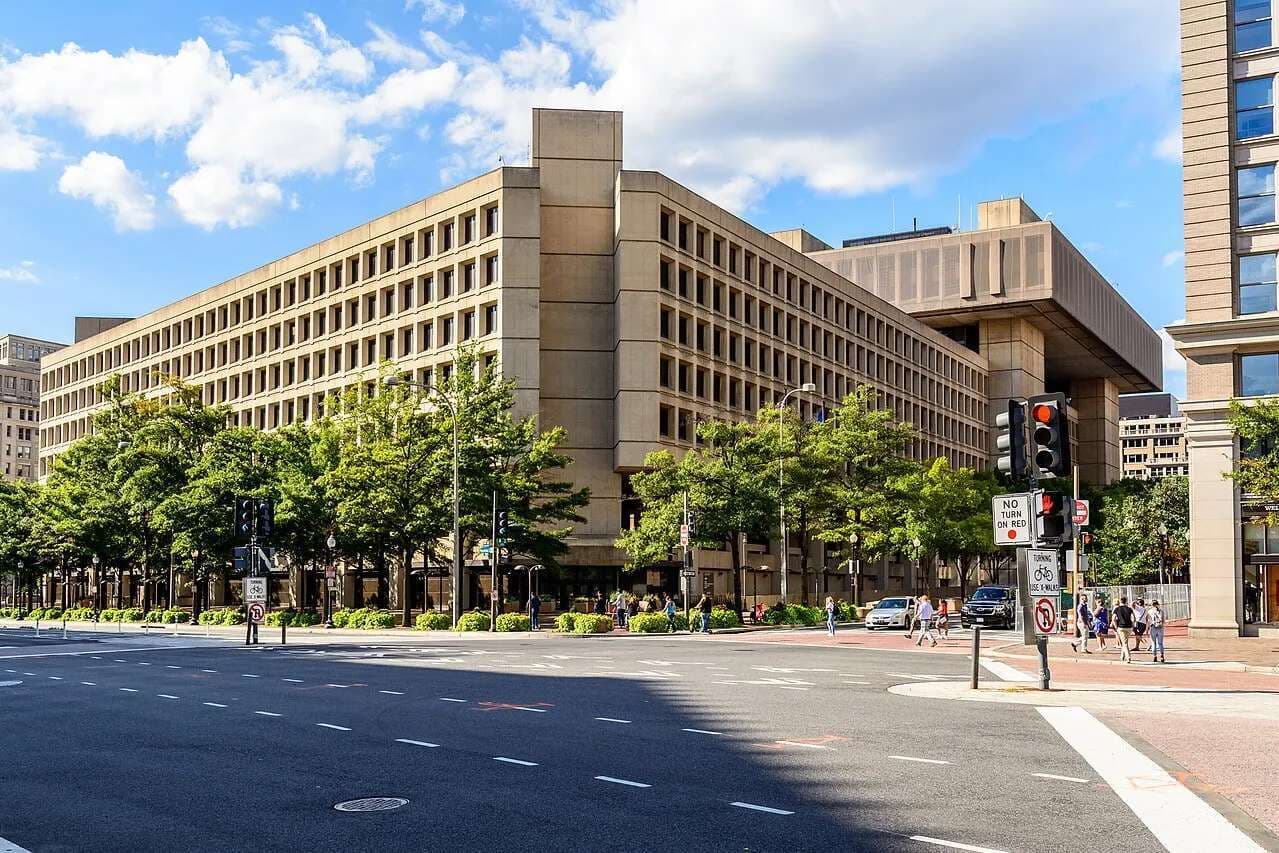
The FBI under the Biden administration recorded a phone call between White House Chief of Staff Susie Wiles — who was then President Donald Trump’s 2024 presidential campaign manager — and her attorney without the consent of at least one party, a Senate witness testified March 24.
The disclosure came during a Senate Judiciary Committee hearing titled “Arctic Frost: A Modern Watergate,” which examined the origins and conduct of the Biden-era special counsel probe led by Jack Smith into challenges to the 2020 election. Republican lawmakers have said that Smith’s probe later formed the basis for his case against Trump.
In his opening testimony, Will Chamberlain, senior counsel for the Article III Project, referenced a Feb. 26 Reuters report that said the FBI recorded a 2023 call between Wiles and her attorney — both of whom were private citizens at the time. Chamberlain argued that the FBI’s action “was a remarkable breach of attorney–client privilege.”
Chamberlain said Reuters, citing two FBI sources, “claimed that Wiles’ attorney had been aware of the surveillance on the phone call.” But the following day, Wiles’ lawyer “denied having consented to any such recording,” according to Chamberlain, who said he believes the attorney’s denial is credible.
“What lawyer in their right mind would secretly consent to law enforcement recording a privileged phone call with their client?” Chamberlain said, later speculating that the two FBI sources may have been lying or relying on false records created by FBI agents working with Smith.
Questioning Chamberlain during the hearing, Sen. Mike Lee, R-Utah, argued that if Wiles’ attorney did not consent to the recording, the FBI’s actions could constitute an illegal wiretap.
“Isn’t listening to a private conversation between a presidential campaign manager and her lawyer in many ways much more serious as an abuse of government power than an attempted wiretap of the DNC headquarters in Watergate?” Lee asked Chamberlain.
Chamberlain agreed, saying such surveillance invades two interests: “First, it's just the wiretap generally. But then it’s doubly invasive, because it’s supposed to be a privileged conversation.”
Lee later added that the situation takes on “additional degrees of seriousness” because of Wiles’ role in managing Trump’s presidential campaign.
Chamberlain also testified that the FBI labeled the recording a “prohibited file,” restricting internal access and potentially evading oversight. He said in his opening statement that the “prohibited access” designation can make records effectively invisible in standard internal searches.
The hearing is the latest in a series of Republican-led examinations of the “Arctic Frost” investigation, which Republicans say improperly collected phone records from Trump associates and several GOP lawmakers when they were private citizens.
The testimony comes as Congress faces an April 20 deadline to reauthorize Section 702 of the Foreign Intelligence Surveillance Act (FISA) — a surveillance authority passed in 2008 that allows warrantless surveillance of foreign nationals outside the U.S. Critics have long argued that the program enables backdoor searches of Americans’ communications.
House Republican leadership, with backing from the Trump administration, is pushing for a temporary 18-month extension of the authority without additional reforms, The Hill reported. They argue the provision is a critical counterterrorism tool. But a bipartisan group of lawmakers concerned about privacy has opposed a “clean” extension, arguing that recent allegations underscore the need for stronger safeguards.
In a March 25 Truth Social post, Trump called for an extension of FISA, calling it “an effective tool to keep Americans safe” when “used properly.” He said his administration has been working to ensure reforms “are being aggressively executed at every level of the Executive Branch to keep Americans safe, while protecting their sacred Civil Liberties.”
“With the ongoing successful Military activities against the Terrorist Iranian Regime,” Trump added, “it is more important than ever that we remain vigilant, PROTECT our Homeland, Troops, and Diplomats stationed abroad, and maintain our ability to quickly stop bad actors seeking to cause harm to our People and our Country. The fact is, whether you like FISA or not, it is extremely important to our Military.”
Some lawmakers have advocated for changes to the policy. On March 6, Rep. Andy Biggs, R-Ariz., introduced legislation that would reauthorize Section 702 while requiring warrants for searches involving Americans’ communications and limiting the government’s ability to purchase personal data from brokers. Supporters of Biggs’ measure say it would address the kinds of warrantless surveillance loopholes cited in the “Arctic Frost” investigation.



Comments