In surprising turn, Bill Gates pens essay calling world leaders to reconsider 'climate change' strategies
In an unexpected shift from prevailing climate-activist rhetoric, Bill Gates is urging world leaders to rethink their approach to climate spending, warning that an excessive focus on cutting emissions risks diverting resources from more pressing human needs like health, agriculture, and poverty relief.

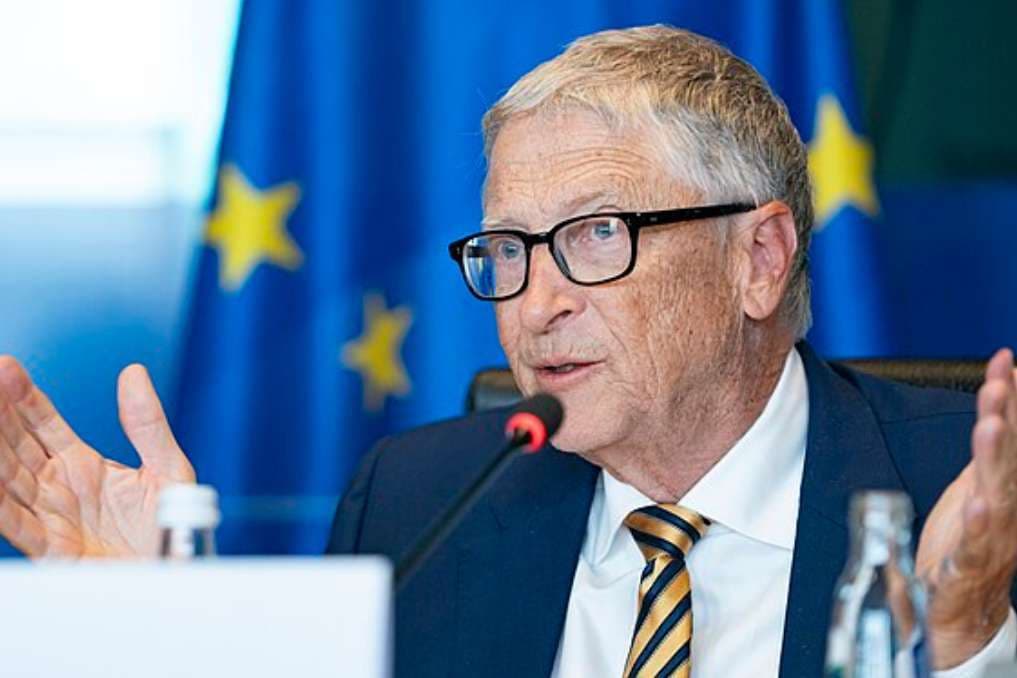
In an unexpected shift from prevailing climate-activist rhetoric, Bill Gates is urging world leaders to rethink their approach to climate spending, warning that an excessive focus on cutting emissions risks diverting resources from more pressing human needs like health, agriculture, and poverty relief.
In an essay published Oct. 28 — ahead of next month’s United Nations climate change conference in Brazil — the Microsoft co-founder said it’s time to put “human welfare at the center of our climate strategies.”
While calling climate change “a serious problem,” Gates rejected what he described as the “doomsday view” that rising global temperatures will destroy civilization.
“Although climate change will have serious consequences — particularly for people in the poorest countries — it will not lead to humanity’s demise,” Gates wrote. “People will be able to live and thrive in most places on Earth for the foreseeable future. Emissions projections have gone down, and with the right policies and investments, innovation will allow us to drive emissions down much further.”
Gates argued that the global climate movement has become too narrowly focused on short-term emissions targets, draining funds from initiatives that could more directly improve human life in a “warming world.” Instead, he called for policies that lower the cost of clean energy and help vulnerable populations adapt and escape poverty.
“Our chief goal should be to prevent suffering, particularly for those in the toughest conditions who live in the world’s poorest countries,” he said, adding that the “biggest problems” for humanity are “poverty and disease, just as they always have been.”
Through his Breakthrough Energy initiative, Gates has invested billions in clean-energy ventures. He said genuine progress has been made toward zero-carbon goals but argued that too much money still goes to “less-effective” projects.
“We need to keep backing the breakthroughs that will help the world reach zero emissions,” he wrote. “But we can’t cut funding for health and development — programs that help people stay resilient in the face of climate change — to do it.”
For the upcoming United Nations climate change summit, Gates said leaders should focus on two priorities: driving the “Green Premium” to zero — making “clean products” as affordable as their traditional counterparts — and being “rigorous about measuring impact” to ensure climate spending delivers measurable results.



Comments