Rubio says New START expiration ends outdated arms treaty, calls for deal including Russia and China
Secretary of State Marco Rubio said the Feb. 5 expiration of the New Strategic Arms Reduction Treaty (START) marked the end of an outdated U.S.-Russia arms control framework and called for a new approach that accounts for the growing nuclear capabilities of both Russia and China.

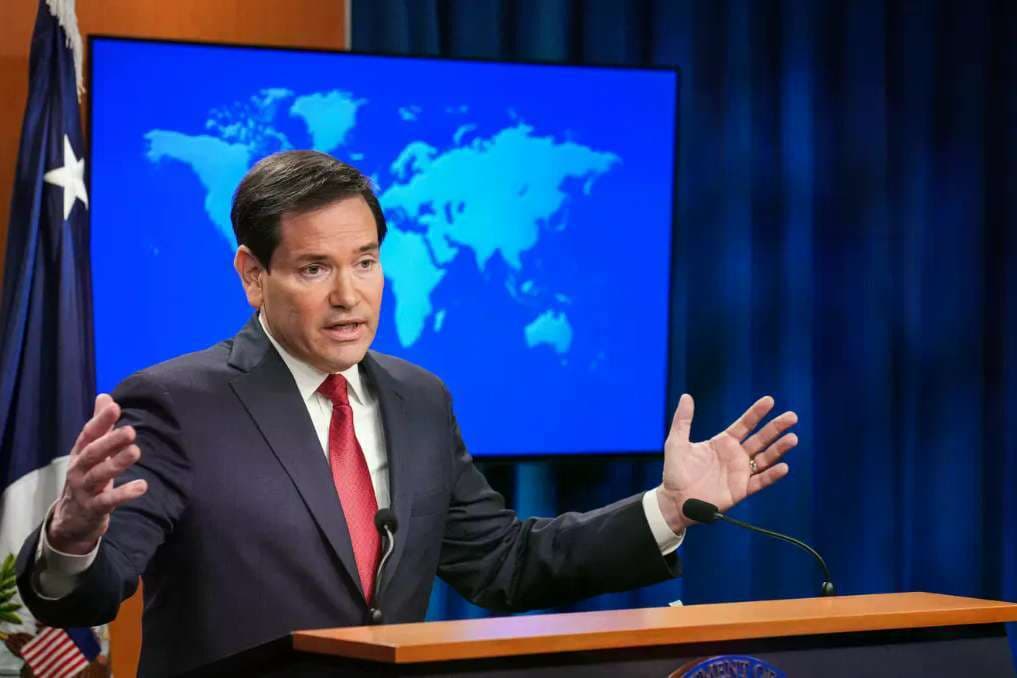
Secretary of State Marco Rubio said the Feb. 5 expiration of the New Strategic Arms Reduction Treaty (START) marked the end of an outdated U.S.-Russia arms control framework and called for a new approach that accounts for the growing nuclear capabilities of both Russia and China.
New START, signed in 2010 by the U.S. and Russia, capped deployed nuclear warheads to 1,550 on each side and required on-site inspections and data exchanges to ensure compliance. The treaty was extended for five years in 2021.
In a State Department Substack post, Rubio said the Trump administration presented its call for “multilateral nuclear arms control and strategic stability talks” on Feb. 6 in Geneva, Switzerland. He outlined three principles guiding the U.S. approach: arms control must move beyond a bilateral U.S.-Russia framework to include China, agreements must not ignore noncompliance or harm U.S. interests, and negotiations will “always” proceed from “a position of strength.”
New START’s expiration has prompted warnings from arms control advocates, who argue the lapse could increase the risk of a renewed nuclear arms race. In the Feb. 6 Substack post, Rubio dismissed those concerns, arguing that the criticism ignores Russia’s 2023 decision to stop implementing New START after years of noncompliance.
“A treaty requires at least two parties, and the choice before the United States was to bind itself unilaterally or to recognize that a new era requires a new approach,” Rubio wrote. “Not the same old START, but something new.”
The secretary also argued that China must be included in any future agreement because of the rapid expansion of its nuclear arsenal. According to Rubio, China’s nuclear stockpile has grown from the low 200s in 2020 to more than 600 today and is on track to exceed 1,000 warheads by 2030.
“An arms control arrangement that does not account for China’s build-up, which Russia is supporting,” he said, “will undoubtedly leave the United States and our allies less safe.”
Rubio acknowledged that negotiating a new agreement will take time but described the Geneva talks as a first step toward a more realistic effort to reduce global nuclear threats.
“Russia and China should not expect the United States to stand still while they shirk their obligations and expand their nuclear forces,” he wrote. “We will maintain a robust, credible, and modernized nuclear deterrent. But we will do so while pursuing all avenues to fulfill the President’s genuine desire for a world with fewer of these awful weapons.”
Rubio’s comments came after the State Department accused China of conducting secret nuclear tests. Thomas DiNanno, the under secretary of state for arms control and international security, said in a Feb. 6 X post that China “has conducted nuclear explosive tests, including preparing for tests with designated yields in the hundreds of tons.”
On Feb. 5, President Donald Trump also called for a “new, improved, and modernized Treaty that can last long into the future” in a Truth Social post. He described New Start as a “badly negotiated deal by the United States that, aside from everything, is being grossly violated.”
>> USCCB president calls for diplomacy before nuclear weapons treaty expires <<


Comments