Saint of the day, April 27
Zita is one of the most practically useful saints in the entire calendar because she proves holiness is not reserved for “important” lives. She had no public platform. She had no institutional authority. She lived and died as a servant in one household for decades. Her sanctity was built out of work, prayer, discipline, and patience with people who did not always treat her well.

April 27: Saint Zita of Lucca
Born: c. 1218, near Lucca, Italy
Died: April 27, 1272, Lucca, Italy
Nationality: Italian
Vocation / State: Laywoman, domestic servant
Attributes: Keys, bread, a jug; sometimes a star above a house
Patronage: Domestic workers; homemakers; those ridiculed for their piety; lost keys
Canonization: 1696 (confirmation of cult), by Pope Innocent XII
Zita is one of the most practically useful saints in the entire calendar because she proves holiness is not reserved for “important” lives. She had no public platform. She had no institutional authority. She lived and died as a servant in one household for decades. Her sanctity was built out of work, prayer, discipline, and patience with people who did not always treat her well.
She entered domestic service around age twelve and served the same family for nearly fifty years. The early period of her service was harsh. She was mocked by other servants, accused of being too pious, and sometimes treated as naïve or inconvenient. The temptation for someone in her position is either to become bitter or to become cunning—survival strategies that harden the heart. Zita chose something else: faithful work, truthful speech, and steady prayer.
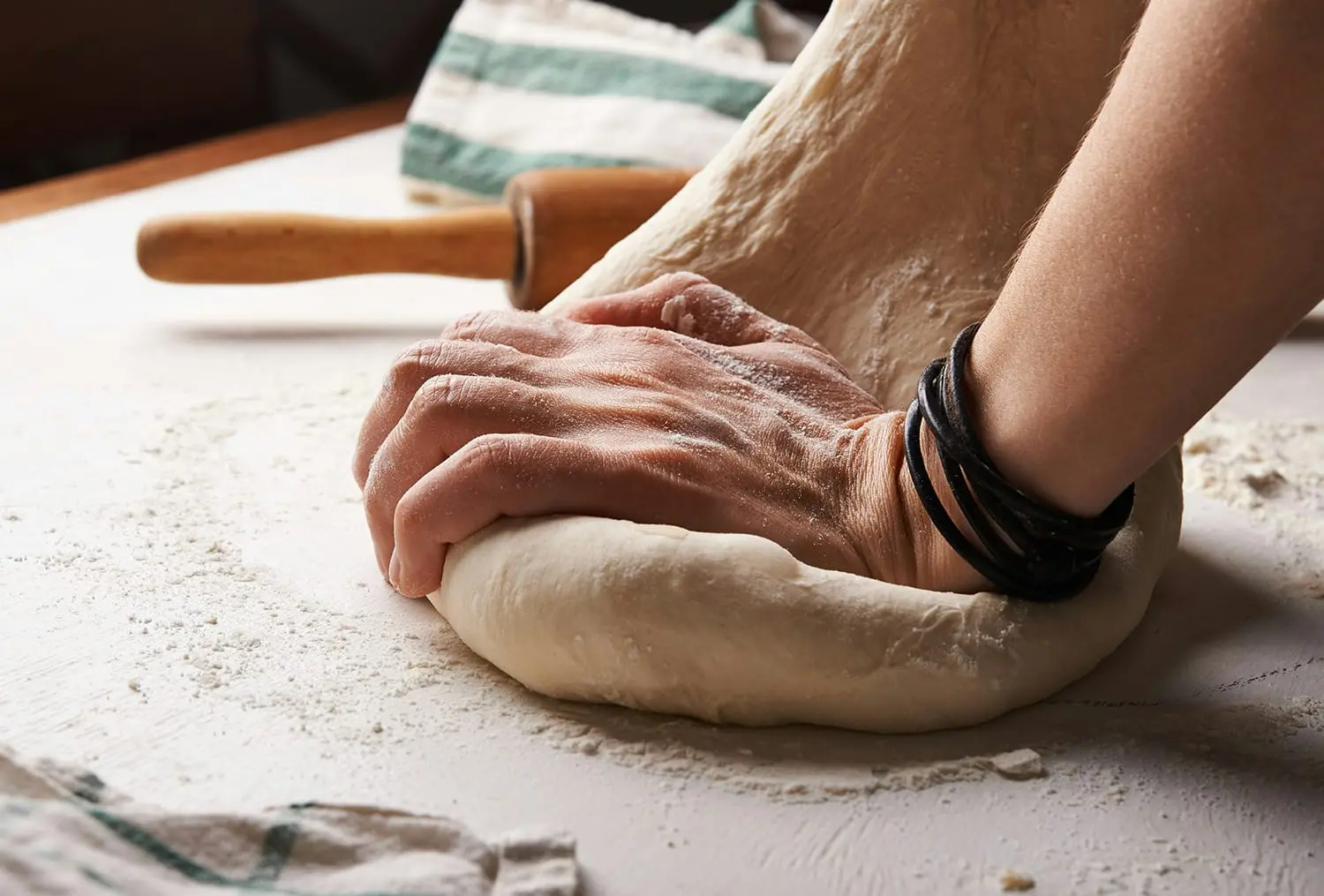
Her piety did not make her lazy. It made her reliable. Over time she became trusted with responsibility in the household. She also became known for generosity to the poor; sometimes giving away what she had little right to give away, and accepting the consequences. Traditions about bread and miracles cluster around her because she represented a kind of poverty the world ignores: the poverty of people whose labor keeps society functioning while they remain socially invisible.
Zita matters today because modern workers -especially those in service roles- are often treated as disposable. Her life says: no, this work can be sanctified; this hiddenness can be holy; and the ordinary can become heroic when it is offered to God.
Saint Zita, pray for us!



Comments