Trump dismisses economic fallout from Iran war as inflation hits 3-year high
President Donald Trump said May 12 that Americans’ financial struggles are not a consideration in his approach to negotiations over the Iran war. He made the remark hours after new inflation data showed consumer prices rising to the highest inflation rate in three years.

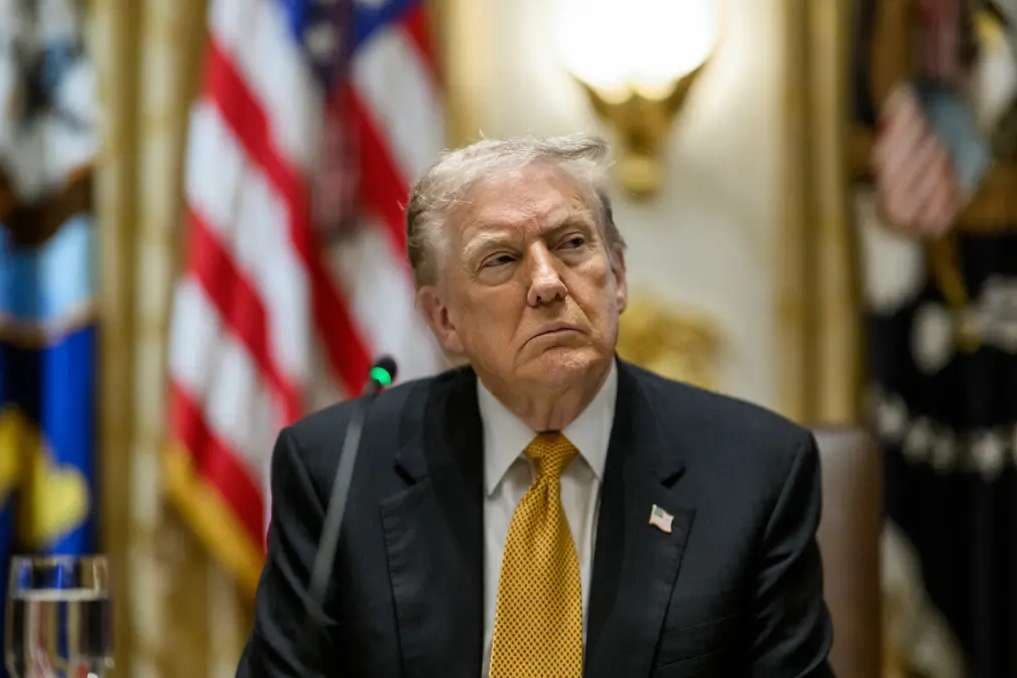
President Donald Trump said May 12 that Americans’ financial struggles are not a consideration in his approach to negotiations over the Iran war. He made the remark hours after new inflation data showed consumer prices rising to the highest inflation rate in three years.
Asked by a reporter at the White House whether Americans’ worsening financial situation was motivating him to pursue a deal with Iran, Trump responded, “Not even a little bit.”
“The only thing that matters when I’m talking about Iran: They can’t have a nuclear weapon,” he continued. “I don't think about Americans’ financial situation. I don’t think about anybody – I think about one thing: We cannot let Iran have a nuclear weapon. That’s all. That’s the only thing that motivates me.”
The remarks landed as Americans faced sharply higher prices tied in part to disruptions caused by the conflict in the Middle East.
The Wall Street Journal, citing the U.S. Labor Department, reported that consumer prices rose 3.8% in April compared with a year earlier, marking the highest inflation rate in three years. The worsening economic conditions are driven largely by rising energy costs linked to the war and disruptions in the Strait of Hormuz, WSJ noted.
Gasoline prices climbed 28% over the past year, while fuel oil prices surged 54%, according to the report. Energy costs accounted for more than 40% of the monthly increase in inflation. Airfare prices rose 21%, coffee prices increased 19%, and fresh vegetable prices climbed 12%. Tomato prices jumped 40% from a year earlier.
The inflation surge has intensified pressure on American households already struggling with high living costs. Inflation-adjusted hourly earnings fell 0.3% in April compared with a year earlier, the first time since 2023 that overall wage growth failed to keep pace with inflation. Consumer sentiment also hit a record low amid rising fuel prices and fears of broader shortages tied to the conflict.
In comments to WSJ, economists warned that higher energy prices could continue rippling through the economy by raising transportation, food, and manufacturing costs. Joseph Brusuelas, chief economist at RSM, told the outlet that “median American families are going to find it very challenging to adjust going into the second half of the year.”
Trump has repeatedly defended his hard-line approach toward Iran, arguing that preventing Tehran from obtaining a nuclear weapon outweighs short-term economic pressures. As Zeale News reported, the President rejected Iran’s latest response to a U.S.-backed ceasefire proposal May 11, warning that the existing ceasefire was now on “life support” and suggesting further military strikes may be forthcoming.
>> Trump says ceasefire ‘on life support’ after rejecting Iranian counterproposal <<
White House officials have argued that inflation tied to the war will prove temporary. Kush Desai, a White House spokesman, said the administration remains “laser-focused on delivering growth and affordability on the home front while working to eliminate the Iranian nuclear threat.”





Comments