What is theology for? Pope Leo reflects in address to theology institute faculty
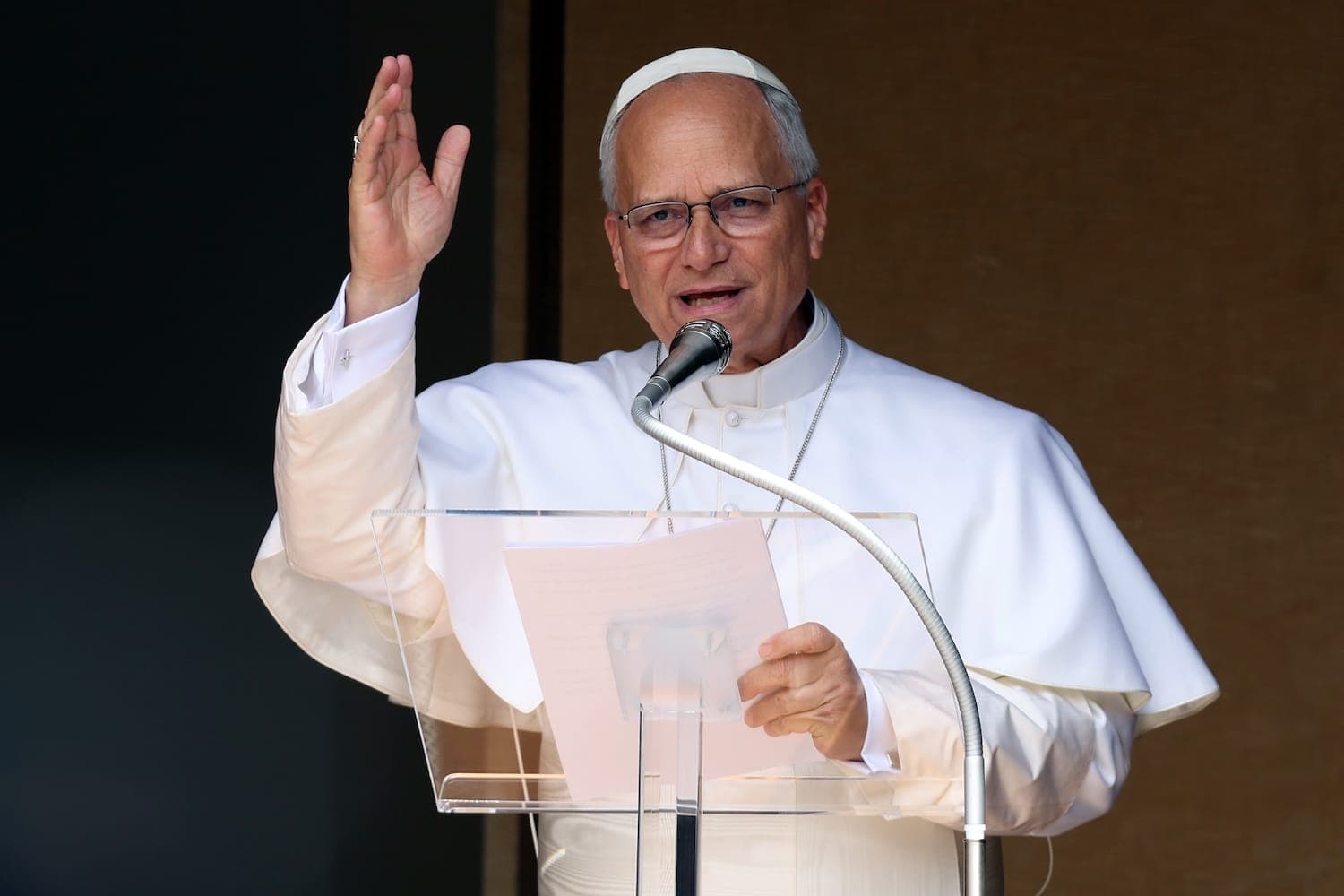
Teaching and studying theology is not just academic exercise, but also an evangelistic endeavor crucial to the Church’s mission, according to a March 3 address Pope Leo XIV made to Italian theologians.

Teaching and studying theology is not just academic exercise, but also an evangelistic endeavor crucial to the Church’s mission, according to a March 3 address Pope Leo XIV made to Italian theologians.
He likened doing theology to undertaking an ocean voyage. In 2017, as the Pontiff referenced, Pope Francis gave an address to writers in which he told them: “Stay in the open sea. The Catholic must not be afraid of the open sea, must not seek the shelter of safe harbors.” This attitude is especially needed in the present day, particularly in places where the faith must be announced, Pope Leo said.
“It is not a question of acquiring knowledge to fulfil academic obligations, but of embarking on a courageous voyage, a crossing of the high seas,” he continued.
He said it is a two-way journey: one is descending “into the depths, probing the abyss of the mystery of God and the different dimensions of the Christian faith,” and the other is setting sail “to explore other horizons and thus find new forms and new languages in which to proclaim the Gospel in different situations throughout history.”
Pope Leo then spoke about for whom and for what, theology is, noting that it is not a field exclusive to a few experts.
“Theology serves to proclaim the Gospel, hence it is an integral and fundamental part of the Church’s mission,” he argued. “Theological formation is not destined for a few specialists, but is a call addressed to everyone, so that every person may explore the mystery of faith and receive useful tools to carry out with passion the ‘persevering commitment to a social and cultural meditation on the Gospel.’”
In his address, given during an audience with the Theological Faculty of Apulia and the Theological Institute of Calabria, he commended those present for their efforts to unify previously independent formation programs, noting it builds up communion between dioceses. This helps bring people together to address pastoral and evangelization challenges, according to the Pope.
As such, Pope Leo emphasized the importance of doing theology in community, rather than in solitude.
“Here, then, is my invitation: let us do theology together! Formation that serves the proclamation of the Gospel is only possible together, sailing ‘on the open sea’ but not as solitary navigators,” he said. “And to do so, as we said, by leaving our safe harbour, going beyond our territorial and ecclesial boundaries, in encounter, in mutual listening and dialogue, in the communion between Churches that brings together resources, skills and charisms.”
Doing theology in community widens intellectual, spiritual, and pastoral points to learn about, the Pope said. The faculty will also come to more deeply understand their institutes as places that prepare future priests and pastoral workers to work together and learn how various ministries and charisms complement each other.
He encouraged those present to continue in their calling enthusiastically and to resist temptations to abandon the efforts.
“I invite you,” he said, “to dream of an academic community in which the candidates to ordained ministry, consecrated men and women, and laypeople are formed together and help Christian communities to become a sign of the Gospel and workshops of hope.
“Thank you, dear friends, for your commitment, for your generous service, for the patience and industriousness with which you are constructing this mosaic of unity and communion: this helps us to live in the world amid fidelity and creativity, tradition and newness, unity and diversity, always listening to what, even today, the Spirit of the Lord wants to say to the Churches and to the Church.”



Comments