White House journalist analyzes MAHA and 2026 midterms
Philip Wegmann, the White House correspondent for RealClearPolitics, penned an Oct. 24 report analyzing the complexities of the MAHA movement and its potential impact on the 2026 midterm elections.

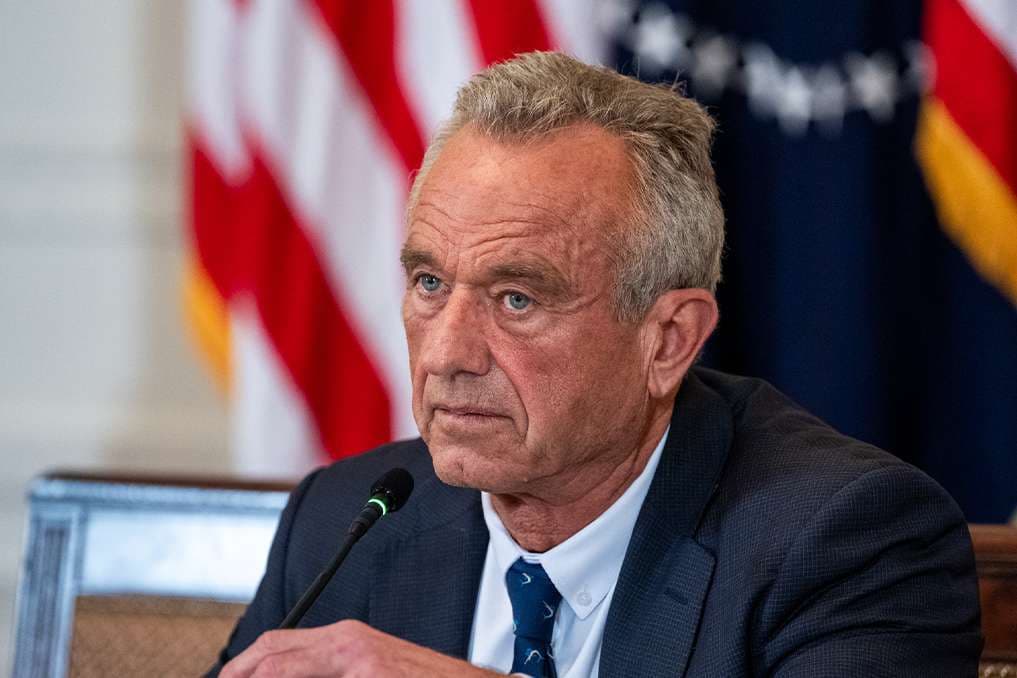
Philip Wegmann, the White House correspondent for RealClearPolitics, penned an Oct. 24 report analyzing the complexities of the MAHA movement and its potential impact on the 2026 midterm elections.
People have embraced the MAHA movement for various reasons. Because members of the coalition are not concerned about one issue but many, the GOP has yet to fully “figure out” the movement, according to Wegmann.
“The sentiment is simple enough. The movement is new as a political force and hardly a monolith," he wrote. “It is a patchwork of factions worried about everything from food safety to the pharmaceutical industry.” For example, he wrote, one group is particularly worried about pesticides and another is focused solely on the alleged link between autism and vaccines.
Overall, however, the movement identifies problems that “have been undeniable for some time,” Wegmann wrote, noting HHS Secretary Kennedy has spoken plainly about his concerns for “the sickest generation in American history.”
According to Wegmann, some election analyses signal “that MAHA will be potent in the midterms,” and both Democratic and GOP candidates are strategizing to connect with this base.
“Democrats are already looking forward to the midterms and probing for fractures in the MAHA-MAGA alliance,” Wegmann wrote. “Many of those voters, after all, once called the Democratic Party home.”
According to Wegmann, Republicans have enjoyed political successes by campaigning against a health care system they oppose, namely Obamacare. MAHA advocate Ryan Munce, who is the president of the political polling firm co/efficient, is now advising candidates “top to bottom” to take a new route with spearheading MAHA — presenting solutions to a health crisis, not simply to a health care crisis.
If candidates’ messaging only sparks conversation about health care premiums, and not also about long-term solutions to the country’s health crisis, the “bigger picture” will be obscured, Munce told Real Clear Polling (RCP).
“In a word,” Wegmann wrote, “Munce and other MAHA political operatives told RCP they are stressing something holistic.”
Wegmann noted that President Donald Trump previously spoke about cracking down on pesticides — a major concern for many in the MAHA movement — but his administration has yet to do so.
Anti-pesticide activist Kelly Ryerson was among more than 200 MAHA activists who wrote a letter to Trump stressing that the crackdown is urgent, according to Wegmann.
“Mr. President, creating broad liability protections for pesticides is a losing issue for your party and your coalition,” they wrote, according to Wegmann, “and may well cost you the House majority in the midterms.”
Ryerson also told Wegmann that some people in the MAHA movement are already discussing supporting primary candidates “to challenge Republicans who are just not coming along.”
Conversely, Tony Lyons, the leader of MAHA Political Action Committee, which Wegmann explained is a super PAC that former RFK Jr. campaign staffers founded, is unsupportive of such a plan to primary GOP incumbents.
Lyons told Wegmann that MAHA’s political message is its desire “to educate people and we want them to see the enormous potential for winning in the midterms based on this issue.”
Though Kennedy’s approach to the role as secretary has garnered some criticism, White House spokesman Kush Desai told RCP that Trump is fully confident in him and that the administration is committed to building on the MAHA movement.
“Ahead of the midterms,” Wegmann concluded, “if some get their way, this means adopting the MAHA message as the GOP answer on health care.”
Comments