10 classic novels every boy should read before he turns 18
Modern culture constantly denigrates boys and men, and it’s especially clear in the literature and media we feed to boys: The male characters are either weak and ineffectual, or use their power and strength for destructive violence.

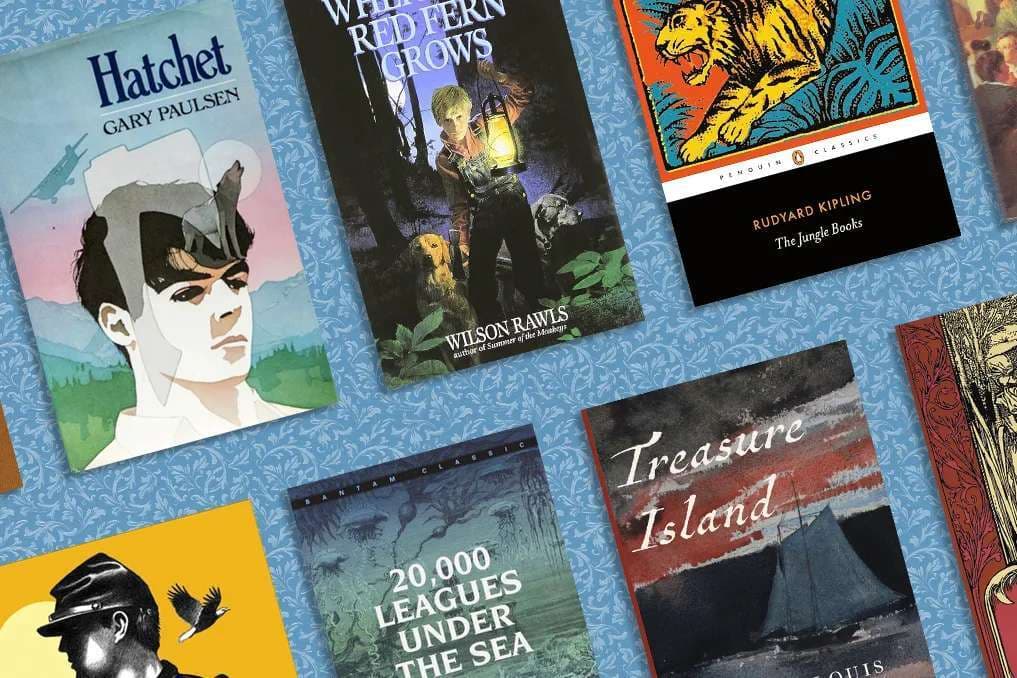
Modern culture constantly denigrates boys and men, and it’s especially clear in the literature and media we feed to boys: The male characters are either weak and ineffectual, or use their power and strength for destructive violence.
It is true that boys need to be taught how to use their natural strength for good, and one of the traditional ways societies have taught young men is through stories. Rather than simply instructing boys to be virtuous, they show the beauty of heroism and inspire them to emulate the sacrifices heroes make. We rounded up 10 novels that teach boys about courage, perseverance, sacrifice, and friendship — all iconic stories that have stood the test of time.

1. The Jungle Book — Rudyard Kipling
Ages: 7–9
Mowgli’s upbringing among wolves and his encounters with the law of the jungle form a gripping adventure. It teaches courage, loyalty, and the importance of belonging within a moral order.
Further reading: Kipling’s Just So Stories offers similarly imaginative tales that introduce boys to wonder and storytelling craft.
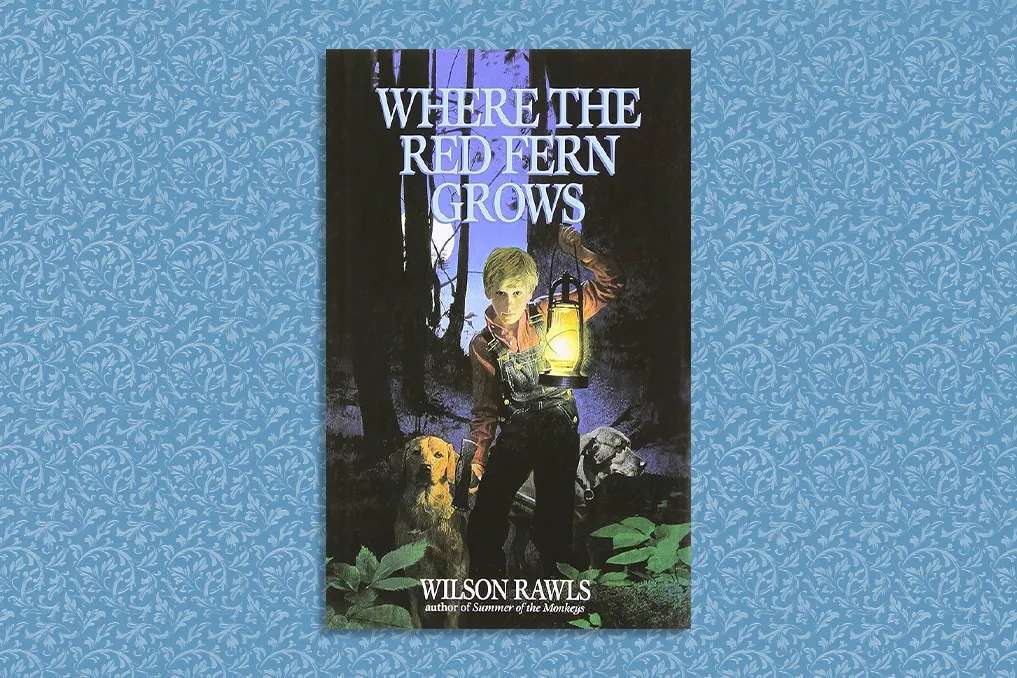
2. Where the Red Fern Grows — Wilson Rawls
Ages: 8–10
A boy and his two hunting dogs form a bond through hardship and perseverance in the Ozarks. It introduces boys to sacrifice, discipline, and the deep emotional weight of love and loss.
Further reading: For a similar coming-of-age story rooted in nature, consider Old Yeller by Fred Gipson.

3. Hatchet — Gary Paulsen
Ages: 9–11
After a plane crash, 13-year-old Brian must survive alone in the Canadian wilderness with only a hatchet. The novel shows resilience, self-reliance, and the discipline required to endure suffering.
Further reading: Paulsen’s Brian’s Winter and The River continue Brian’s story; for a similar survival narrative rooted in solitude and self-discovery, consider My Side of the Mountain by Jean Craighead George.
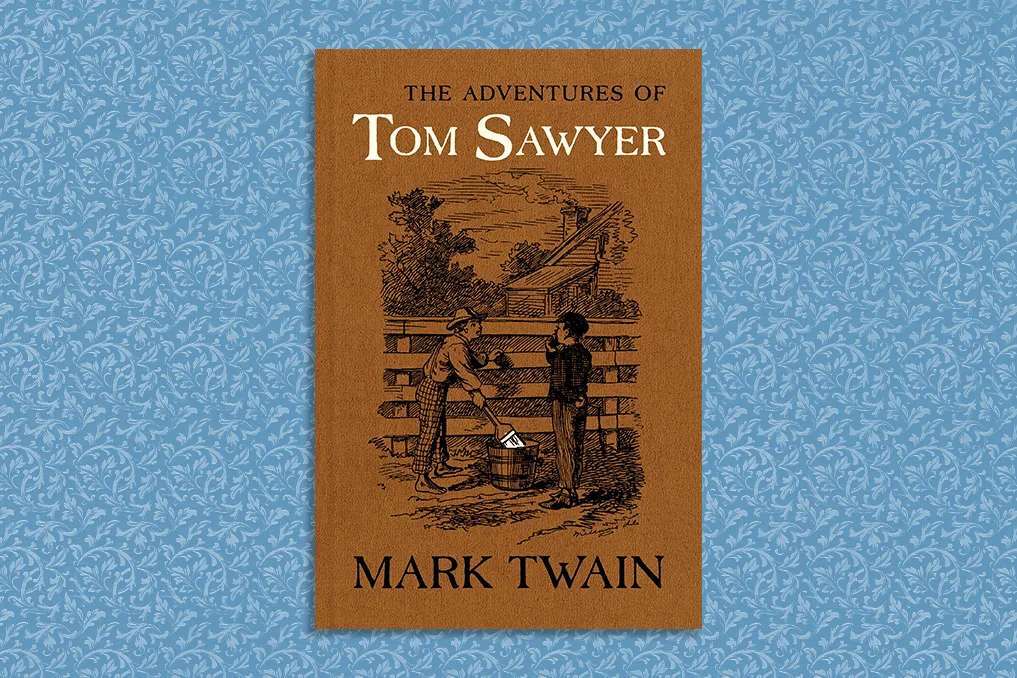
4. The Adventures of Tom Sawyer — Mark Twain
Ages: 9–11
Tom’s mischievous adventures along the Mississippi capture boyhood in its most vivid form. Beneath the humor, it explores conscience, responsibility, and the transition from carefree youth to moral awareness.
Further reading: Adventures of Huckleberry Finn by Twain carries these themes further into deeper moral territory.
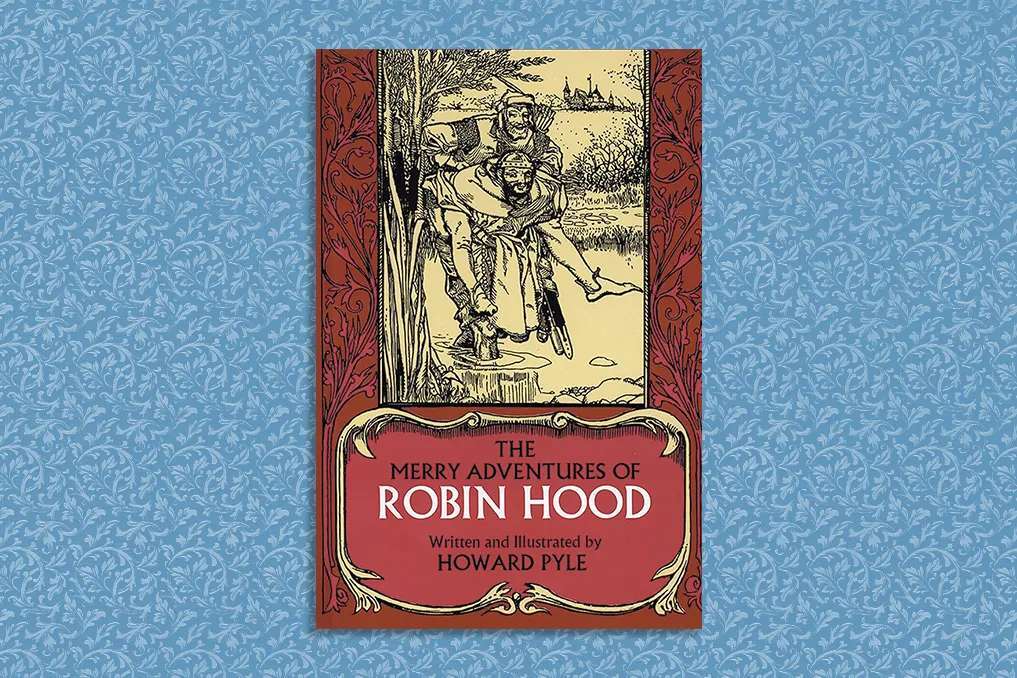
5. Robin Hood — Howard Pyle
Ages: 9–11
The legendary outlaw and his band of Merry Men fight injustice in Sherwood Forest. Boys encounter themes of honor, chivalry, and rightful resistance to corruption.
Further reading: Pyle’s Men of Iron offers another introduction to chivalric ideals, while The Story of King Arthur and His Knights deepens a boy’s encounter with honor, kingship, and the ideals of Christian knighthood.
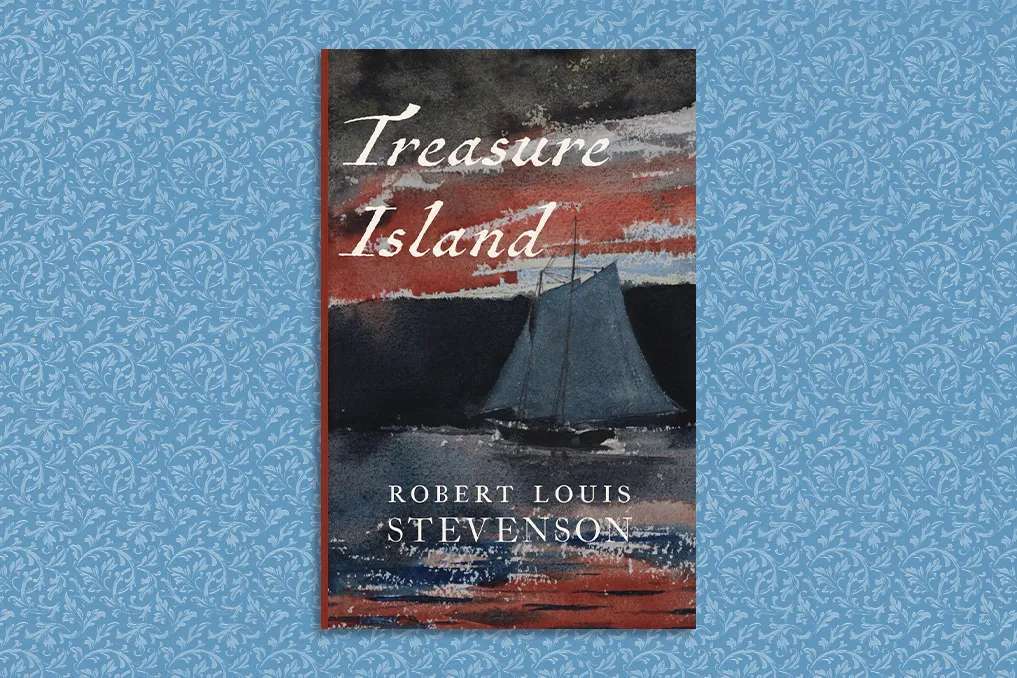
6. Treasure Island — Robert Louis Stevenson
Ages: 10–12
Jim Hawkins sets sail in search of buried treasure, encountering pirates and moral dilemmas along the way. It sharpens a boy’s sense of courage, prudence, and the complexity of human character.
Further reading: Stevenson’s Kidnapped provides a more mature adventure centered on loyalty and political intrigue.
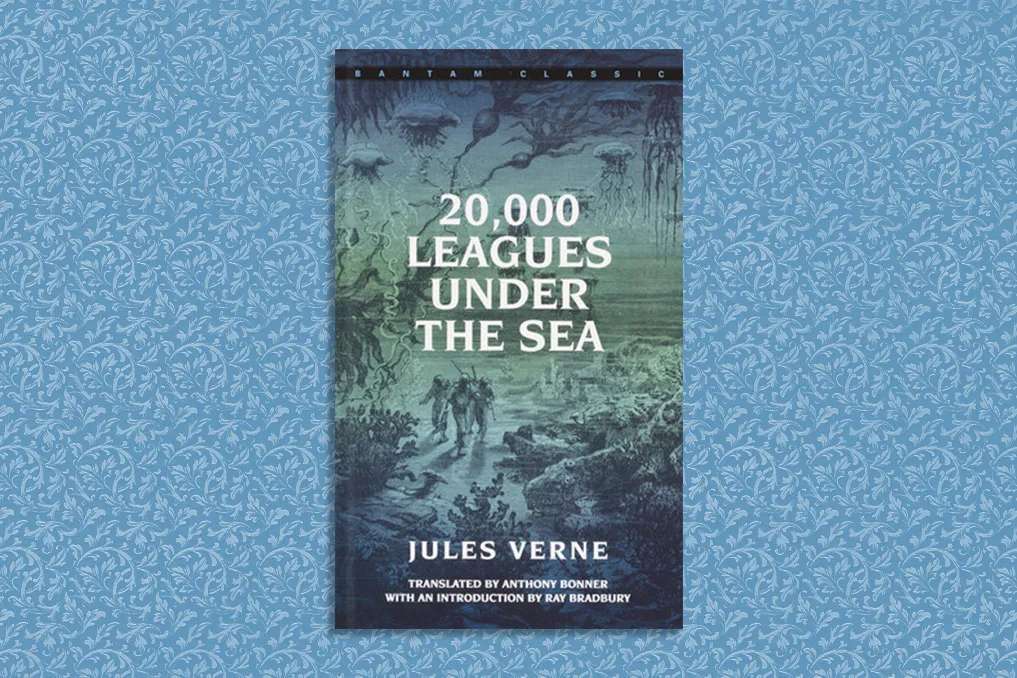
7. 20,000 Leagues Under the Sea — Jules Verne
Ages: 11–13
Captain Nemo’s submarine voyage explores both the wonders of the deep and the depths of human isolation. Boys are drawn into scientific imagination while grappling with questions of justice, revenge, and solitude.
Further reading: Verne’s Journey to the Center of the Earth continues this blend of science, adventure, and discovery.
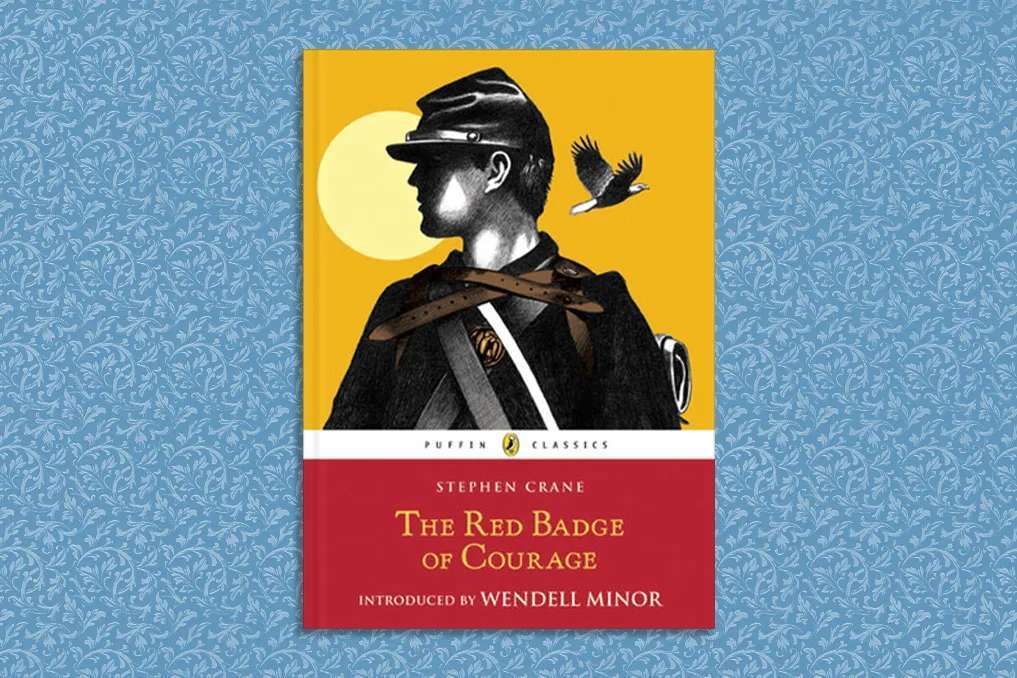
8. The Red Badge of Courage — Stephen Crane
Ages: 13–15
A young soldier confronts fear, shame, and bravery during the Civil War. It offers an unromantic portrayal of courage, helping boys understand what true manhood requires under pressure.
Further reading: Crane’s The Open Boat provides another powerful meditation on endurance and human limitation.
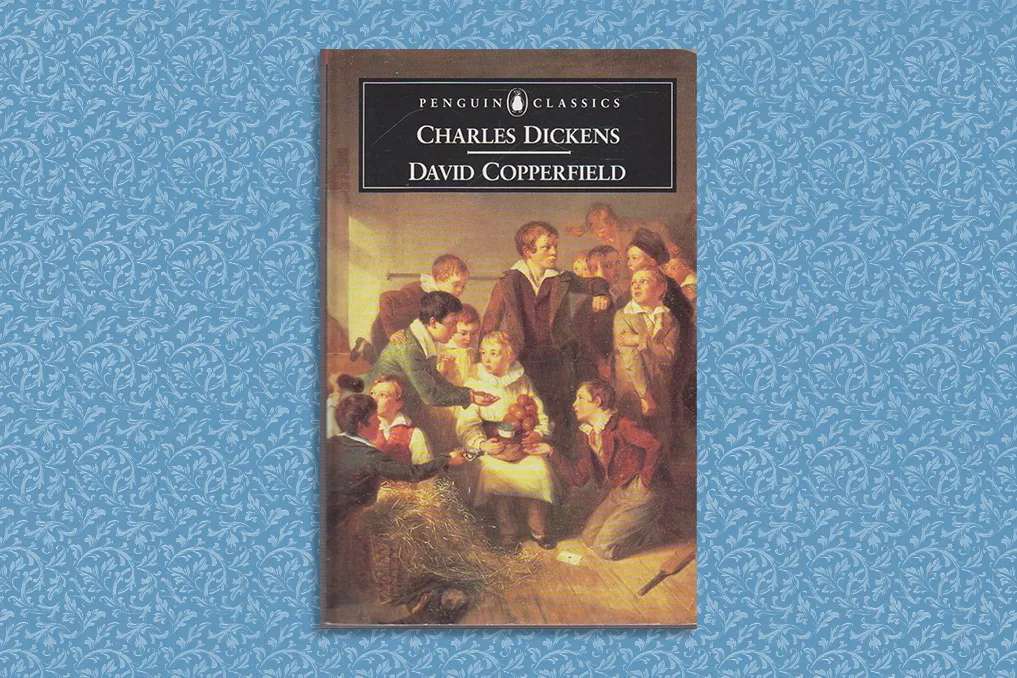
9. David Copperfield — Charles Dickens
Ages: 13–16
David’s journey from childhood hardship to maturity unfolds across a richly detailed world. Boys encounter perseverance, moral growth, and the shaping of character through suffering and responsibility.
Further reading: Dickens’ Great Expectations explores similar themes of ambition, humility, and personal transformation.
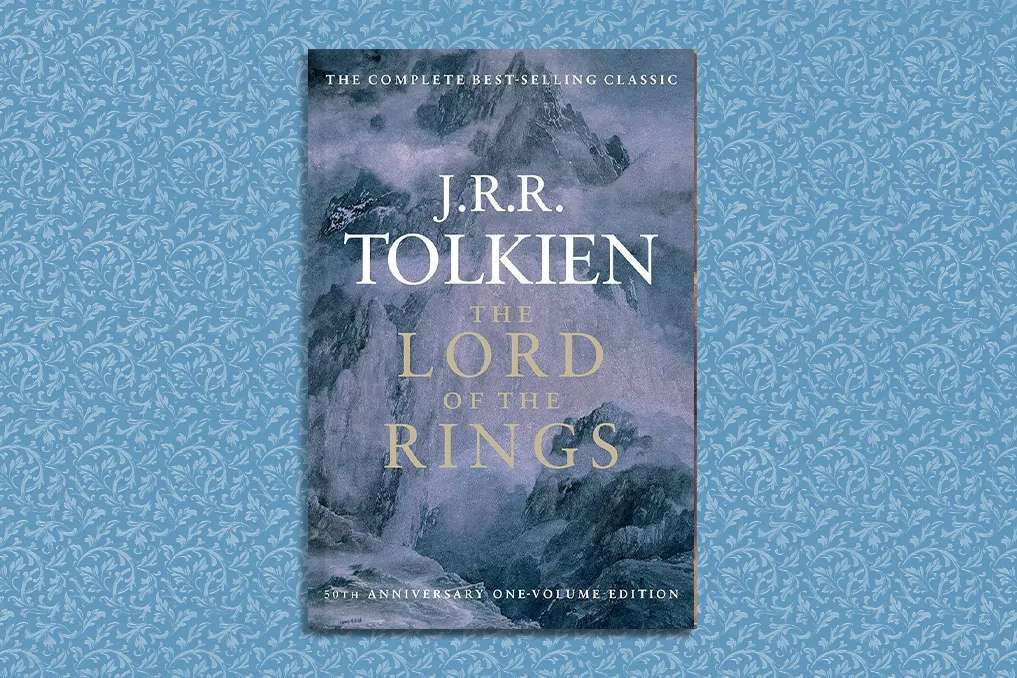
10. The Lord of the Rings — J. R. R. Tolkien
Ages: 14+
Frodo’s quest to destroy the One Ring becomes a profound meditation on sacrifice, friendship, and the battle between good and evil. It calls boys to a vision of heroism rooted not in strength alone, but in humility and endurance.
Further reading: Tolkien’s The Hobbit serves as an excellent entry point and companion to the deeper themes of The Lord of the Rings.
What would you add to this list?







.jpg&w=3840&q=75)



Comments