5 things to know about ‘Magnifica Humanitas’
Pope Leo XIV’s first encyclical, Magnifica Humanitas (“Magnificent Humanity”), is already being described as “the AI encyclical.” That is not wrong — but it is incomplete. The document is really about the human person at a moment when technology, culture, politics, economics, and power are changing at breathtaking speed.
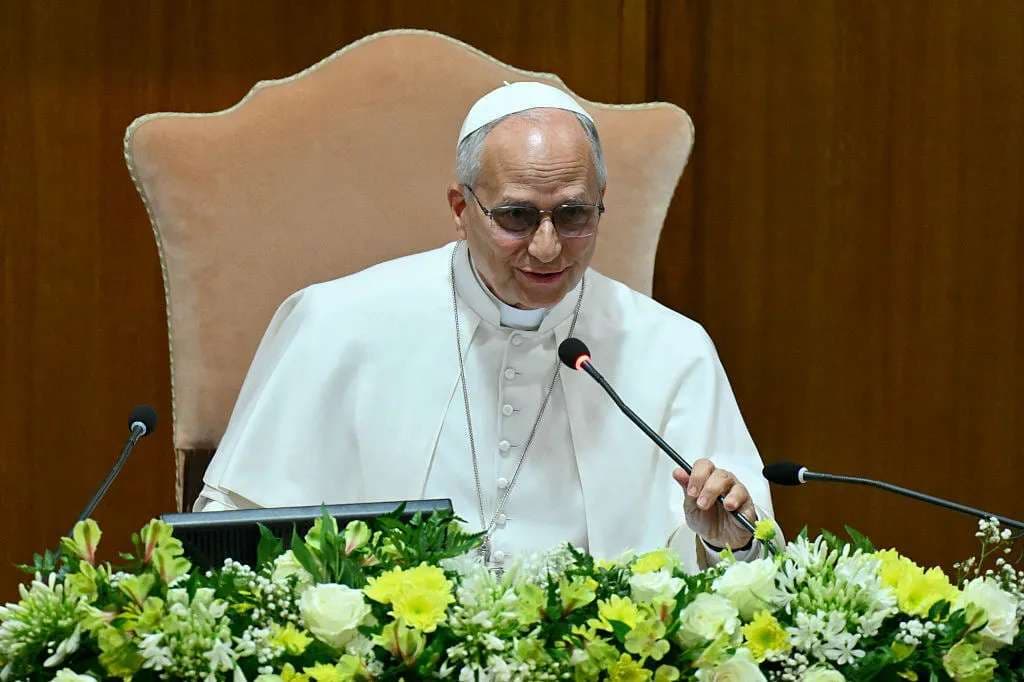
Pope Leo XIV’s first encyclical, Magnifica Humanitas (“Magnificent Humanity”), is already being described as “the AI encyclical.” That is not wrong — but it is incomplete. The document is really about the human person at a moment when technology, culture, politics, economics, and power are changing at breathtaking speed.
Here are five things you need to know.
1. It is an 85-page encyclical on safeguarding the human person
The full title is Magnifica Humanitas: On Safeguarding the Human Person in the Time of Artificial Intelligence. The document is 85 pages and is divided into an introduction, five chapters, and a conclusion.
The five chapters are:
Chapter One: “A Dynamic Approach Faithful to the Gospel”
Chapter Two: “Foundations and Principles of the Social Doctrine of the Church”
Chapter Three: “Technology and Dominance. The Grandeur of Humanity in Light of the Promises of AI”
Chapter Four: “Safeguarding Humanity at a Time of Transformation. Truth, Work, Freedom”
Chapter Five: “The Culture of Power and the Civilization of Love”
2. It is not only about artificial intelligence
Artificial intelligence is in the subtitle, and the Pope addresses it directly. But Magnifica Humanitas is about the much larger transformation of human life in our time: technology, work, education, truth, communication, political power, economic inequality, war, transhumanism, and the temptation to treat the human person as data, material, or an instrument.
AI is one of the great signs of the age. But the real subject of the encyclical is man — created in the image of God, threatened by false ideas of progress, and called to a higher destiny.
3. Pope Leo XIV deliberately connects it to Rerum novarum
From the introduction, Pope Leo XIV places Magnifica Humanitas in direct continuity with Pope Leo XIII’s Rerum novarum, the 1891 encyclical whose title means “of new things.”
Rerum novarum responded to the upheavals of the Industrial Revolution. Magnifica Humanitas responds to the new “new things” of our own age: artificial intelligence, digital power, the crisis of truth, the transformation of work, and the growing dominance of technological systems over human life.
The message is that, just as the Church had to speak during the industrial age, she must speak now, at the dawn of a dramatic technological revolution.
4. It wants to revive the social doctrine of the Church
One of the strongest elements of the encyclical is its insistence that Catholic social doctrine is not optional, outdated, or merely political. Pope Leo XIV dedicates an entire chapter to its foundations and principles, including human dignity, human rights, the common good, the universal destination of goods, subsidiarity, solidarity, and social justice.
Pope Leo also argues that the Church has a duty to shed the light of faith on the social, cultural, economic, and political transformations shaping humanity. In that context, Catholic social teaching is how the Church defends the human person in history.
5. The encyclical ends in hope
Magnifica Humanitas is serious about the dangers of the present moment. It does not pretend that technology automatically makes us wiser, freer, or more humane.
But the document is ultimately marked by hope. A hope that is not based on confidence in the future as such but on the truth that the human person is made in the image and likeness of God, and God has not abandoned humanity. His plan of love and happiness remains stronger than every threat, including the threats created by human pride and technological power.
But that hope requires a response. Catholics must help build a culture in which technology serves the person, power is ordered to love, and human greatness is measured not by domination but by communion with God and neighbor.



Comments