‘A whole ocean of graces’: The gift of Divine Mercy Sunday
Since 2000, the Catholic Church has celebrated Divine Mercy Sunday on the first Sunday after Easter.

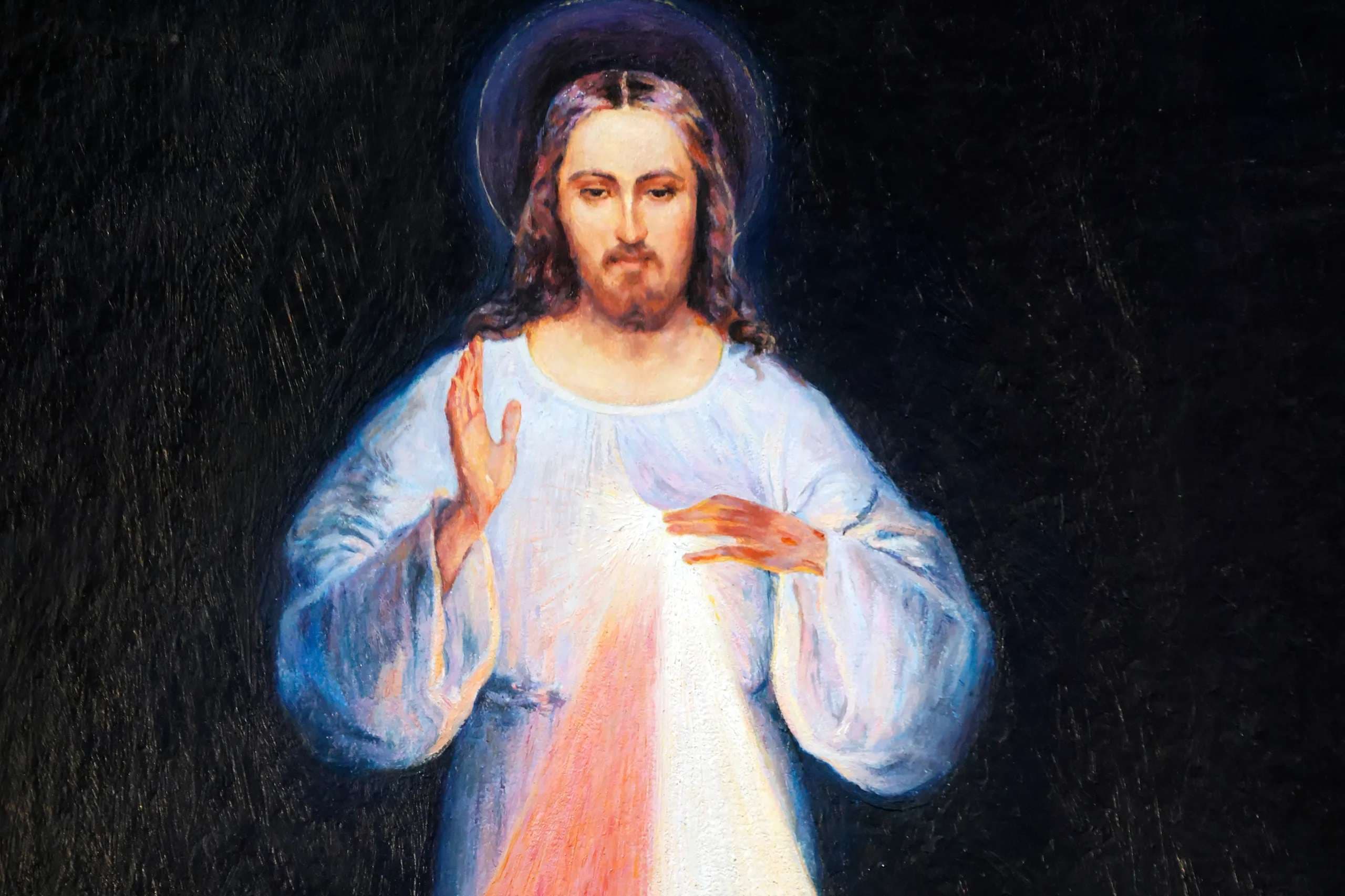
Since 2000, the Catholic Church has celebrated Divine Mercy Sunday on the first Sunday after Easter. A reminder to the faithful that God is constantly calling humanity to reconciliation with Himself, the feast gives the faithful an opportunity to gain a plenary indulgence.
The devotion of Divine Mercy was revealed to a Polish nun, Saint Faustina Kowalska, in the 1920s. Our Lord appeared to her in a series of visions, recorded in her now-published diary titled “Divine Mercy in My Soul.”
The apparitions took place between the two World Wars, which caused unprecedented destruction. Our Lord told St. Faustina that “mankind will not have peace until it turns with trust to my mercy.”
In the apparitions, Jesus told St. Faustina of His request for the new feast day.
“I desire that the Feast of Mercy be a refuge and a shelter for all souls, and especially for poor sinners. On that day the very depths of My tender mercy are open. I pour out a whole ocean of graces upon those souls who approach the fount of My mercy,” He told her (Divine Mercy in My Soul, entry 699), according to The Divine Mercy website.
Our Lord added, “The soul that will go to Confession and receive Holy Communion shall obtain complete forgiveness of sins and punishment. On that day are opened all the divine floodgates through which graces flow. Let no soul fear to draw near to Me, even though its sins be as scarlet. My mercy is so great that no mind, be it of man or of angel, will be able to fathom it throughout all eternity.”
In 2000, on the same day that Pope Saint John Paul II l canonized St. Faustina, the Pontiff established Divine Mercy Sunday. He also declared a plenary indulgence to the faithful who, “in any church or chapel, in a spirit that is completely detached from the affection for a sin, even a venial sin, take part in the prayers and devotions held in honour of Divine Mercy, or who, in the presence of the Blessed Sacrament exposed or reserved in the tabernacle, recite the Our Father and the Creed, adding a devout prayer to the merciful Lord Jesus (e.g. Merciful Jesus, I trust in You!)”
The faithful can pray the Divine Mercy Chaplet, a set of prayers revealed to St. Faustina that are often prayed using rosary beads. The main prayer of the chaplet implores to God the Father: “For the sake of His sorrowful passion, have mercy on us and on the whole world.” The chaplet is often prayed at 3 p.m., the hour when Jesus died.
The faithful can also venerate the image of the Divine Mercy, which depicts how Our Lord appeared to the saint.
St. Faustina recorded in her diary (entry 1578) that there was one key aspect in receiving Divine Mercy – trusting in Jesus.
"The graces of My mercy are drawn by means of one vessel only, and that is trust,” Jesus told the visionary. “The more a soul trusts, the more it will receive"


Comments