Anglican group scraps plans to elect rival to archbishop of Canterbury
Leaders of the Global Anglican Future Conference (GAFCON) have scrapped plans to elect a rival leader to the archbishop of Canterbury, reversing what many supporters had previously described as a historic step toward reshaping global Anglican leadership.

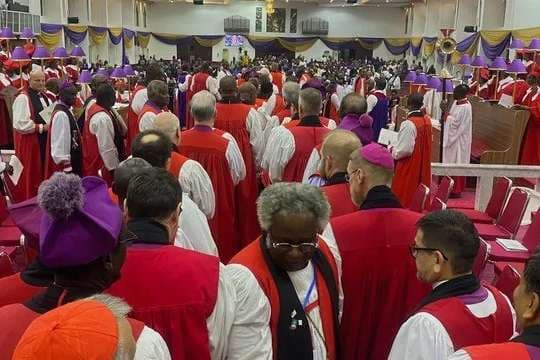
Leaders of the Global Anglican Future Conference (GAFCON) have scrapped plans to elect a rival leader to the archbishop of Canterbury, reversing what many supporters had previously described as a historic step toward reshaping global Anglican leadership.
As Zeale News previously reported, tensions within the Anglican Communion have escalated in recent months after several Global South Anglican leaders rejected the Church of England’s support for same-sex relationships and questioned the leadership of the archbishop of Canterbury.
Sarah Mullally was elected Jan. 28 as archbishop of Canterbury, drawing strong opposition from some Global South Anglican leaders particularly because of her support for same-sex relationships.
According to a news report by The Living Church, during the group’s March 3-6 gathering in Abuja, Nigeria, GAFCON leaders abandoned plans to appoint a primus inter pares, who would have served as a competing figure to the archbishop of Canterbury within a proposed Global Anglican Communion.
Instead, the movement announced it would rebrand its existing Primates’ Council as the Global Anglican Council, while keeping the same leadership in place for the next two years.
In a communiqué released after the meeting, GAFCON leaders said their efforts to reshape Anglican leadership stem from concerns that parts of the Anglican Communion have departed from biblical teaching, particularly through the acceptance of same-sex relationships.
GAFCON leaders said that several Anglican provinces have “abandoned the authority of Scripture and failed to follow Christ faithfully” by permitting same-sex blessings and marriages.
Reverend George Conger of Anglican Ink, who attended the multiple-day gathering, indicated that the sudden change shocked the delegates.
“[The announcement] perplexed the delegates,” Rev. Conger said, “as the U-turn in structure and strategy appeared without warning.”
GAFCON General Secretary Paul Donison attributed the new plan to what he described as a “movement of the Holy Spirit,” explaining that the newly formed council would include bishops, clergy, and lay members.
.jpg&w=3840&q=75)


Comments