‘Behold, I make all things new:’ Easter and the renewing power of Christ’s love
In the book of Revelation, Christ tells us that “He makes all things new.” This is the promise of the entire Old Testament, fulfilled on Easter Sunday.

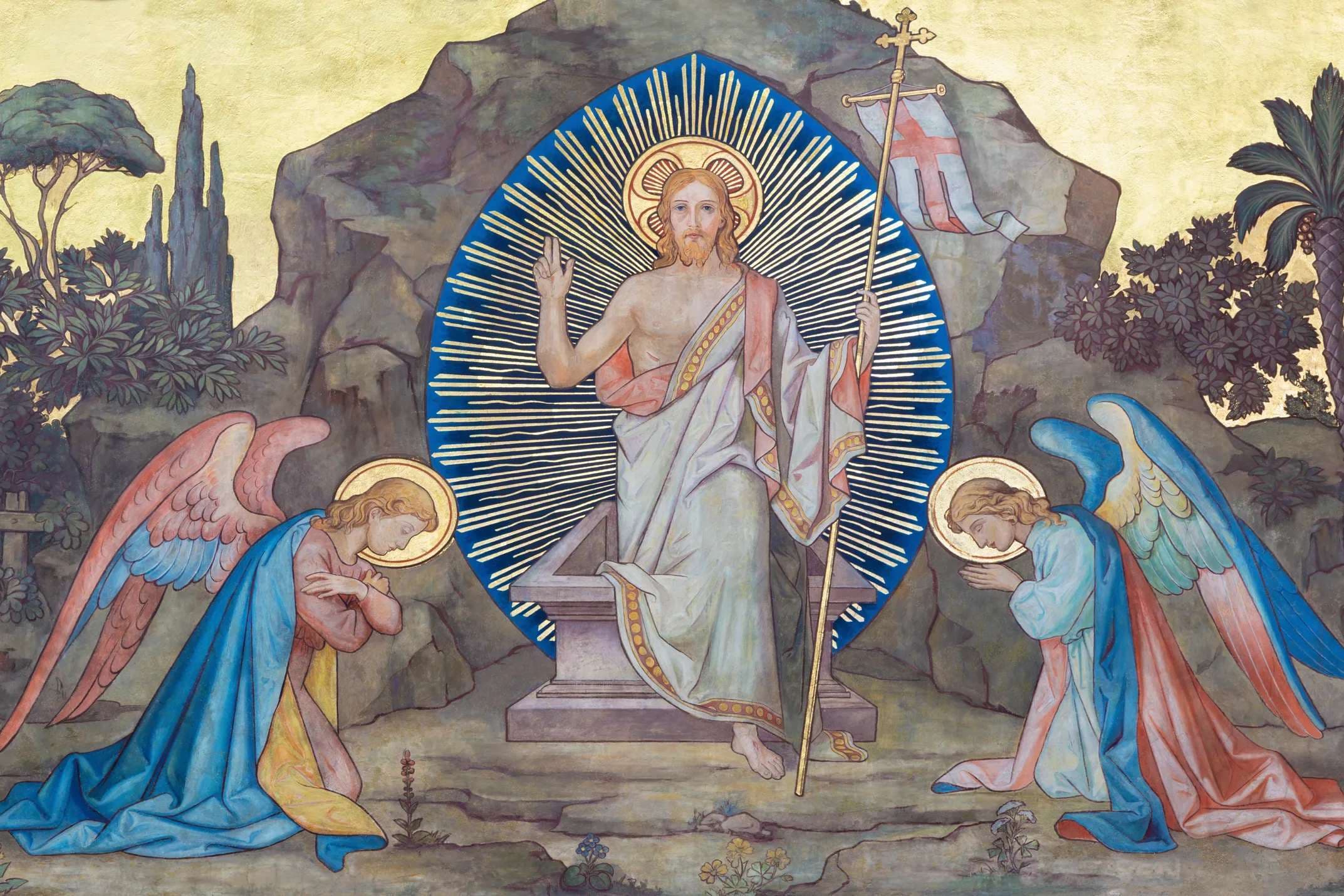
In the book of Revelation, the last book of the Bible, Christ tells us that “He makes all things new.” This is the promise of the entire Old Testament, fulfilled on Easter Sunday, when He conquered death.
At the Easter Vigil, the seven Mass readings communicate this newness and transformation to the faithful.
The Mass’s first reading,Genesis 1 and 2, relates when God created the world and man. In this reading, we see the newness and goodness of creation. Although we do not read the story of the Fall at the vigil Mass, we know that Adam and Eve reject God’s command, but He promises to send a savior to conquer when He says that Eve’s descendant will “bruise the head” of the serpent (Gen 3:15).
Throughout the rest of the Old Testament, God constantly calls man back to Himself, renewing man’s heart and his love. We see this in the first responsorial psalm on Easter Vigil, in which we pray, “Lord, send out your Spirit, and renew the face of the earth” (Psalm 104:30).
But in order to renew the face of the earth, God renews the individual hearts of men and women. Christianity radically changed the course of history, bringing an end the barbaric savagery of the ancient pagan world. But before it changed and renewed society, Christianity began with renewing the hearts of individual men and women.
In the prophecy of Ezekiel, the seventh reading on Easter Vigil, God responds to our prayer for renewal: He promises, “I will give you a new heart and place a new spirit within you, taking from your bodies your stony hearts and giving you natural hearts.” (Ezekiel 36:26)
The death and Resurrection of Christ fulfill this promise. Through suffering, Christ takes on the sins of the world, opening the gates of heaven and inviting man to the wedding banquet of the Lamb. He makes all things new, both the souls of man and the reality and life and death. Death no longer has the final word, and now by dying, man can enter eternal life.
The Epistle in the Easter Vigil (Romans 6:4) states, “We were indeed buried with him through baptism into death, so that, just as Christ was raised from the dead by the glory of the Father, we too might live in newness of life.”
Finally, Easter points to the resurrection of the dead at the end of the world and the creation of a new heaven and a new earth. The Resurrection shows us that our ultimate home is not here, but union with Christ in heaven. And chapter 21:3–4 of the book of Revelation describes how Christ will make all things new in the new Heaven and Earth, in a union even deeper than that of the Garden of Eden:
“See, the home of God is among mortals. He will dwell with them; they will be his peoples, and God himself will be with them; he will wipe every tear from their eyes. Death will be no more; mourning and crying and pain will be no more, for the first things have passed away.”


.jpg&w=3840&q=75)

Comments