California’s objection to likely non-citizen voter list blasted as ‘hypocritical’
A Heritage Foundation election lawyer calls California’s challenge to federal citizenship data “hypocritical” because the state uses the database it’s objecting to on a daily basis.
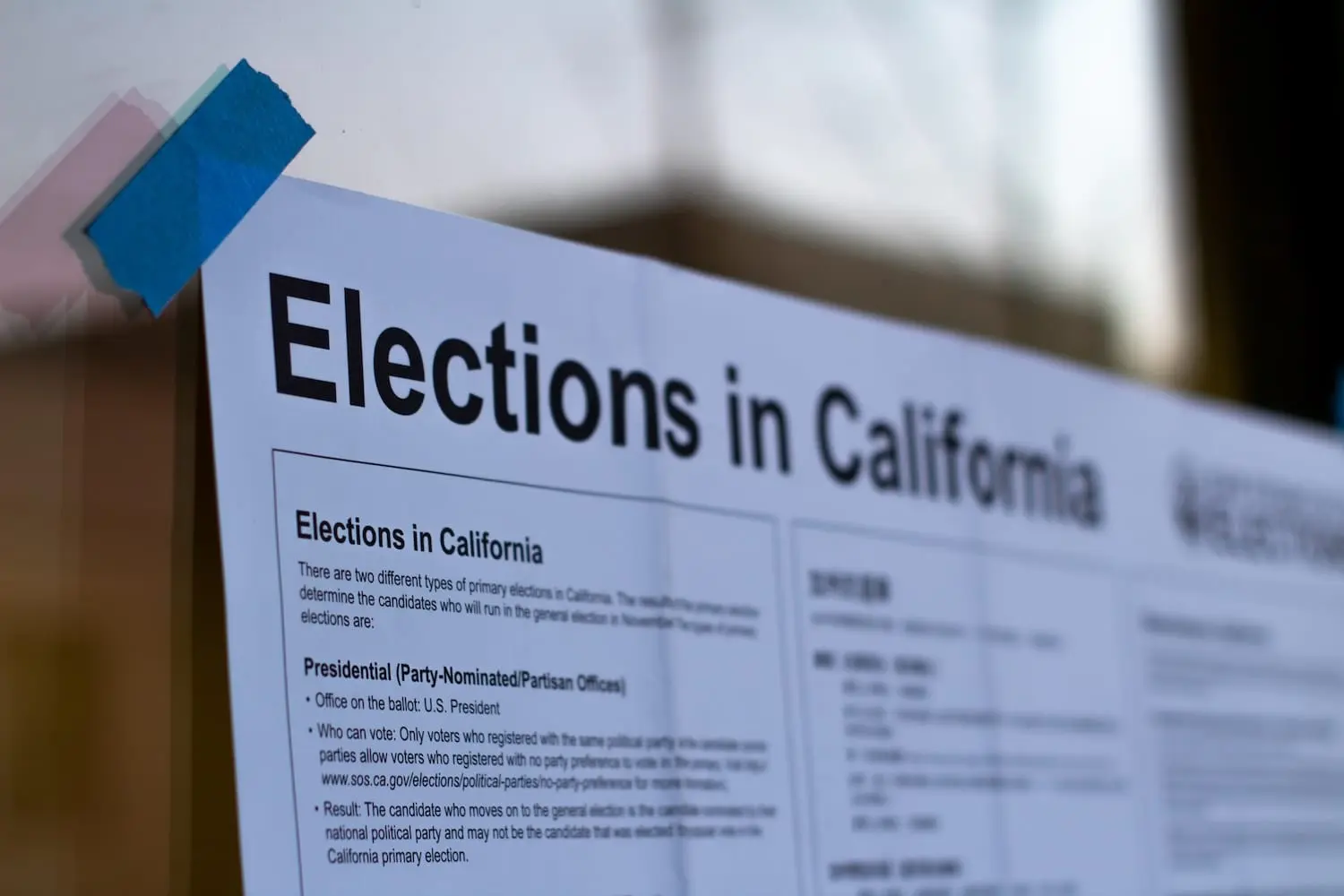
An election integrity expert is criticizing California officials as hypocritical for objecting to a Department of Justice list of likely non-citizen voters that uses a database the state consults on a daily basis. This comes on the heels of the Honest Elections Project filing a public records request seeking details on how the state responded to the list.
Don Palmer, the Heritage Foundation’s senior legal fellow for election integrity, said in a statement provided exclusively to Zeale News: “These are likely registered noncitizen registrants that the federal SAVE program identified with additional HSI review after a comparison with a public California voter registration list.
Palmer explained that the SAVE program is an online service of federal databases to verify citizenship status for people seeking federal benefits or licenses and 198 million cases were submitted for verification nationwide in 2025.
“California uses SAVE every day for general eligibility verification at the Department of Motor Vehicles as well as social services and benefits. As the largest state in the union, California submits millions of SAVE cases each year for verification.
“It is hypocritical and nonsensical for California not to accept federal evidence of non-citizenship for registration and voting by questioning its validity and methodology when the state uses it every day for a variety of purposes,” Palmer said. “The system is better than California maintains to verify citizenship.”
The Justice Department sued California Oct. 15, asking a federal court to order it to set aside the ballots of about 20,000 voters it flagged as likely non-citizens and to block the state from counting them until citizenship is confirmed. The department’s letters, sent Oct. 13, gave state officials two days to confirm the voters’ status.
Acting Deputy Attorney General Trent McCotter said the list was built from California’s public voter rolls cross-referenced with other government databases and public information. He acknowledged it may include some citizens but said 20,000 is the minimum number of likely non-citizens on the voter rolls and that the department considers it impracticable to investigate further before the election ends.
After the Los Angeles County officials cited security concerns to refuse opening a thumb drive the DOJ provided, the department emailed a spreadsheet of the same list and conducted a preliminary review. County officials told the court a review of a sample of 200 names on the list suggested it is unreliable, according to ABC News. Among sampled voters whose birthplace was meaningfully reported, 38.9% indicated they were born in the United States, and 112 of the 200 records were canceled or inactive registrations. About 70% had no voting history. Only 7,035 names on the list had Los Angeles County addresses, and some were duplicates.
“At best, this litigation is a reckless political stunt,” California Attorney General Rob Bonta said in an Oct. 20 court filing, CalMatters reported. Bonta’s filing noted that the 28 people charged federally on Oct. 19 equal about .0001 percent of California’s 23 million registered voters.
Jason Snead, the Honest Elections Project’s executive director, told the Daily Signal that California’s election system “asks no questions and wants no answers.” He asserted that the state registers voters on their word without independently verifying citizenship and that officials have refused to set aside a single ballot.
The records requests seek records of any state investigations into the federal concerns and what they found, how ballots sent to or returned by flagged individuals were handled, and guidance given to counties on eligibility checks.
In a separate election-roll dispute, the Public Interest Legal Foundation filed a complaint Oct. 21 with the North Carolina State Board of Elections identifying 3,674 matched voter registration records across 94 of the state’s 100 counties.
The foundation says the matches include identical names and near-matches sharing an address and birth date. It says it alerted the board in September to about 1,200 duplicates in the 10 largest counties and received no response. Duplicate records do not by themselves show that anyone voted twice, but it can make it easier to do so, even accidentally.
The state’s U.S. Senate race, which is on the Nov. 3 ballot, pits former Democratic Gov. Roy Cooper against former Republican National Committee Chairman Michael Whatley.

Comments