California's proposed billionaire tax could spark 'unprecedented' wealth exodus, tech leaders warn
A recent article by the technology and politics newsletter Pirate Wires claims that a proposed California ballot initiative targeting billionaires has prompted widespread exit planning among the state’s wealthiest tech founders and investors in what the author describes as an unprecedented “wealth flight.”

A recent article by the technology and politics newsletter Pirate Wires claims that a proposed California ballot initiative targeting billionaires has prompted widespread exit planning among the state’s wealthiest tech founders and investors in what the author describes as an unprecedented “wealth flight.”
Mike Solana wrote in the Jan. 23 article that he spoke privately with 21 California billionaires, primarily technology founders and venture capitalists, who together oversee companies valued at roughly $1.3 trillion and employ about 50,000 people. None agreed to be interviewed on the record, Solana wrote.
“Over the last week, I spoke with 21 billionaires about the looming prospect of a wealth tax,” Solana wrote. “Most of them are” planning to leave California.
The proposed 2026 Billionaire Tax Act is a one-time 5% excise tax on the net worth of individuals or certain trusts worth more than $1 billion. It would apply to anyone who was a California resident, even part-year, as of Jan. 1, based on their worldwide personal assets — including stocks, bonds, business interests, art, collectibles, and intellectual property — but excluding directly held real estate, most retirement accounts, and certain out-of-state property. The tax would be due with 2026 tax returns or spread over five years.
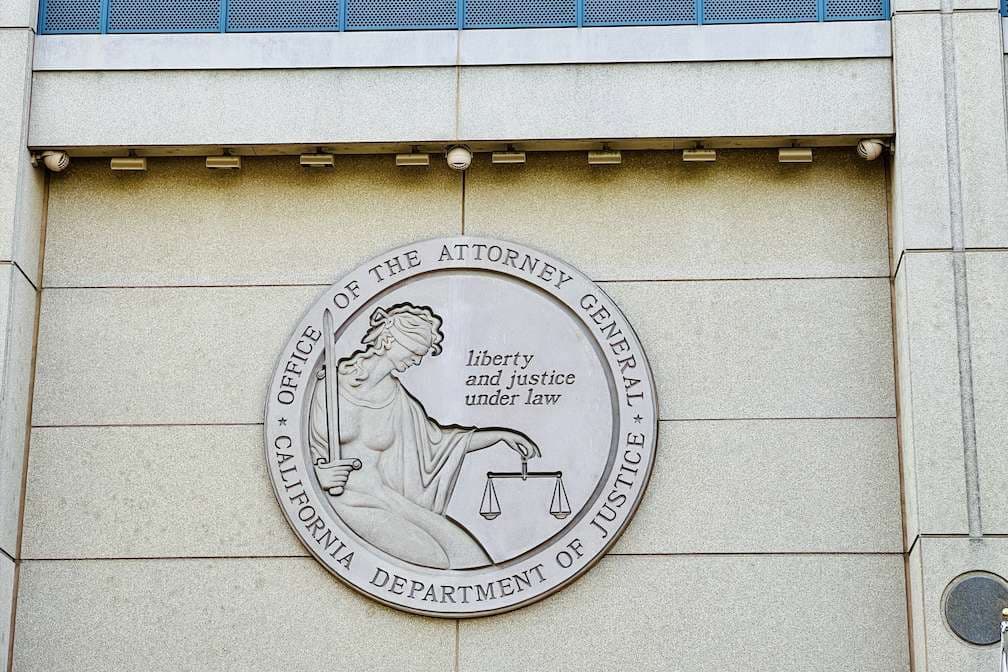
The goal is to raise an estimated $100 billion, which would mostly be spent on health care programs, such as Medi-Cal, to offset expected federal cuts. The rest would fund K-14 education and food programs, according to the official text of the initiative as filed before the California Attorney General.
The act is backed by the state’s largest health care union and needs roughly 875,000 signatures to qualify for the November 2026 ballot.
California Democratic Gov. Gavin Newsom has publicly opposed the proposal, warning it could drive wealthy individuals and businesses out of California.
Solana wrote that the proposal was intended to offset costs associated with California’s expansion of health care coverage to immigrants without legal status, but argued it would be ineffective and legally destabilizing.
“The ballot proposition was constructed in such a way as it can technically not solve any of the stated problems it was ostensibly written to address,” Solana wrote, adding that some founders believe its language could allow the state to seize control stakes in private companies and “actually bankrupt them.”
Several founders told Solana they believe the measure’s purpose goes beyond revenue generation. According to Solana, most of the men he spoke with viewed it as designed to “humiliate them, disrupt their personal lives, and hurt their companies.”
Solana reported that concern extends beyond the specific proposal to broader uncertainty about future legislation.
“Everyone believes they will be targeted again,” he wrote, adding that “nobody believes” asset seizure would remain limited to billionaires once the framework is established.
“I think 100 percent of people who are looking at this understand it is being marketed as a one-time thing, but it will not be one time,” one businessman told Solana.
According to the article, an informal poll in a large private Signal chat of tech leaders found about 70% would leave the state if the proposal passes, while roughly 15% had already relocated. Among the 21 men Solana interviewed, all but one said they are developing exit plans, including several longtime supporters of California’s tech ecosystem.
“The crazy thing,” one founder described as a “California maximalist” told Solana, “is that I’m thinking about leaving, because I am one of the happiest-to-pay-taxes people I know.”
Solana wrote that nearly all those interviewed have either already purchased or are in the process of purchasing homes out of state, retained lawyers to prepare for what they expect could be years of litigation, and begun shifting company operations beyond California.
“If this tax actually passes,” one venture capitalist told Solana, “I think the technology industry kind of has to leave the state,” adding that the math “will literally destroy the company.”
Another executive told the author that startups may continue launching in California, “but the second it actually works the CEO will move and open other offices elsewhere, and most of your workers will be someplace else.”
The article says potential destinations include Florida, Texas — particularly Austin — and mountain states such as Wyoming or Nevada, often based on constitutional or statutory barriers to taxes on wealth or unrealized gains.
Solana also reported political fallout among Democratic donors, noting that many of those affected are longtime supporters of the party. One billionaire told him the proposal could be “the single most radicalizing red-pilling thing” for Democratic donors and said it revealed that “the pain is part of the point.”
The proposal was first filed with the California Attorney General in October 2025 and cleared for signature gathering in December 2025. If it qualifies for the ballot, voters would decide on it during California's general election in November 2026. As of now, it's still in the signature-gathering phase and has not yet been certified for the ballot.





Comments