Calls for a ‘church-free’ state at Indian political event alarm Christians in region scarred by anti-Christian violence
The rhetoric came as state officials moved to honor a Hindu nationalist leader whose 2008 killing preceded weeks of anti-Christian massacres that left tens of thousands displaced.
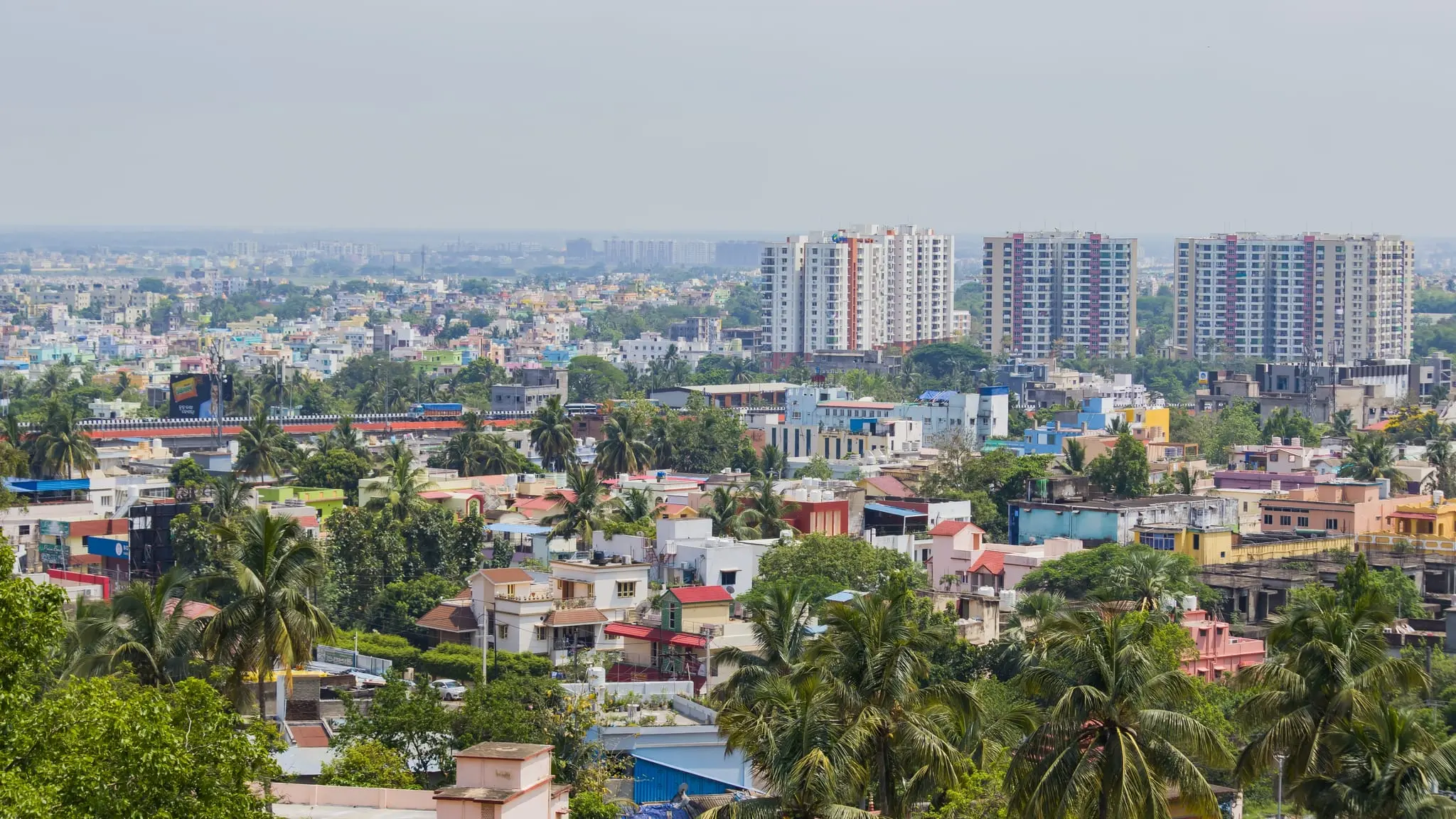
Speakers at a July 28 gathering attended by the top elected official in Odisha, an eastern Indian state, called for the region to become “church-free,” alarming Christian advocates in an area scarred by one of India’s worst outbreaks of deadly anti-Christian violence in 2008.
The gathering in Bhubaneswar featured Odisha Chief Minister Mohan Charan Majhi, who belongs to Prime Minister Narendra Modi’s Hindu nationalist Bharatiya Janata Party (BJP), whose governments have faced criticism from religious-freedom monitors over their treatment of Christians and other religious minorities.
Several other senior Hindu nationalist figures attended the meeting, including Rashtriya Swayamsevak Sangh (RSS) General Secretary Dattatreya Hosabale and former Union minister and BJP lawmaker Dharmendra Pradhan.
Organizers held the event to release a biography of Swami Laxmanananda Saraswati, a slain leader of Vishva Hindu Parishad, a Hindu nationalist organization affiliated with RSS.
According to an Aug. 3 UCA News commentary by Indian journalist and human rights activist John Dayal, speakers declared, “Church-free Odisha, church-free Kandhamal.” They also demanded restrictions on “vidharmis,” a term for people of another faith that the speakers used in reference to Christians and Muslims.
Dayal, citing local reports, said speakers called Kandhamal — a rural district in Odisha that became the center of anti-Christian violence in 2008 — a “laboratory” whose model should be replicated across India. Organizers reportedly urged Hindu religious leaders to visit every village in the district and asked participants to help complete what they described as Saraswati’s “unfinished work.”
Dayal did not attribute the “church-free” statement to Majhi himself, and the chief minister did not announce it as government policy. Dayal stressed, however, that speakers made the call in Majhi’s presence and reported that neither Majhi nor his office had clarified the state government’s position as of Aug. 3.
“What worries the community most,” Dayal wrote, “is that the call against their existence in the state came not at a party function but at one organized with the help of the state government machinery, with the chief minister in the front row.”
Dayal called for federal authorities to investigate whether the remarks constituted incitement and urged opposition parties and national media outlets to scrutinize the event.
He said the public call for a “church-free” state overrides “every single Constitutional guarantee of freedom of religion and belief and the protection of the law.” Article 25 of India’s Constitution guarantees all people freedom of conscience and the right to profess, practice, and propagate their religion.
Government moves to honor Hindu leader
Majhi used the event to announce that the state would incorporate Saraswati’s life and work into school and college curricula. He said they would place Saraswati’s biography in educational libraries, and the government would organize seminars and workshops promoting the Hindu nationalist’s ideals in villages across Odisha and at universities nationwide.
The state government also renamed the Government Medical College and Hospital in Phulbani after Saraswati and allocated 130 million rupees, approximately $1.5 million, to preserve and expand his Jalespata Ashram — a Hindu religious complex in Kandhamal. The funding includes a new 300-seat girls’ hostel, classrooms, water infrastructure, and renovations.
Majhi described Saraswati as a defender of Kandhamal’s tribal communities and praised his work in education and social welfare. The chief minister said Saraswati had campaigned against “illegal religious conversions, cow slaughter, and anti-national conspiracies.”
Four left-wing parties opposed the medical college’s renaming, arguing that a public institution serving every community should bear the name of a figure respected across religious lines. They warned that honoring Saraswati could reopen communal wounds and undermine Odisha’s secular character.
Saraswati’s killing preceded anti-Christian massacres in region
Saraswati and four of his followers were shot dead at the Jalespata Ashram on Aug. 23, 2008. Maoist rebels later claimed responsibility, but Hindu nationalist organizations blamed local Christians. His killing triggered weeks of retaliatory anti-Christian attacks in Kandhamal, during which mobs killed residents, burned churches and Christian homes, and pressured Christians to renounce their faith.
Government accounts put the death toll at at least 39, while church sources say approximately 100 people died and more than 56,000 were left homeless. Hundreds of churches and Christian institutions and thousands of homes were damaged or destroyed. The Vatican has authorized the beatification cause of 35 Catholics killed during the persecution, as CatholicVote previously reported.
Dayal argued in his commentary that Majhi’s earlier support for releasing Dara Singh, a Hindu nationalist convicted in another notorious anti-Christian killing, further heightens Christians’ concerns about the chief minister. In 2022, while serving as a state lawmaker, Majhi supported a campaign seeking the release of Singh, who was sentenced to life for leading the mob that burned Australian missionary Graham Staines and his two young sons alive in 1999.
Singh was not among 19 prisoners granted early release in late July. A state review board deferred his application, and India’s Supreme Court directed the state government to decide Singh’s release request before an Aug. 19 hearing.
The controversy comes amid broader concerns about religious freedom in India. The U.S. Commission on International Religious Freedom reported in March that India’s religious-freedom conditions continued to deteriorate in 2025. It specifically cited a Hindu nationalist mob’s attack on 20 Christian families in Odisha after they refused to convert to Hinduism.
As Zeale News previously reported, the commission recommended targeted U.S. sanctions against the RSS for what it described as the organization’s responsibility for or tolerance of severe religious-freedom violations.



.jpg&w=3840&q=75)
.jpg&w=3840&q=75)




Comments