Cardinal Zen says cardinals’ meeting at Vatican was a 'welcome breakthrough' but concerns of structure remain
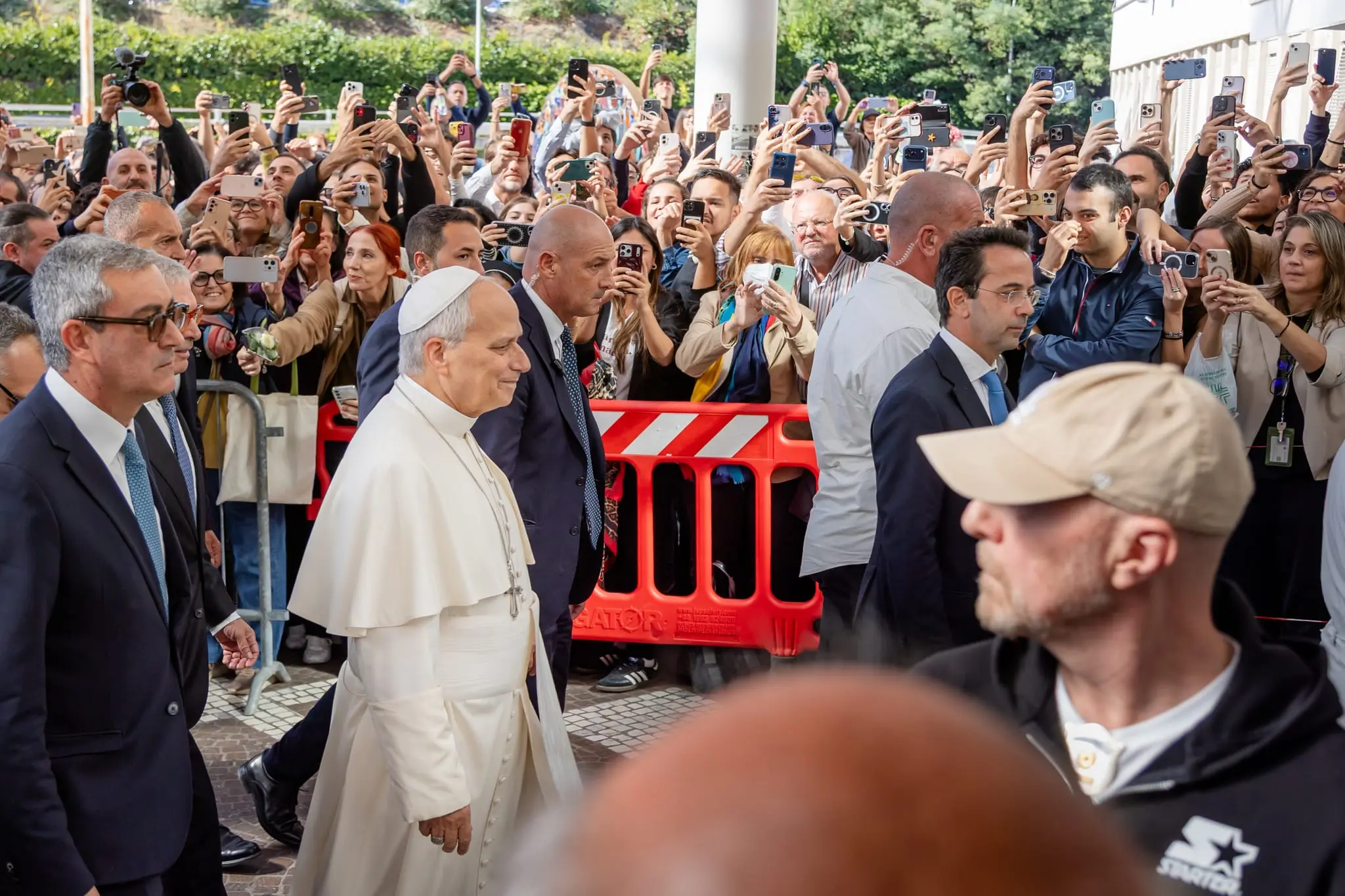
Cardinal Joseph Zen, 94, bishop emeritus of Hong Kong and anti-communism hero, said Jan. 20 that Pope Leo XIV’s convening of the Extraordinary Consistory of Cardinals at the Vatican “is a truly welcome ‘breakthrough’” but speculated that some of the organizers may have sought to censor cardinals through the meeting’s structure.

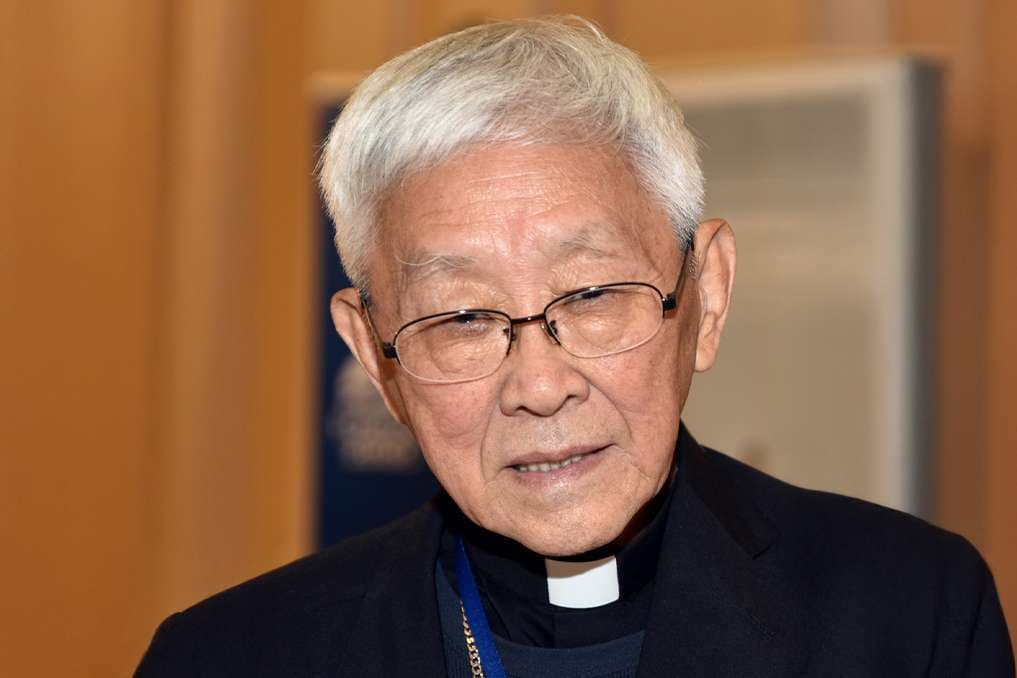
Cardinal Joseph Zen, 94, bishop emeritus of Hong Kong and anti-communism hero, said Jan. 20 that Pope Leo XIV’s convening of the Extraordinary Consistory of Cardinals at the Vatican “is a truly welcome ‘breakthrough’” but speculated that some of the organizers may have sought to censor cardinals through the meeting’s structure.
In the same statement, Cardinal Zen expressed optimism that the structure will be improved in future meetings.
On the morning of Jan. 7, the first day of the two-day consistory, Cardinal Zen also had a private audience with Pope Leo, whom he praised for his attentiveness and disposition to listen. In a Jan. 20 X post, Cardinal Zen said the Pontiff “spoke with me very kindly for half an hour,” according to a Grok-generated English translation of the post.
“I spoke a lot,” Cardinal Zen continued, “and he listened a lot — he truly is a leader skilled at listening!”
The consistory began that afternoon and originally its agenda included the discussion of four topics: Pope Francis’ first apostolic exhortation about evangelization; synodality; the reform of the Curia; and the Traditional Latin Mass and the post-Vatican II Mass, Cardinal Zen related.
“At the last minute, due to time constraints, everyone was asked to discuss and vote to select only two topics for discussion,” Cardinal Zen said, adding that the cardinals ultimately chose the first two topics. He added in brackets that in his opinion, the afternoon felt “wasted.”
Cardinal Raymond Burke had also mentioned in a recent video interview with the College of Cardinals Report that much of the beginning of the consistory was spent on voting and explaining the themes, which he believes posed an organizational challenge.
Cardinal Zen expressed concern that the meeting’s organization had been modeled after that of the 2023 Synod on Synodality, a format that he warned posed significant challenges to allowing many of the cardinals from expressing opinions.
The second and final day of the meeting began with co-celebrating Mass with Pope Leo, the discussion of the first topic, lunch with the Pope, and then the discussion of the second topic, Cardinal Zen explained, continuing: “What was meant to be a two-day gathering was reduced to one day.”
“Even more serious: the format of the gathering seemed like a carbon copy of the recent ‘synod’: everyone sat around a round table chatting, with very little time for full-group discussion,” he said, noting there were only two such sessions, which were 45 minutes long. As a result, only 15 cardinals per session had the chance to speak.
Additionally, he wrote, one of the clergy who preached at the Synod gave a homily at the consistory, the prefect of the Dicastery for the Doctrine of the Faith handed out several documents, the secretary general of the Synod secretariat spoke, and, although the topic of liturgy was not chosen for discussion, the prefect of the Dicastery for Divine Worship distributed a document to the cardinals about the topic.
“It seems someone treated this consistory as a continuation of the synod on synodality,” Cardinal Zen said. “I lean toward ‘conspiracy theory,’ suspecting that this meeting was ‘hijacked’ by Pope Francis's ‘boys.’ They did everything they could to prevent the cardinals from expressing their opinions. Isn't this the exact opposite of the purpose for which Pope Leo called the consistory?”
Post-consistory, many cardinals agreed that “the arrangements were quite problematic,” Cardinal Zen said, adding, “but unlike me, they didn't lean toward ‘conspiracy theory.’”
Some of the cardinals posited that it was due to the busyness of the numerous events as the 2025 Jubilee Year concluded and that it was likely Pope Leo was unable to personally oversee the consistory’s structure, Cardinal Zen explained.
CatholicVote previously reported that Cardinal Zen gave a 3-minute intervention at the consistory in which he harshly critiqued the Synod on Synodality, describing its processes as an “ironclad manipulation.”
In his Jan. 20 post, Cardinal Zen said of his consistory address, “The Pope encouraged everyone to speak frankly, and I used fairly sharp language to criticize the ‘synod’ and the measures it left behind regarding the ‘implementation phase.’”
He said many cardinals had previously and recently expressed similar views, but at the consistory “few spoke up, and when they did, it was very ‘polite.’”
“Unfortunately, I ended up as the sole ‘bad boy,’” Cardinal Zen continued. “After my speech, it seemed like someone gave me the cold shoulder, but inside and outside the meeting, many ‘traditionalist’ brothers and sisters expressed their appreciation. I didn't notice the Pope's reaction, but I know — and firmly believe — that he is a leader skilled at listening.”
Cardinal Zen continued: “So, what is my overall feeling about this consistory? Deeply grateful”.
“The Pope's convening of the consistory is a truly welcome ‘breakthrough,’” he added, noting that Pope Leo has already announced plans for annual and longer extraordinary consistories.
“The procedural arrangements will surely improve, allowing the Pope to listen extensively to his brothers' loyal opinions,” he said. “May the Lord bless Pope Leo XIV.”
Overall, Cardinal Zen said that his time in Rome “was truly spectacular.”
He also explained that it was a great relief that at the Hong Kong police station before his trip, receiving his passport was an easy process. The Hong Kong government confiscated Cardinal Zen’s passport in 2022 but a court granted him temporary use of it to attend Pope Francis’ funeral. Since the consistory, he has returned again to Hong Kong, where he said he has been resting and busy enjoying some celebrations of his Jan. 13 birthday at the invitations of many people who care for him.
He noted that he was sick for a year and lost 22 pounds but has been able to regain some of it. He is working to follow the advice of his doctor to continue to regain the weight.
“Here, I sincerely thank the brothers and sisters who prayed for me,” Cardinal Zen concluded, adding, “(thanks be to God for the graces He gave me in '94; may the Lord forgive my lifelong faults, and for the days He specially grants me afterward, I won't refuse — haha).”
As Cardinal Zen mentioned in his post, Cardinal Arthur Roche, prefect of the Dicastery for Divine Worship, distributed to the cardinals a document on the liturgy that defended the decision to restrict the celebration of the Latin Mass in 2021, as CatholicVote reported.

Comments