Pope Leo: Divisions within Christianity make witness to the world ‘less radiant’
During an ecumenical vespers service, Pope Leo XIV reflected on St. Paul and said that divisions make Christians’ proclamation of the Gospel “less radiant.”
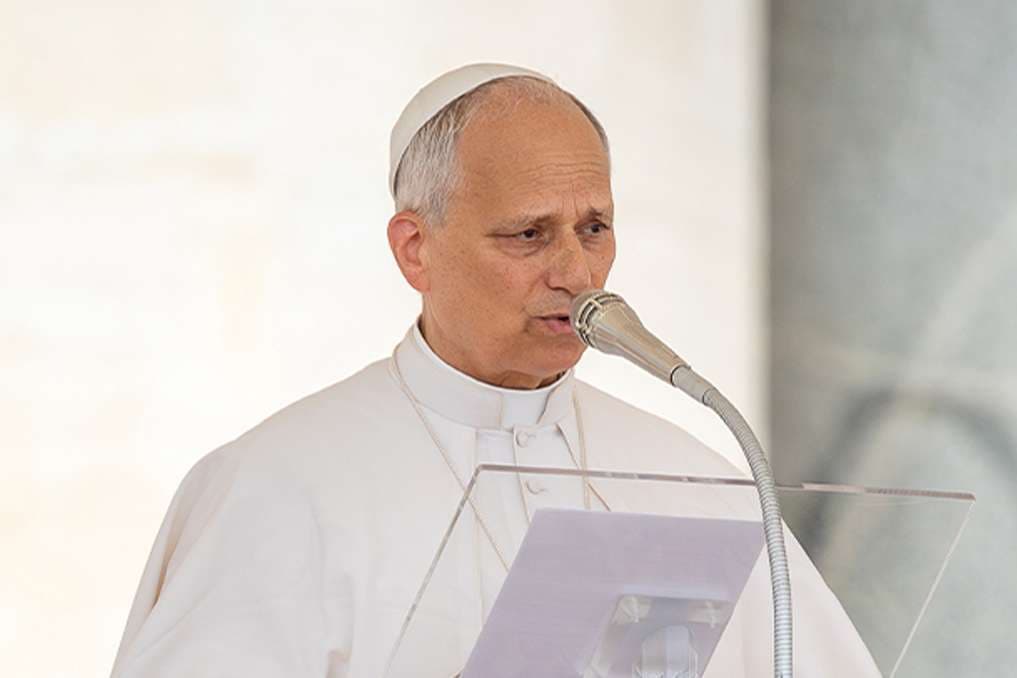
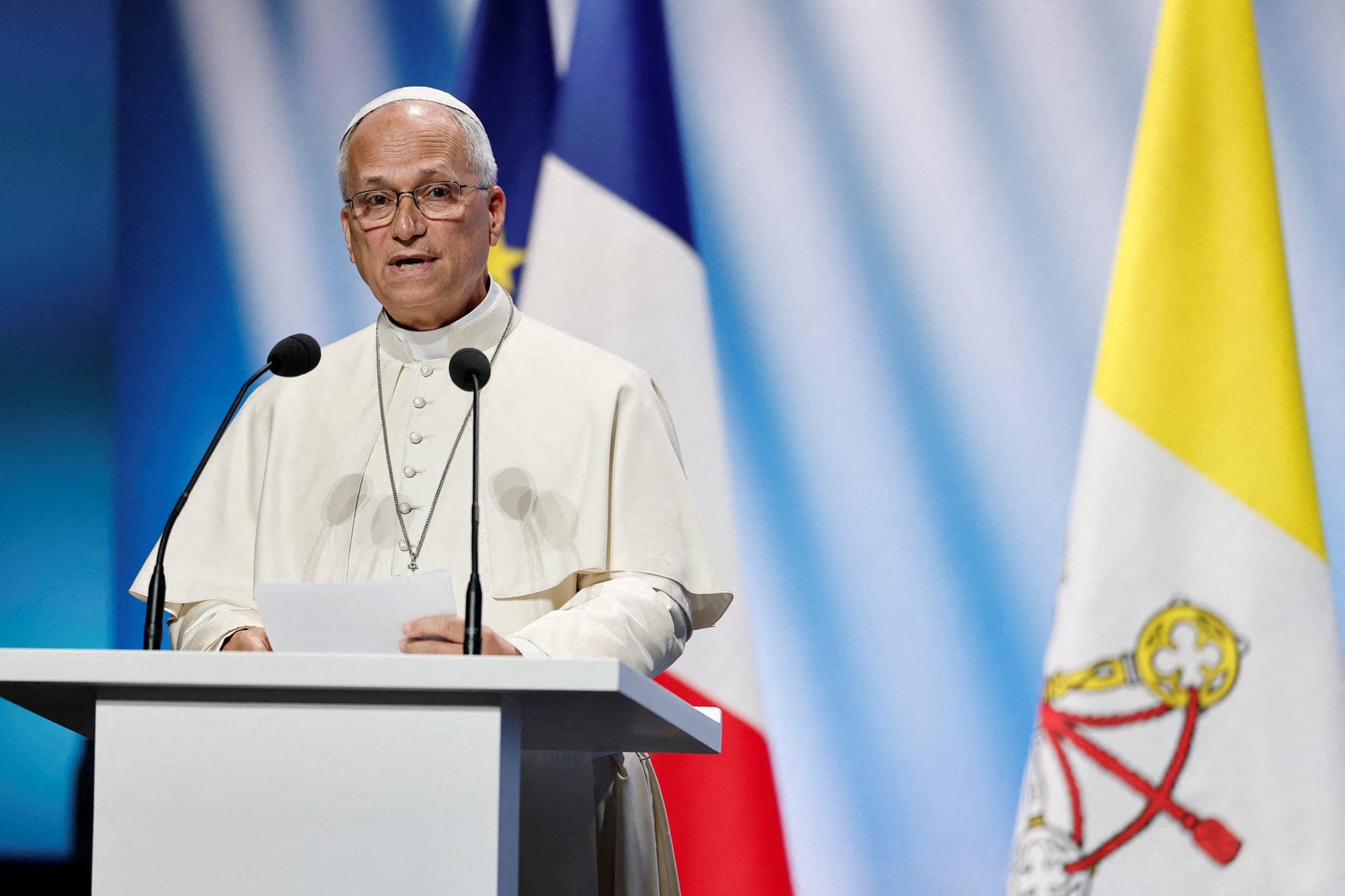
In his homily during a Jan. 25 ecumenical vespers service, Pope Leo XIV reflected on the life of Saint Paul and encouraged all Christians to seek unity, saying that divisions make Christians’ proclamation of the Gospel “less radiant.”
The vespers service was held in celebration of both the Solemnity of the Conversion of St. Paul and the end of the 59th Week of Prayer for Christian Unity. It took place at the Basilica of St. Paul Outside the Walls in Rome, where St. Paul is buried, and it was attended by many non-Catholic Christian leaders.
Pope Leo began his homily by reflecting how St. Paul’s conversion gives witness to God’s power to transform hearts.
“The depth of this conversion is reflected in the change of his name from Saul to Paul,” he said. “By the grace of God, the one who once persecuted Jesus has been completely transformed into his witness. The one who once fiercely opposed the name of Christ now preaches his love with burning zeal.”
The Holy Father said that, gathered before the remains of St. Paul, everyone in attendance was reminded of St. Paul’s mission, which he said is the mission of all Christians: “to proclaim Christ and to invite everyone to place their trust in him.”
The Pontiff then turned his attention to the theme of Christian unity.
“My dear friends, every year the Week of Prayer for Christian Unity invites us to renew our commitment to this great mission, bearing in mind that the divisions among us — while they do not prevent the light of Christ from shining — nonetheless make the face which must reflect it to the world less radiant,” he said.
The Pope reminisced about the celebration of the 1,700th anniversary of the Council of Nicaea and thanked God that so many Christians of different traditions attended and recited the Nicene Creed together in the place where it was formulated.
He then reflected on Ephesians 4:4-6, in which St. Paul says that there is one Lord, one faith, and one baptism.
“We are one!” Pope Leo said. “We already are! Let us recognize it, experience it and make it visible!”
He closed by remembering Christians in Armenia, which, he said, is traditionally believed to be the first Christian nation. He emphasized the important role martyrdom has played in the growth of the Church there and across the world.
“We give thanks for the intrepid heralds of the saving Word who spread the faith in Jesus Christ throughout Eastern and Western Europe,” he remarked. “We pray that the seeds of the Gospel may continue to bear fruit on this continent in unity, justice and holiness, for the benefit of peace among the peoples and nations of the whole world.”
Comments