Custody of the eyes
The practice of keeping custody of our eyes can transform the internal fashion monologue of our prayer into a dialogue with the Lord. Rosie Hall explores how this habit she cultivated while at the convent keeps our eyes and hearts focused on the great mystery on the altar.

We’ve all been there. You’re in Mass, watching the rows of people process up to communion. There goes a woman in a garish orange hat. A young man wearing white socks with his black suit is next. A young woman in a lacy veil, short-shorts, and a tank top follows him. Suddenly, you realize that rather than making an act of thanksgiving, you have been judging the strange discordant fashion show as it strides past.
This, and worse judgements have been made while still under the sacred rafters of the sanctuary. What can we do to keep our eyes and hearts focused on the great mystery on the altar? The solution is a principle I learned at the convent: custody of the eyes.
Dominion over the fish and birds
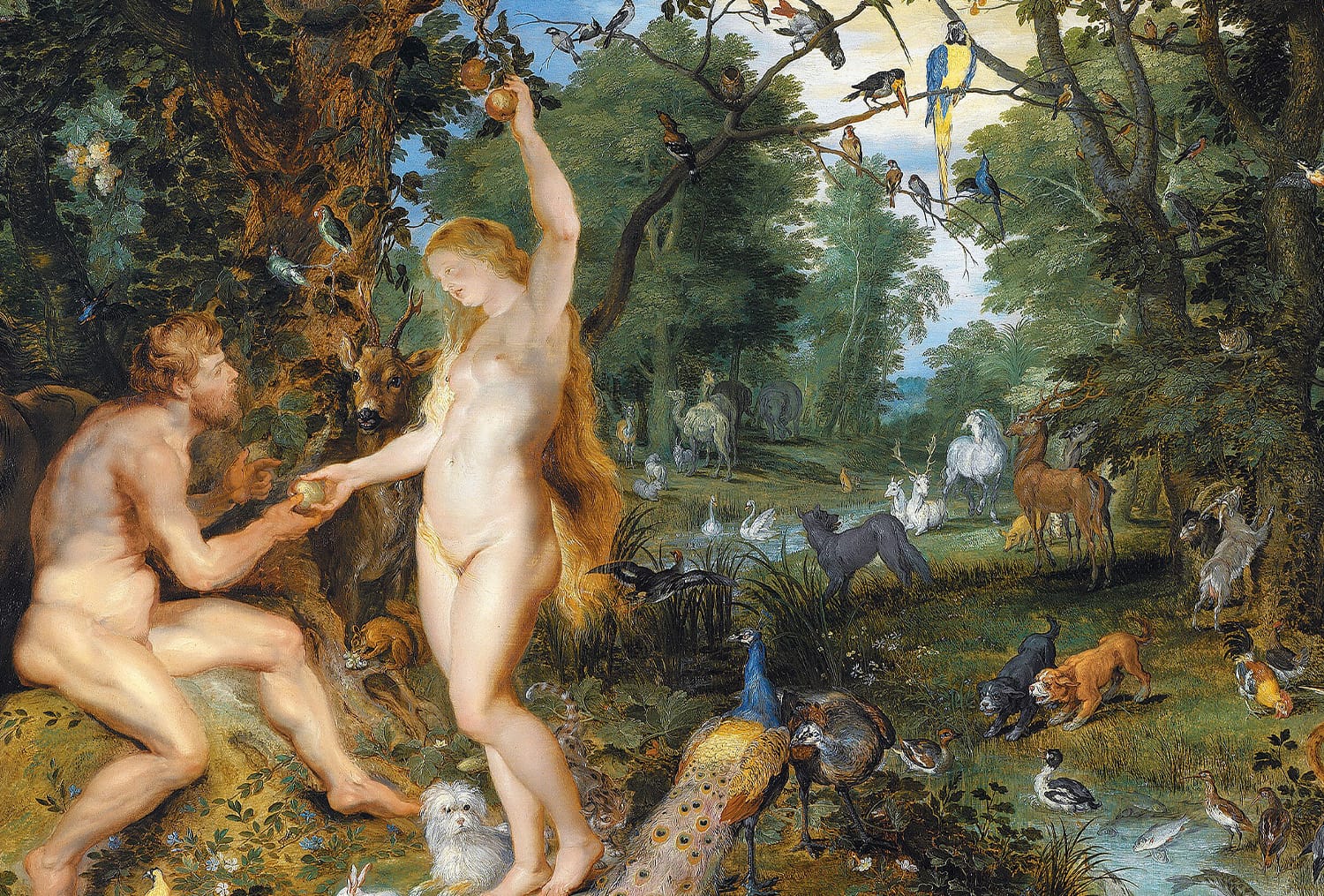
We have been given custody over many things. In the garden, Adam and Eve were given charge of the world and its creatures: “Be fruitful and multiply, and fill the earth and subdue it; and have dominion over the fish of the sea and over the birds of the air and over every living thing that moves upon the earth.” (Genesis 1:28) What a marvel that all of creation was entrusted to you and me!
Not only are we given dominion over creation, but also over our own bodies and souls: “You may freely eat of every tree of the garden; but of the tree of the knowledge of good and evil you shall not eat, for in the day that you eat of it you shall die” (Genesis 2:16-17). With these commands, God shows us the borders of our kingdom, and outlines our responsibility in this life: our world, our bodies, and our souls.
Convent advice
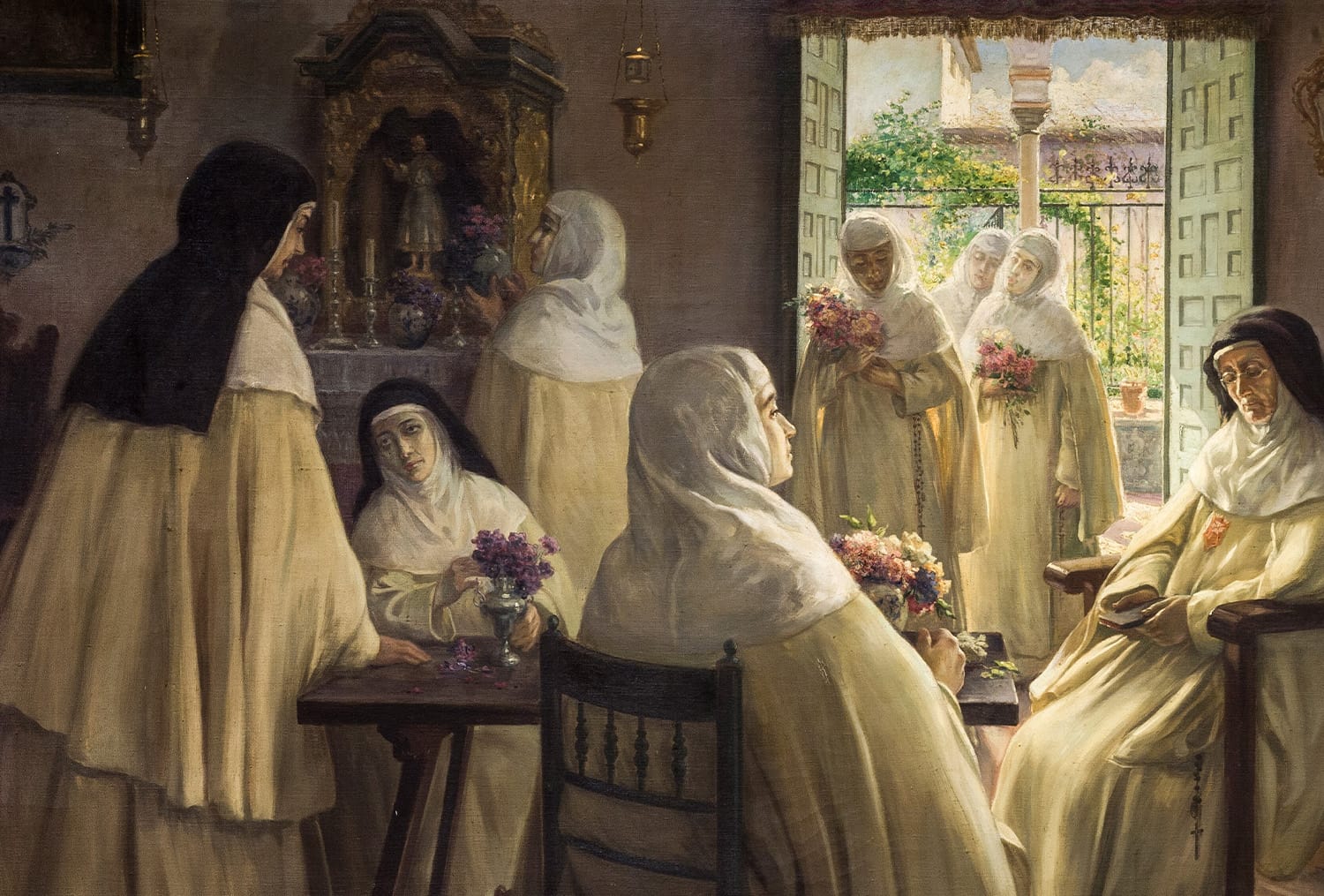
I entered the convent in 2018, fresh out of highschool, and was both eager and naive. I wanted to learn everything I could, hear everything I could hear, and, of course, see everything I could see. Wonder of wonders, however, in the first few weeks of my time there, I was taught not so much how to look, but how not to look.
St. Thomas Aquinas, in his Summa Theologiae, lists curiositas or “curiosity” under the vices. Aquinas wrote that seeking information out of your purview was not simply wrong, but could even be sinful. It leads to judgemental thoughts. Some even claim such curiosity led to the first fall. Eve was curious about what it would be “to be like God” (Genesis 3:5).
The Dominican order I was with, loyal sisters of St. Thomas Aquinas, passed this knowledge on to us wide-eyed postulants. They encouraged us to guard our sense of sight, especially in the chapel. The lowered eyes of a religious sister is not false modesty, but rather a guard against distraction and judgemental thoughts. Guard your eyes, and you guard your thoughts. Keep custody of those, and learn that ignorance is bliss… or at least more focus.

Respect the mystery
In our age of technology, it seems there is little left to surprise, the imagination, or mystery in our disenchanted age. With a few keystrokes, you can know everything about any topic you could seemingly ever want to know. Yet, the most important things remain a frustrating mystery: the future, the deepest thoughts of God, the thoughts and feelings of others. The mystery retained in these things stands out within our age of information overload.
Many holy theologians agree that when studying Catholic theology, at a certain point, you encounter the mystery of faith. Some things will not be understood in their fullness, no matter how hard you try. The Trinity, how exactly the Holy Spirit “spirates,” and how exactly bread and wine become Blood, Body, Soul, and Divinity, remain mysterious, no matter how many theological terms or descriptors you smack on there.
So too, the little practice of custody of the eyes; simply not looking allows things to remain a mystery. We reenchant the world, allowing the dealings of others and their intimate worship habits to remain a mystery. Obviously, if someone falls ill near us, or if the toddler needs attention, we tend to those who need us. However, for the most part, keeping our eyes to ourselves transforms the internal fashion monologue of our prayer into a dialogue with the Lord.









Comments