Easy and low-cost swaps to save your family from microplastics
As awareness about the health dangers of microplastic exposure increases, more households are looking for ways to minimize their risk. Here are 7 budget-friendly swaps you can start making today to limit microplastic exposure in your daily life.

Awareness about microplastics has been on the rise. These microscopic particles of plastic are absorbed through the skin, inhaled, or ingested. They are associated with hormone disruption, cardiovascular problems, and inflammation. The widespread presence of plastic in modern life makes exposure to high levels of microplastics a particular concern. But protecting yourself and your family from undue microplastic exposure doesn’t have to break the bank.
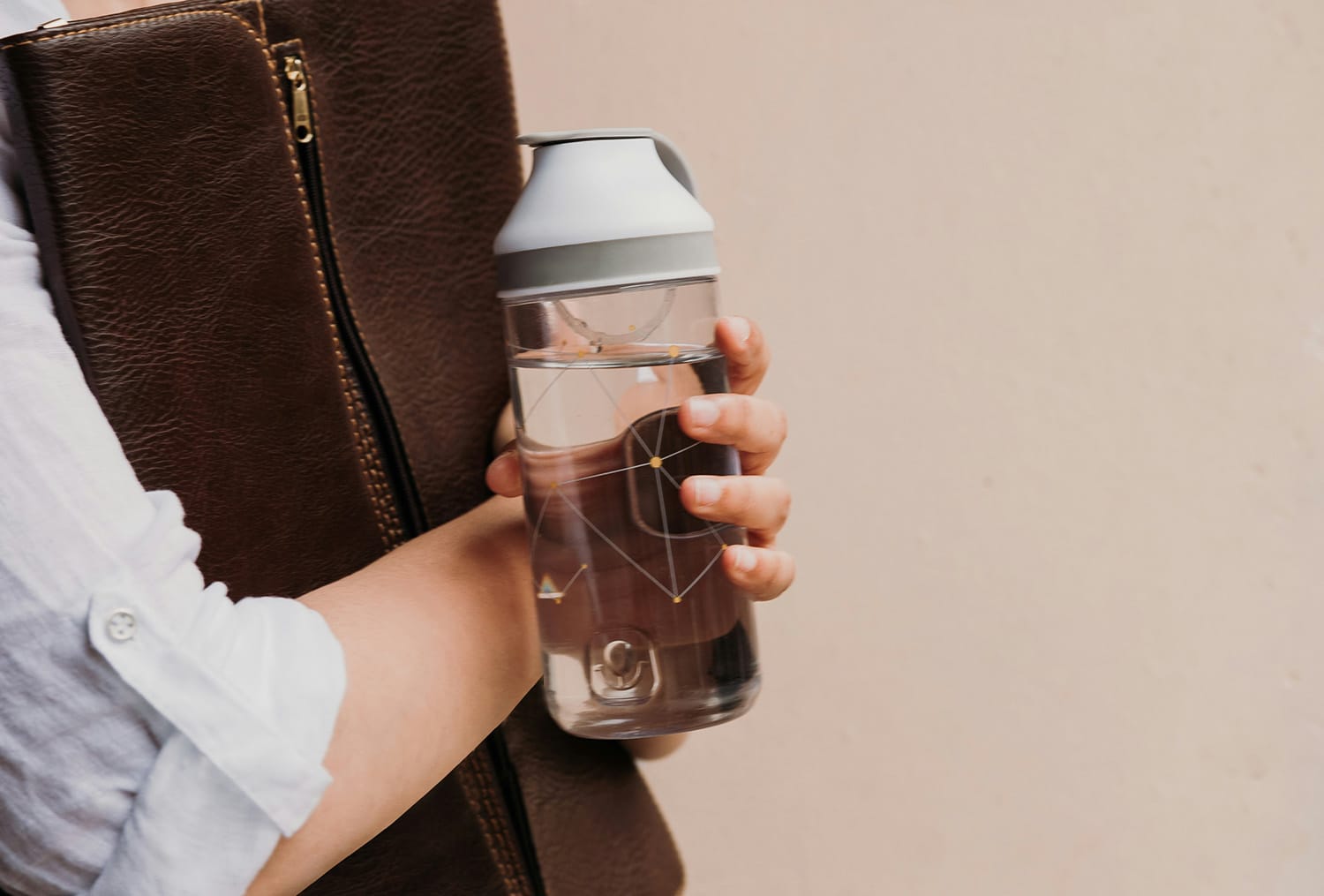
Switch to a reusable water bottle and store single use bottles strategically
Perhaps the most popular way to avoid additional microplastic exposure is switching to a reusable water bottle (preferably stainless steel or glass) rather than using disposable water bottles. Disposable water bottles are very convenient, especially if you’re on-the-go or prone to losing a more expensive reusable bottle. Bottled water sheds microplastics from the packaging itself. Research suggests that the frequent movement and jostling of the bottle, the exposure to heat, and the friction of screwing and unscrewing the cap all increase the release of plastic particles. If you do opt for bottled water, store it in a climate-controlled area if possible and avoid leaving it in the back of your vehicle. The combination of frequent heating and cooling, plus the regular movement and vibrations of the vehicle results in even more microplastics being released into your water. Many of your favorite small Catholic businesses offer reusable stainless steel water bottles that pull double duty as a safer alternative to staying hydrated and proudly declaring your faith.
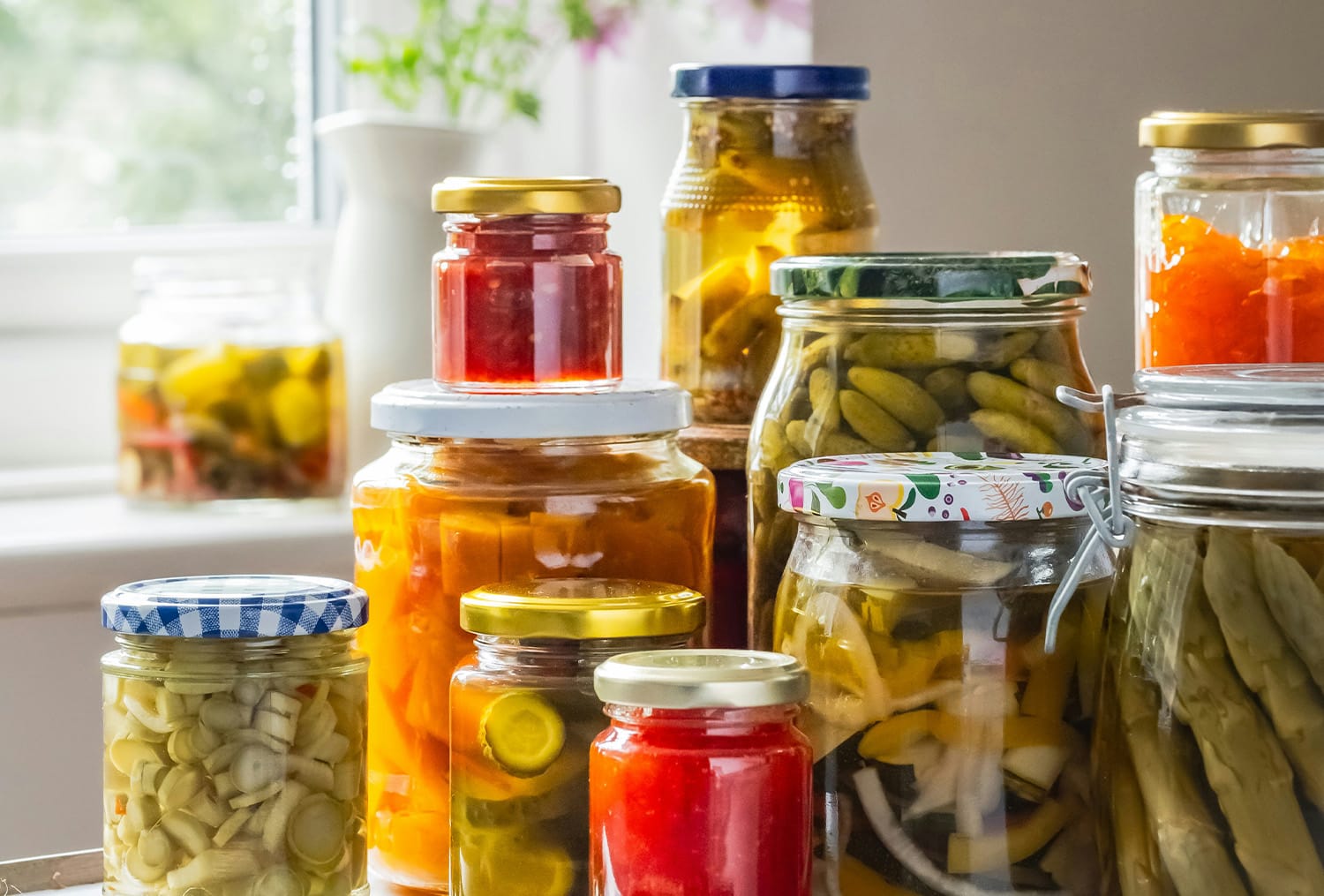
Upcycle jars and bottles
Grandma’s old trick of saving food packaging for future use is still relevant! Just be sure to stick to the glass containers. Saving a pasta sauce jar to store leftover soup or use as a portable drink container is always a win. You don’t have to buy fancy new glass tupperware if you are looking to replace your plastic food storage containers; opting to upcycle jars and containers is a win for lowering microplastic exposure and a win for your wallet.
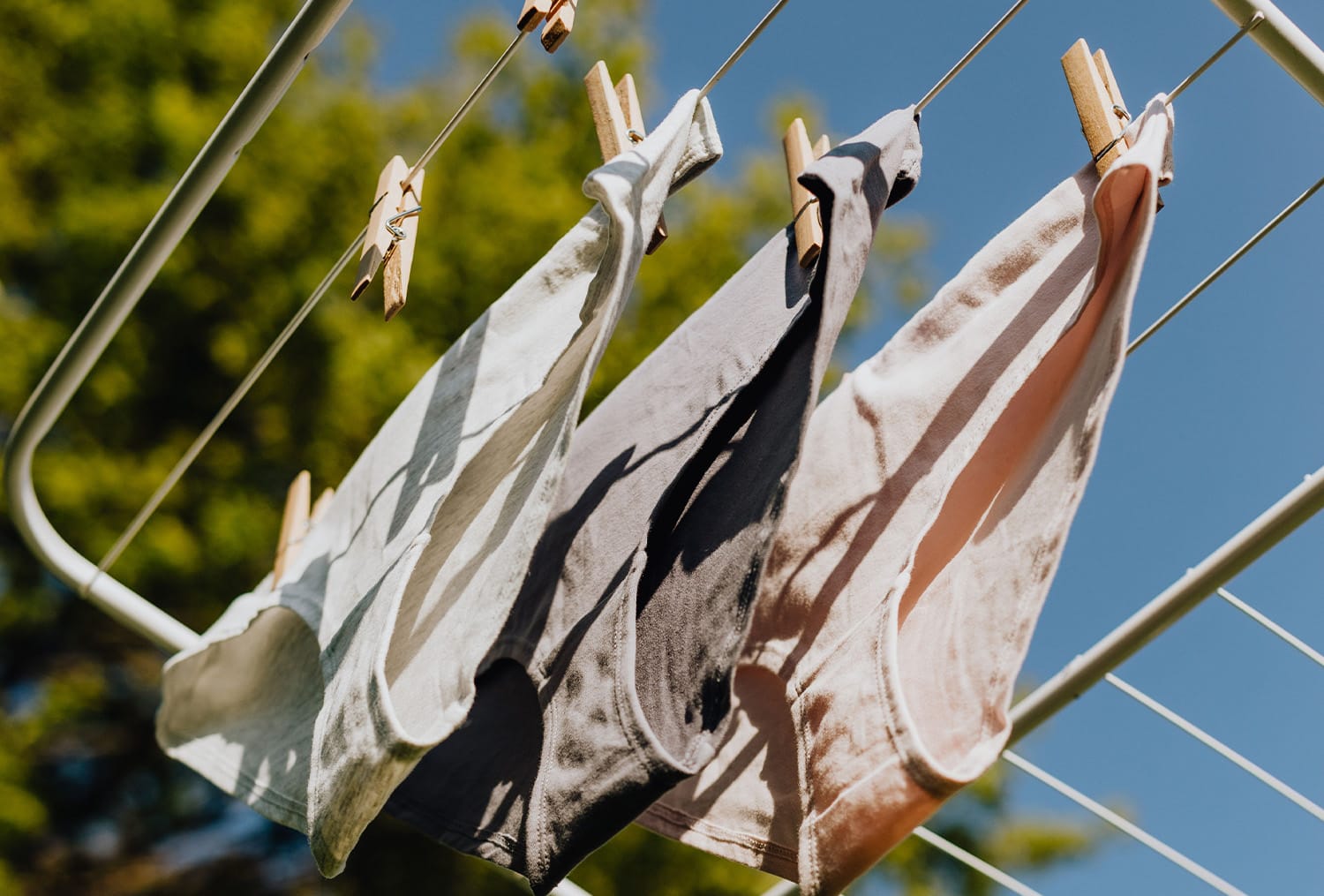
Upgrade your underwear to 100% cotton
Synthetic fibers are likely present throughout your wardrobe, but simply swapping out your synthetic underwear can be particularly impactful. Synthetic fabrics contain chemicals that can migrate into sweat and come in contact with your skin. Avoiding that exposure is as simple as switching fabrics. Cotton underwear is an affordable and easy-to-find option. Opting for natural fibers instead of synthetic when buying something new is a gradual way to lower your exposure to microplastics.
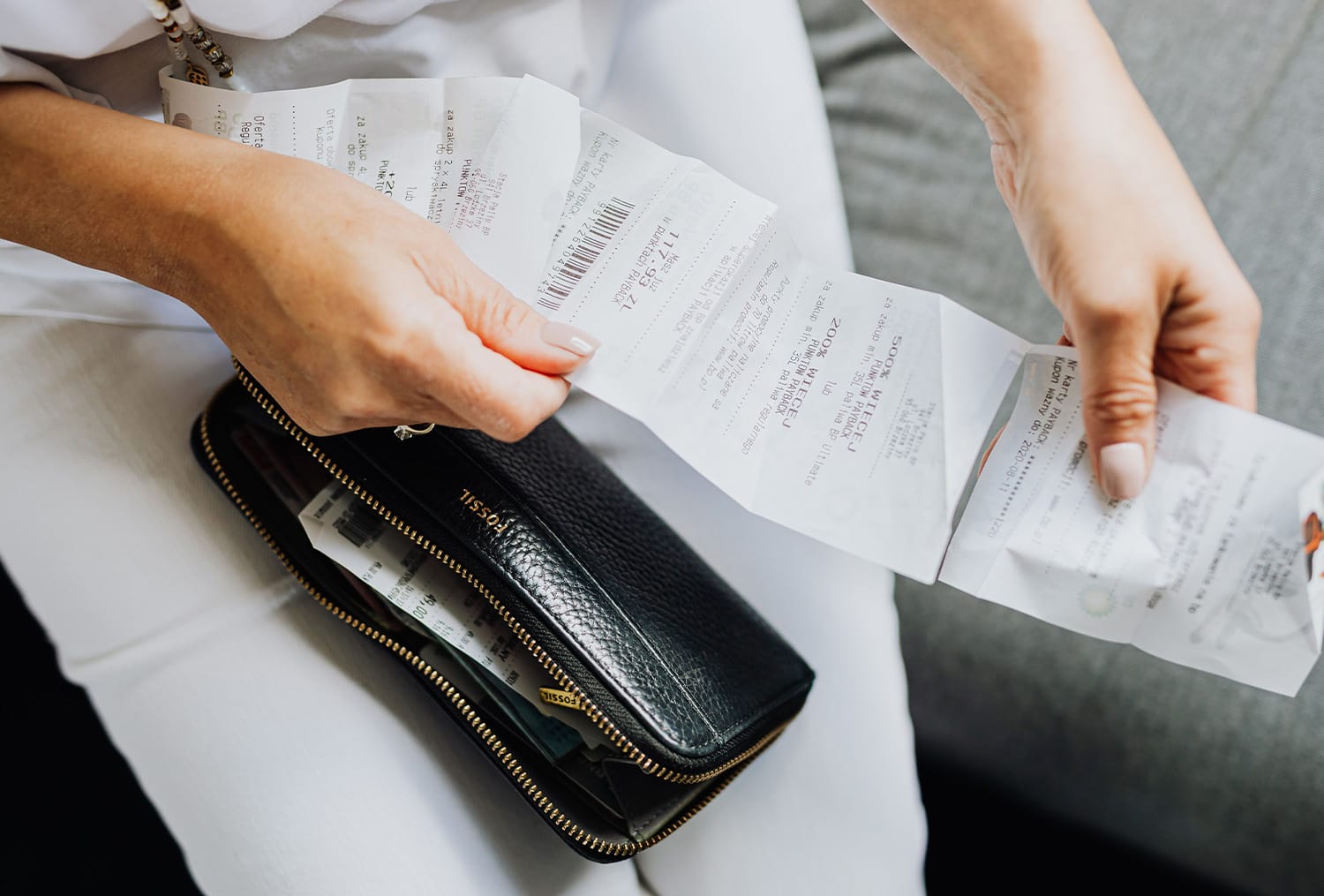
Say, “no, thanks!” to paper receipts
The thermal paper of retail receipts is particularly worrisome on the microplastic front. Most receipt paper contains BPAs that directly transfers to your skin when handled. If you work in retail and regularly have to handle receipt paper, consider wearing nitrile gloves to protect yourself. When out shopping, opt out of a paper receipt whenever possible. Many stores offer an emailed receipt as a convenient alternative.
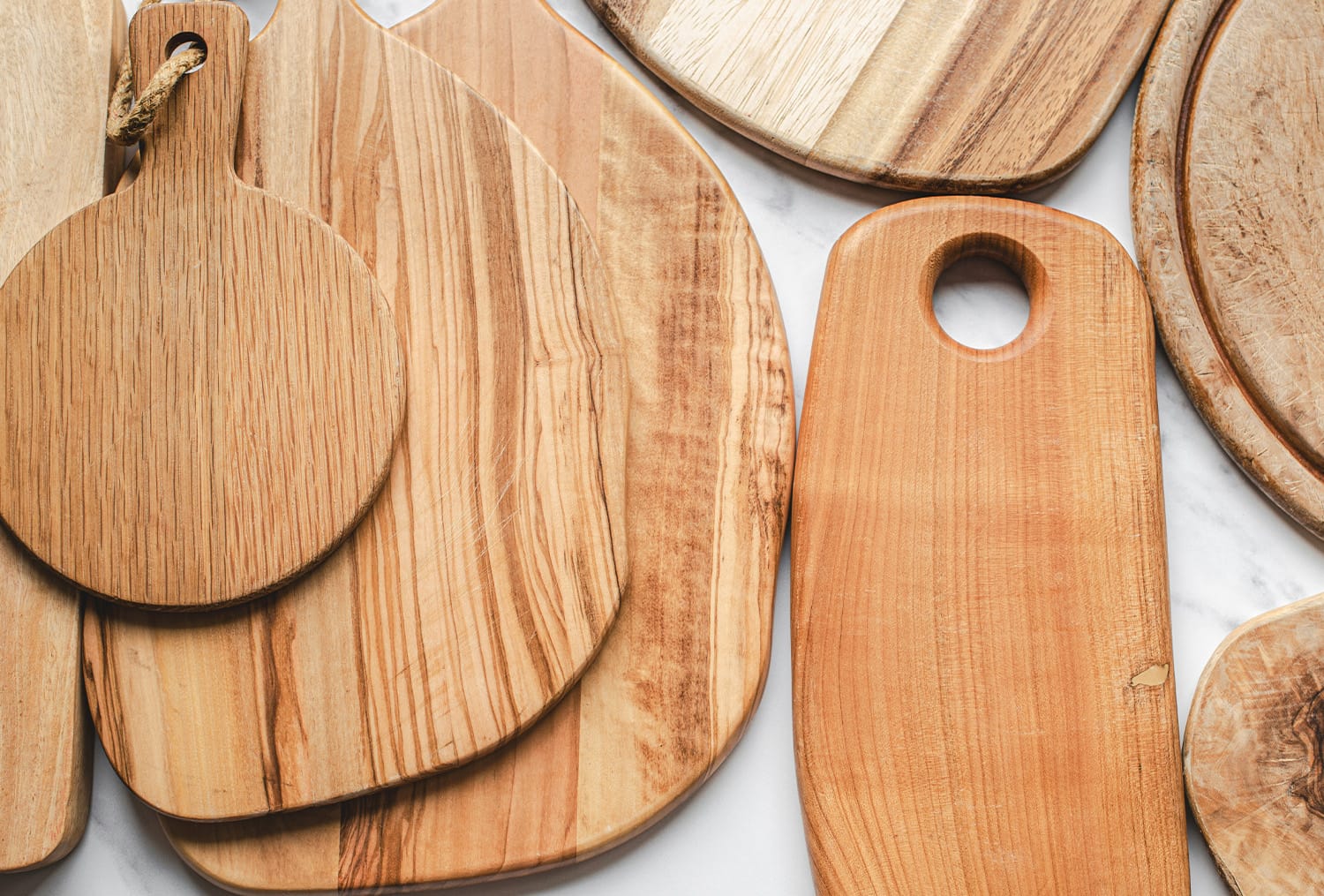
Cut out plastic cutting boards
Plastic cutting boards are lightweight, easy to wash, and affordable, but are a nightmare for microplastic exposure. The sharp edge of your knife shaves off microscopic particles as you chop your food. These particles are immediately intermingled with the food items you are prepping and eventually are ingested. Replace your plastic boards with wooden or titanium boards. Wooden boards will be an affordable option in the short term and could be sourced from a small Catholic business. On the other hand, titanium is known for its durability and resistance to warping, stains, or scratches, so if your budget is prepared to make a long-term investment a titanium board is sure to last.

Rethink your reheat
Even if you can’t avoid storing food in plastic, you can avoid worsening plastic exposure by not heating it in the container. Heat makes plastic shed particles faster, leaching more into your food. Microwaves can be handy, but whenever possible, opt for an alternative way to reheat your food. Toaster ovens or a small sauté pan on the stove can be very convenient for reheating small amounts. If you are going to microwave, transfer food to a glass or ceramic dish first.
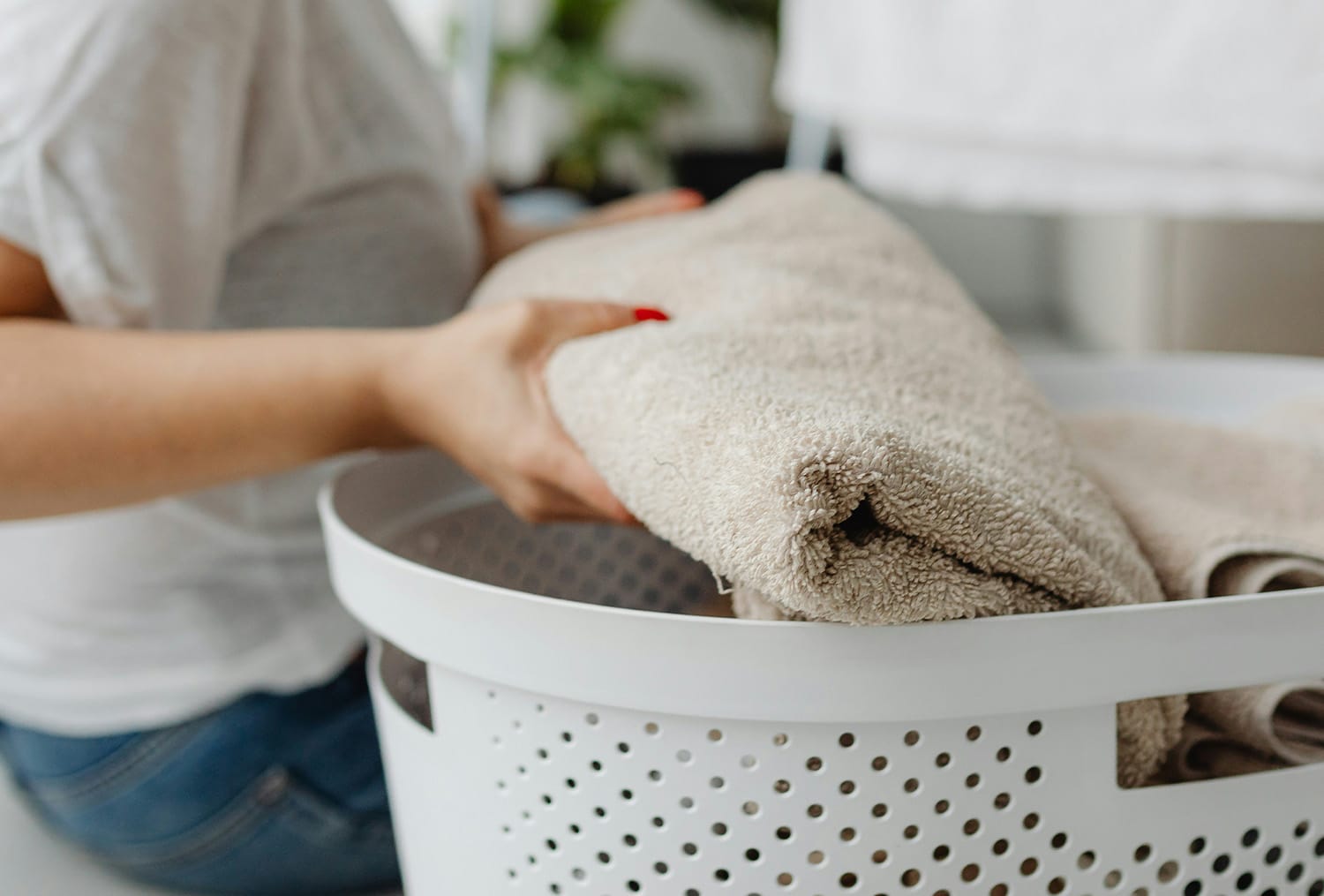
Don't overdo the laundry
This tip is probably the most appealing to busy families! Inevitably, we all have some synthetic fabrics in our wardrobes. Simply being more aware of how often you wash these items can help them shed fewer microplastic particles. The agitation of the washing process could shed microplastics from synthetic fabrics, so getting another wear out of that shirt before washing isn’t just saving on chore time; it's also saving on exposure.
Research on the impact of microplastics on human health has been growing in recent years. Increasing your awareness of microplastics doesn’t have to be expensive. Avoid fear-based marketing tactics and opt for a few sensible swaps. Making all of these changes at once can be overwhelming, but over time, a few key changes can significantly lower your family's exposure.










Comments