Egyptian court refuses to establish Easter Sunday as national holiday
An Egyptian court recently refused to rule on a petition that would establish Easter as a national holiday and grant Christians the right to celebrate the solemnity without incurring penalties.

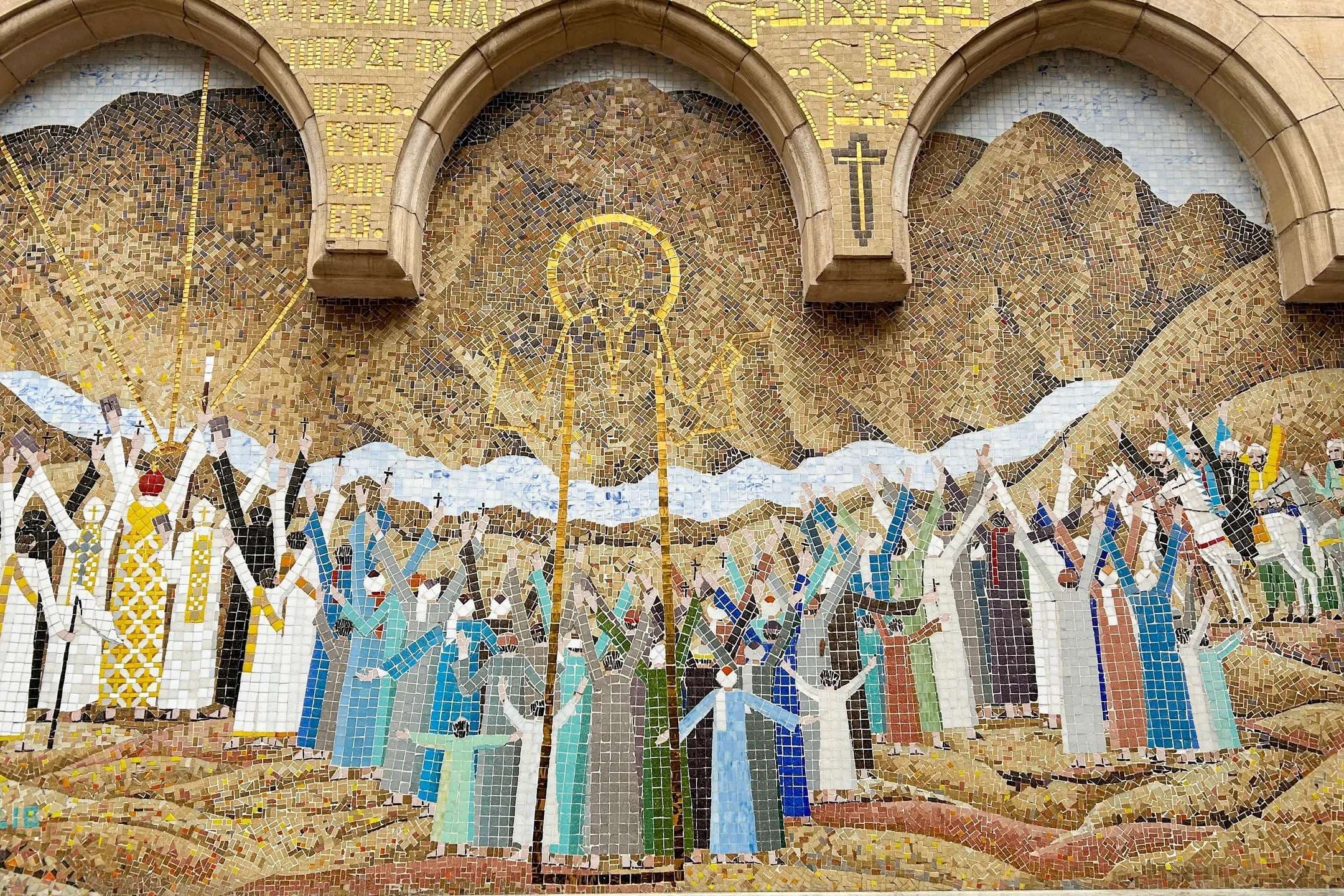
An Egyptian court recently refused to rule on a petition that would establish Easter as a national holiday and grant Christians the right to celebrate the solemnity without incurring penalties.
Alliance Defending Freedom (ADF) International stated in a press release that Sunday is considered a standard working day in Egypt, causing Christians who observe Easter to miss work and school obligations and face penalties such as loss of pay, workplace discrimination, and academic consequences for absences.
The court said that the petition did not fall under its jurisdiction, saying that it instead must be decided by Prime Minister Mostafa Madbouly.
Kelsey Zorzi, ADF International’s director of advocacy for global religious freedom, stated in the release that the court’s refusal to take the case “leaves Christians in Egypt unable to worship freely and without fear of penalty or discrimination on the most sacred day of their faith.”
“This is about far more than the recognition of a holiday—it is about the denial of a legal right to worship for Christians who already face ongoing and severe religious persecution,” she added.
ADF International argued that since Christians — especially Coptic Christians — make up a significant part of Egypt’s population, with Muslims constituting the majority, adding Easter Sunday to the calendar would have “corrected a longstanding inequality affecting one of the country’s two primary religious communities on the most important day of its calendar.”
The legal nonprofit also pointed out that ignoring Easter Sunday is not the first time Egypt has discriminated against Christians, noting that broader religious freedom violations are occurring. The country’s blasphemy laws unjustly target Christians for expressing their religious beliefs or values, and Christian converts are not formally recognized as Christians by the government. These and similar violations recently led the U.S. Commission on International Religious Freedom to recommend that Europe be placed on the U.S. State Department’s Special Watch List.
“Religious freedom includes the ability to live out one’s faith in practice and in community — not only in private belief,” Zorzi stated. “The Court refused an opportunity to ensure that Egypt’s Christian community can fully observe the holiest day of their faith without penalty.”
.jpg&w=3840&q=75)







Comments