Fairy tale relationships: Should you really be ‘testing’ your potential spouse?
While important, ensuring compatibility in romantic relationships should not employ excessive or tricky tests of partners. Rather, look to the testing of characters in fairy tales of old for guidance on discerning character and compatibility.

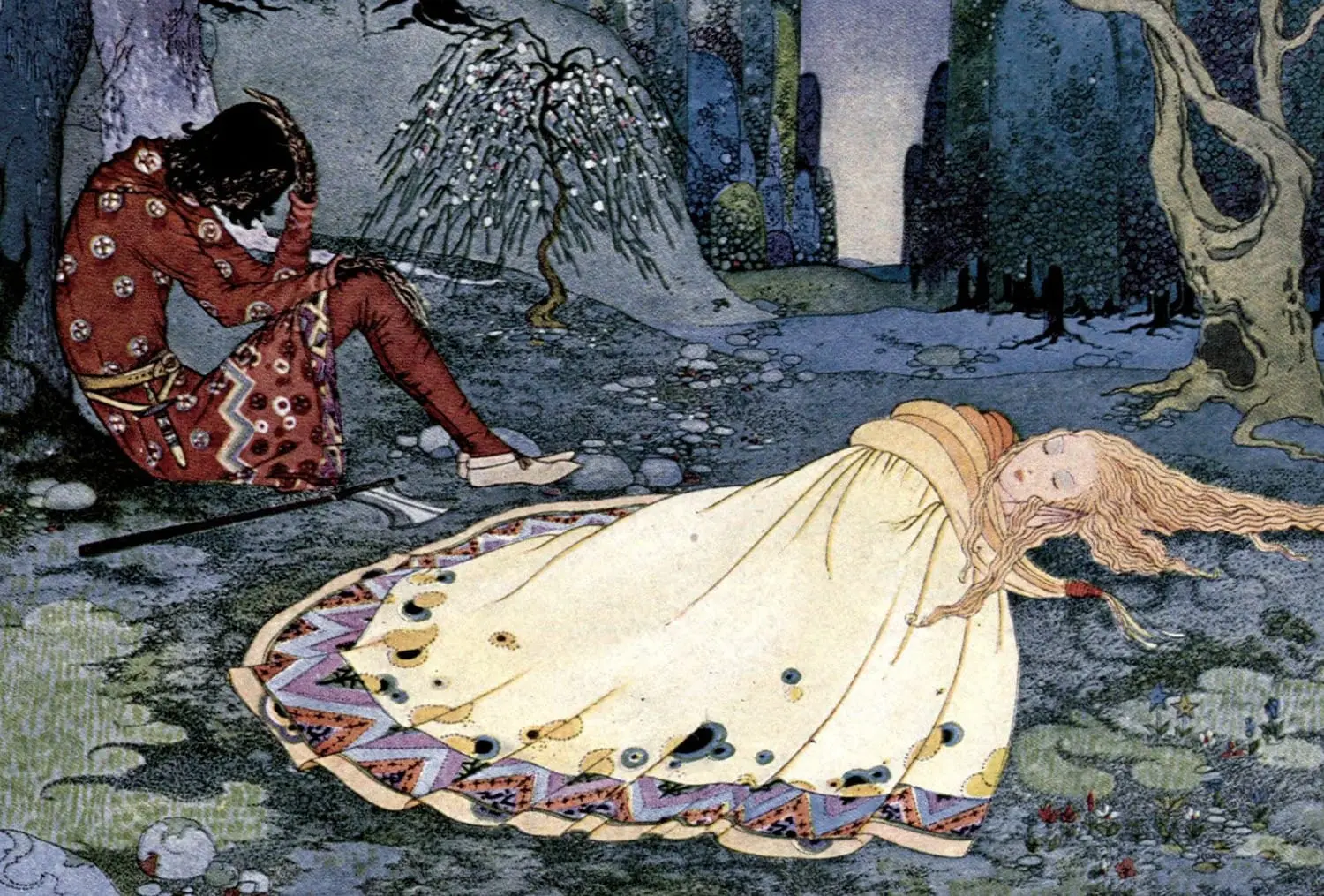
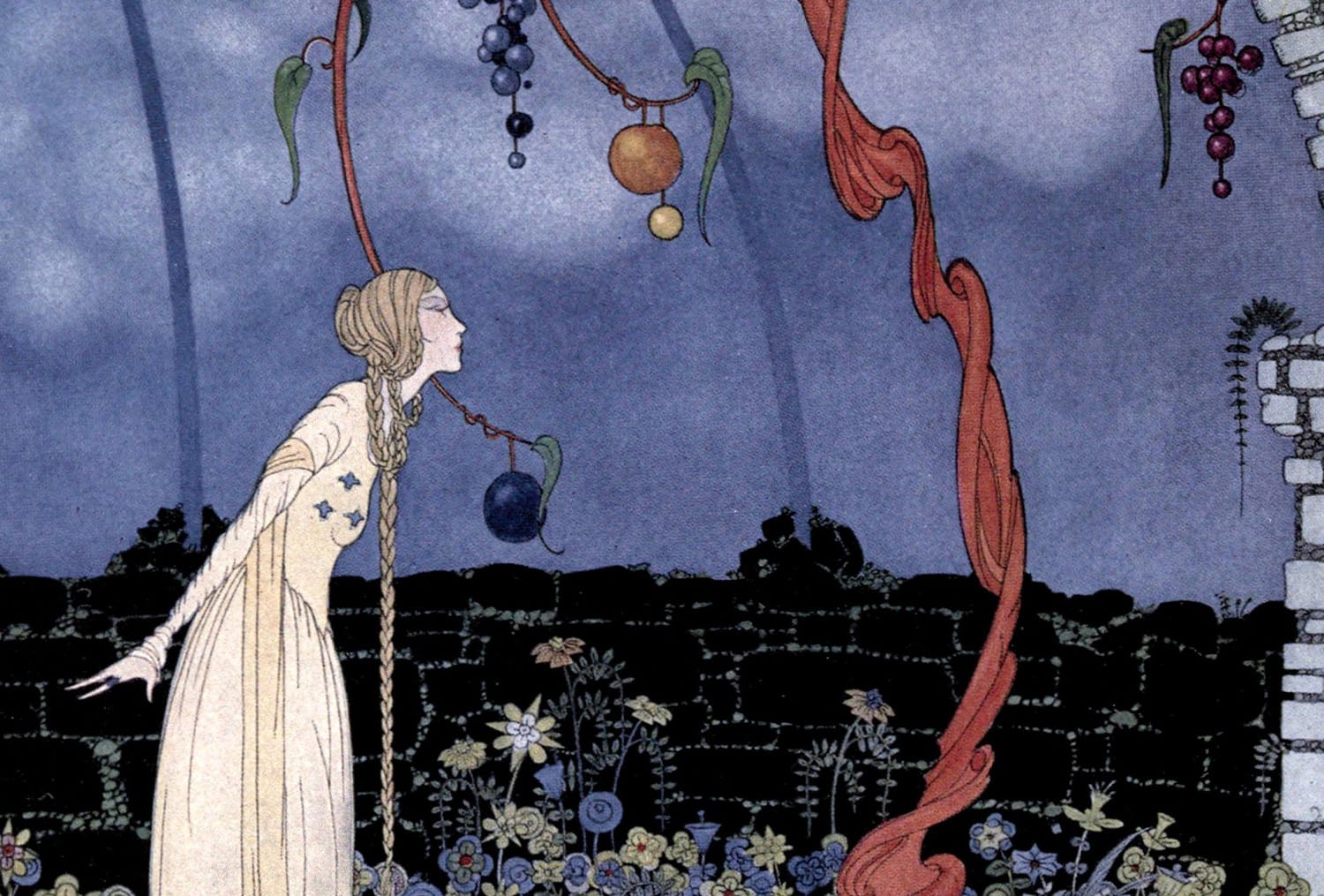
From ancient Greek mythology to Grimm’s fairytales, folklore is full of tests of character. An enchantress disguises as an old beggar, blessing those who help her and cursing those who spite her. A suitor must complete an impossible task before winning the princess’ hand. A princess is faced with an ugly beast, and when she treats it kindly, it turns into a king.
Unfortunately, in modern dating discourse, it seems that people have started putting a nasty spin on these tests. It’s not hard to find dating advice from both men and women, on the left and right, to put a potential suitor through all sorts of tests, even on a first date. “If he doesn’t take you to a fancy restaurant, it’s a red flag and he won’t be able to provide!” “Ask her these questions, and if she doesn’t answer correctly, she’s a toxic feminist who won’t submit to you!”
To understand why approaching courtship in this way is disordered, we need to take a deeper look at the tests in fairy tales, and what they are teaching us. Then we can apply these lessons to how modern couples ought to discern each other’s characters — without resorting to trickery or disguises.
Fairy tale tests
Two of the most well-known tests appear in numerous fairy tales across time and cultures. Both reveal deep truths about the human condition and relationships.
The disguised aide
One of the most common tropes in fairy tales is the disguised aide like in Charles Perrault’s “Diamonds and Toads,” sometimes also called “The Fairies.” A fairy, or some other benevolent creature, is disguised as a vulnerable creature or person in need. If the passer-by helps the creature, he or she is rewarded with gifts that often lead to a happy marriage.
This trope echoes back to Christ’s words in the Parable of the Sheep and Goats, recorded in the Gospel of Matthew. In the parable, Our Lord identifies Himself with the poor, the sick, and the hungry, teaching us that the way we treat the vulnerable is the way we treat Him.
The cursed prince or princess
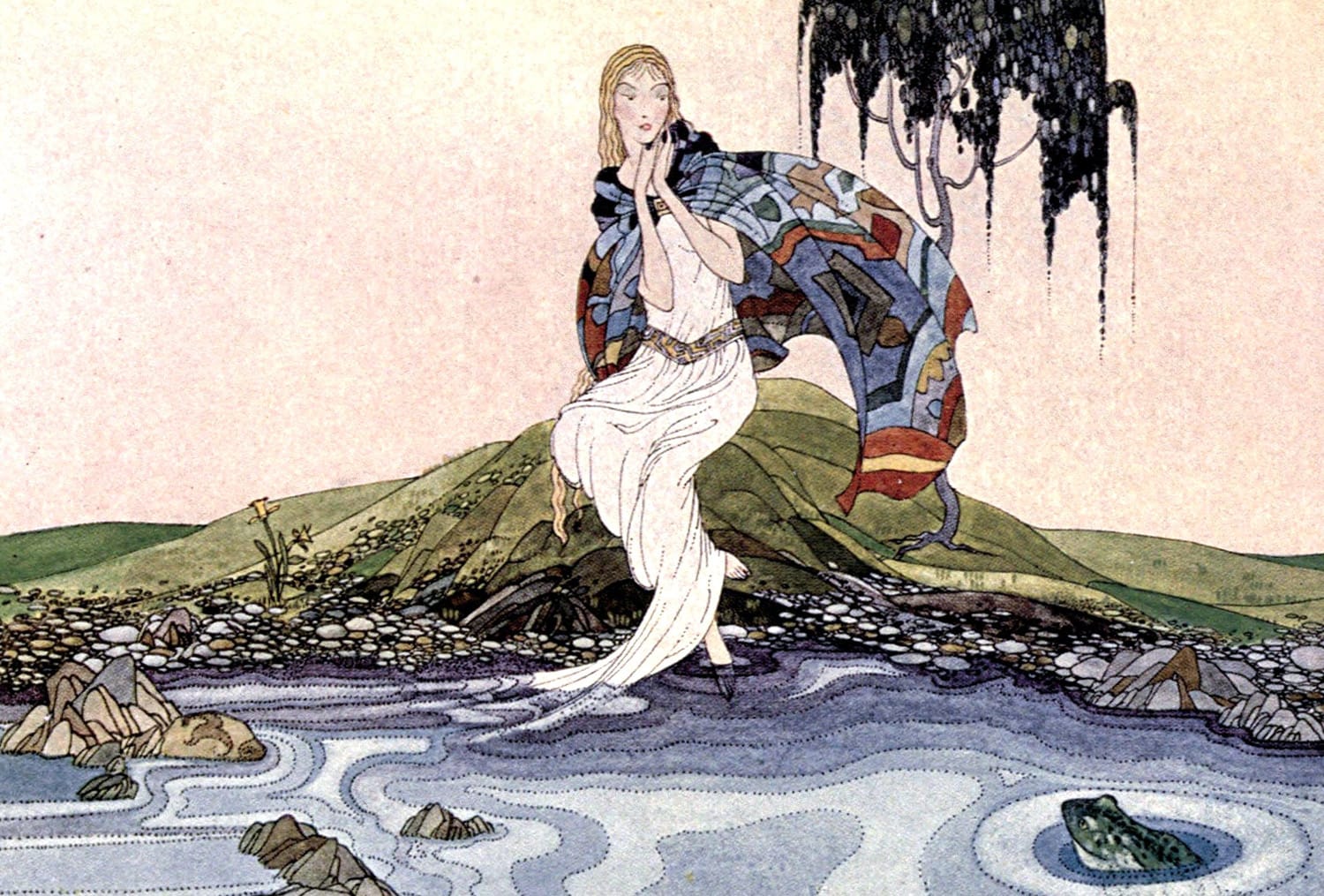
Another trope is the cursed prince or princess. In the case of the prince, he is often turned into an ugly creature (like “Beauty and the Beast” or “The Princess and the Frog”), and only the love of a princess can save him. Princesses, meanwhile, may be under a spell of sleep or death (“Snow White” or “Sleeping Beauty”), until the prince awakens her with a kiss.
This trope reminds us of two things: that love requires vulnerability, and that romantic love is a gift bestowed, not a right that one is entitled to. The cursed prince asking for love opens himself to rejection, while the freely bestowed gift of love, not coerced or earned, breaks the curse.
‘Tests’ in real life
The power of tests in fairy tales lies in the symbolism behind them and their applicability in real life.
In the case of a disguised magical aide, the fairy-in-disguise serves the purpose of a community in real life. Traditionally, parents, friends, and trusted older adults were involved in young people’s courtships, helping them recognize qualities like compassion, stability, and piety in a potential spouse.
How does this translate into modern-day dating? You should involve your family and friends in the dating process. See how your boyfriend or girlfriend treats the most vulnerable around you — a grandmother whose memory is starting to fail, a mischievous younger brother, a niece or nephew with special needs. If you’ve introduced your significant other to your family and they have a concern, hear them out. Sometimes we can be blinded by infatuation and miss troubling traits.
Fear of vulnerability
The cursed prince or princess shows us something that is at the heart of the modern dating divide — the importance of vulnerability and the gift of love. It also explains why we can’t run simple behavioral tests at the beginning of a relationship.
Several Catholic content creators encourage their followers to “test” a new boyfriend or girlfriend’s virtues in various capacities. Some involve requests for changes in behavior early on in the relationship. Others insist on looking for certain extremely specific behaviors and opinions.
Consider a woman who is concerned about marrying somebody with alcoholic tendencies. She could ask on every first date that the gentleman across from her will promise to never get drunk, but that approach fails to get to know him as a person and merely attempts to control outcomes. She would be better off discerning his character in different settings over time.
Such artificially manufactured tests reveal a fear of heartbreak and rejection. Rather than taking the time to get to know somebody, our aversion to potentially breaking up leads us to attempt to guarantee behavior from the outset of the relationship.
Discerning marriage requires vulnerability. You have to date somebody long enough to see their different sides, including the moments when they turn into an ugly frog, and decide whether this is somebody you can choose to love for the rest of your life.
Which brings us to the second point — romantic love is a gift, not a right. A woman does not owe a man a “yes” simply because he asks her out, just as a man does not owe a woman marriage simply because they have dated for a few months. The whole process of dating and courtship is to decide whether or not to give this other person your full love in the sacrament of marriage. Only after the wedding vows is your spouse owed your love and fidelity till death do you part.
Conclusion
Fairy tales help fuel our imaginations and form our hearts and minds, and, as long as they are not taken too literally, they can be a helpful roadmap for modern relationships. So let your fairy godmother give you unsolicited advice, don’t freak out if your boyfriend turns into a frog, and watch how your girlfriend treats the wounded creatures that cross her path. Enjoy the romance, remember that it is a gift, and keep your eyes on the end goal: finding someone with whom you can move toward Heaven.









Comments