Fauci pleads Fifth dozens of times as Paul orders lawyer removed from COVID hearing
The former NIAID director refused to answer questions about Wuhan funding, gain-of-function research, federal records, and intelligence contacts as Republicans threatened consequences and Democrats denounced a political “show trial.”
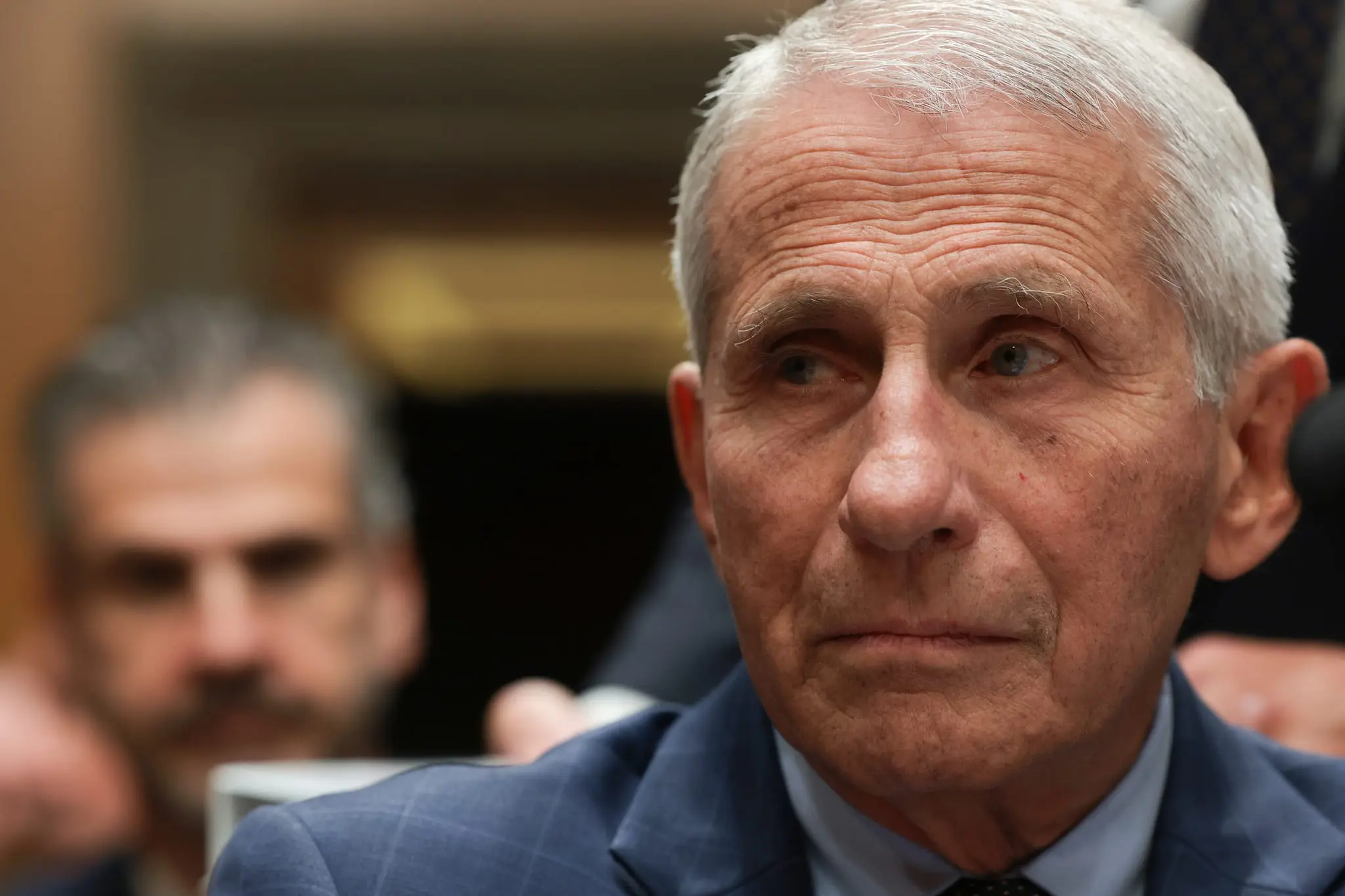
Former National Institute of Allergy and Infectious Diseases Director Anthony Fauci invoked the Fifth Amendment dozens of times during a combative July 29 Senate hearing on the origins of COVID-19 and the federal response to the pandemic.
Appearing under subpoena as the sole witness before the Senate Homeland Security and Governmental Affairs Committee, Fauci declined to answer questions about U.S.-funded research in China, intelligence contacts, and federal records. The confrontation followed committee Chairman Rand Paul’s release of 1,141 pages of Fauci’s private pandemic journals, as Zeale News reported Tuesday.
“On the advice of counsel, I respectfully decline to answer based upon my rights under the Fifth Amendment to the Constitution,” Fauci said again and again, according to Associated Press coverage of the hearing.
In an opening statement, Fauci accused Paul of conducting an “unhinged” campaign against him and said the senator’s “obvious obsession” was aimed at eliciting a statement that could be used to put him “behind bars.” Fauci has long denied that he lied to Congress or participated in a cover-up of COVID-19’s origins.
Paul then put 15 questions to Fauci, who invoked the Fifth in response to each one, Reuters reported. The chairman asked about gain-of-function research on monkeypox, work coordinated with the CIA or other intelligence agencies, and whether Fauci still believed the benefits of gain-of-function research outweighed its risks.
“The committee will have to consider after this hearing what appropriate action should be taken against you for the failure to testify after being directed to do so,” Paul told Fauci. “It’s against the law to obstruct an investigation of Congress. There will be repercussions to your refusal to testify today.”
The hearing’s most chaotic exchange came when Fauci attorney David Schertler attempted to address the committee without being recognized. Paul warned that the hearing was testimony from Fauci and “not a game with his lawyers.”
“He is not recognized by the committee or the chair,” Paul said. “If he speaks again, he will be removed from the room.”
When Schertler continued, Paul called for Capitol Police: “Please remove him from the room.” The lawyer left alongside security after briefly placing a hand on Fauci’s shoulder. Ranking Democrat Gary Peters of Michigan objected and said he wanted to hear from the attorney. Paul responded that Fauci would retain “the advice of the other half a dozen attorneys that he brought along today,” the AP reported.
Schertler later called Paul’s investigation an “obsessive vendetta” and the accusations against Fauci “false and disgraceful.”
Sen. Josh Hawley, R-Mo., highlighted the breadth of Fauci’s refusal by moving from pandemic questions to seemingly innocuous facts. He asked Fauci what day of the week it was, what color tie he was wearing, and what color the carpet was in front of him. Fauci gave the same Fifth Amendment response each time.
“Well, nothing says honesty like taking the Fifth, huh, doc?” Hawley said.
Sen. Bernie Moreno, R-Ohio, had an aide hand Fauci a pocket Constitution, then asked him to look at audience members whom the senator said had been shamed for dissenting from pandemic policies. Recalling a mother’s arrest at an outdoor football game over a mask rule, Moreno demanded, “Who the f— do you think you were for doing that?” Fauci again declined to answer.
Invoking the Fifth Amendment is not an admission of guilt; it protects a witness from being compelled to provide potentially incriminating testimony. The dispute during the July 29 hearing was whether former President Joe Biden’s preemptive pardon left Fauci with such a risk.
Biden granted Fauci a “full and unconditional pardon” for covered federal offenses from Jan. 1, 2014, through Jan. 19, 2025. The Supreme Court has held that a witness generally may not invoke the privilege concerning an offense for which a pardon has removed the threat of prosecution. But Biden’s pardon cannot cover a later offense, including a knowingly false statement made after its date. An effort to compel testimony or pursue contempt could therefore turn on the scope of individual questions and the pardon.
Paul’s investigation centers on whether Fauci misled Congress about federal funding that reached the Wuhan Institute of Virology and whether officials concealed records relevant to the origins of COVID-19. Fauci testified in 2021 that the NIH “has not ever and does not now fund gain-of-function research” at the Wuhan laboratory.
The Government Accountability Office later confirmed that federal money passed through EcoHealth Alliance to bat-coronavirus research at the Wuhan institute. Former NIH acting director Lawrence Tabak acknowledged in 2024 that the work met an ordinary, broad meaning of gain-of-function research. Fauci and the NIH maintain that it did not meet the narrower federal regulatory definition and that the viruses studied were too genetically distant from SARS-CoV-2 to have produced the pandemic virus.
The records inquiry intensified after Paul released two Fauci emails bearing the instruction, “Please delete this e-mail after you read it.” Fauci previously testified that he had not deleted federal records or obstructed public-records requests. His former senior adviser David Morens was indicted in April on charges related to concealing federal records. Fauci denies knowing about Morens’ alleged conduct, and prosecutors have not charged Fauci.
Democrats said the hearing was designed to produce a spectacle. Peters called the inquiry biased and predetermined, while Sen. Richard Blumenthal, D-Conn., called it a “campaign against science” and a “show trial.” More than 150 scientists signed a letter saying there was no credible evidence for criminal charges against Fauci and urging an end to what they called “witch-hunts.”
Republicans argued that Fauci’s refusal deepened rather than resolved the questions surrounding his testimony and pandemic decisions.
Paul closed his questioning without the answers he had sought. Whether the committee moves toward a contempt referral or another effort to compel Fauci’s testimony will now determine whether the repeated invocations end the inquiry — or open its next phase.

.jpg&w=3840&q=75)


Comments