Feast of St. Jerome points Catholics to Scripture as a way to know Christ
St. Jerome devoted decades to studying and translating the Bible, leaving a legacy that continues to shape the Church.

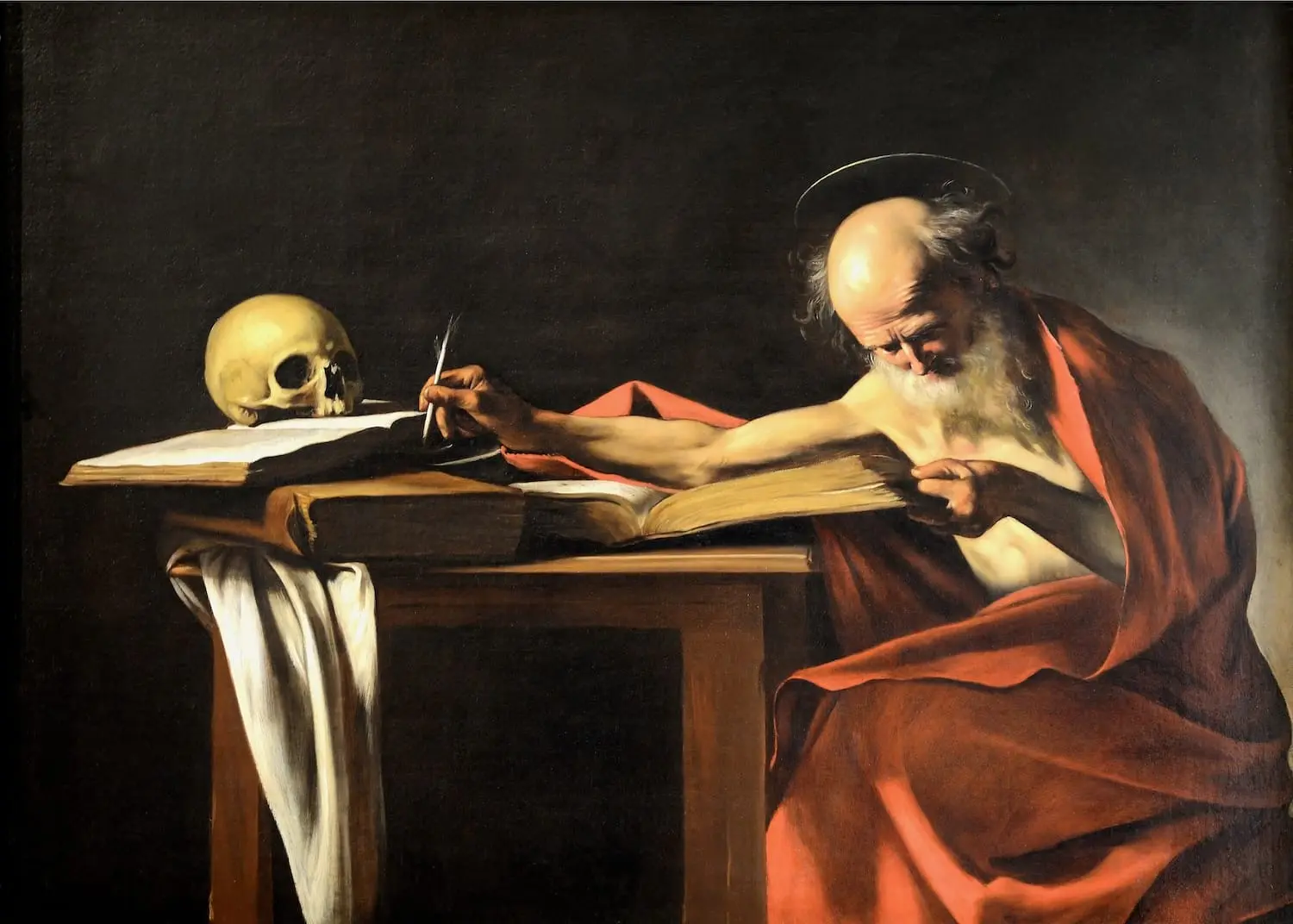
Catholics celebrate the feast of St. Jerome Sept. 30, honoring the priest and Doctor of the Church whose devotion to Scripture helped shape the way generations of Christians have encountered the Word of God.
Best known for his work translating and revising biblical texts in Latin, Jerome devoted much of his life to studying Scripture and helping others understand it. His scholarship was extensive, but his pursuit of the Word of God was rooted in something deeper: a desire to know Christ.
Born in the 4th century in Stridon, in the region of Dalmatia located mainly in modern-day Croatia, Jerome received a strong education and studied in Rome, immersing himself in classical literature, philosophy, and rhetoric. After his baptism, he turned more fully toward the Christian faith and eventually embraced a life centered on prayer and study.
Jerome spent several years as a hermit near Antioch, where he deepened his knowledge of Greek and began studying Hebrew. Those languages would become central to the biblical work that occupied much of the rest of his life.
After his ordination to the priesthood and further study, Jerome returned to Rome, where he served Pope Damasus I. The pope entrusted him with revising the Latin text of the Gospels, beginning work that would become part of Jerome’s lasting contribution to the Church.
Jerome later settled in Bethlehem, where he spent decades studying Scripture, translating biblical texts, and writing commentaries. Drawing on his knowledge of Greek and Hebrew, his work contributed to the Latin biblical tradition that became known as the Vulgate.
For Jerome, however, Scripture was more than an intellectual pursuit.
“Ignorance of Scriptures is ignorance of Christ,” he wrote in his Commentary on Isaiah.
The conviction reflected the intensity with which Jerome approached both Scripture and the Christian life. Known for being forceful in theological disputes, he brought that same determination to studying and explaining the faith.
Jerome remained in Bethlehem until his death in 420, continuing his biblical scholarship and writing. His influence endured long after his lifetime, and the Church recognizes him as one of its Doctors, a title given to saints whose teachings have made an important contribution to Catholic theology and the life of the Church.
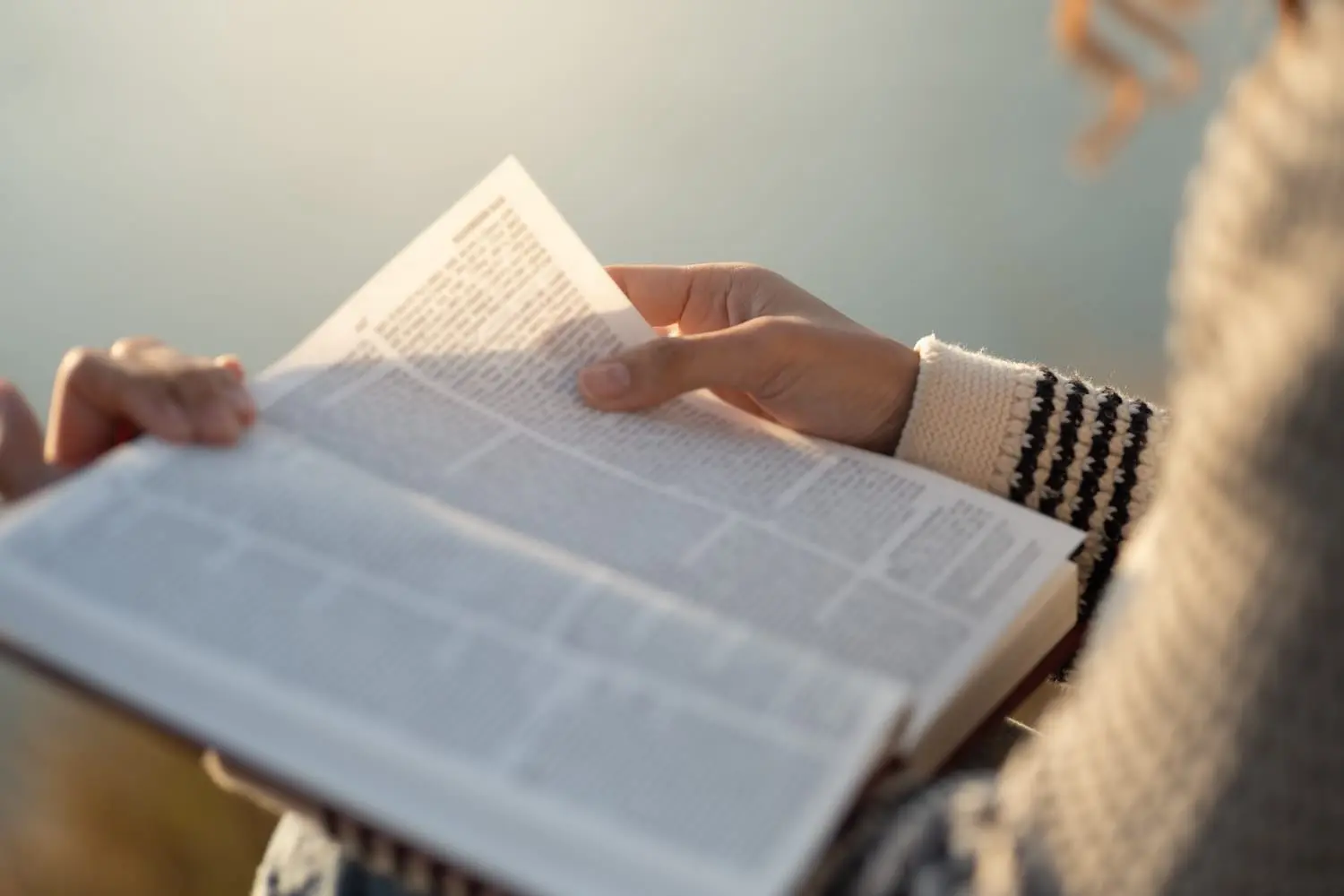
His feast offers Catholics an opportunity to return to the conviction that shaped so much of his life: Scripture leads us to Christ. Jerome devoted years to studying the Word of God in its original languages, but the invitation at the heart of his work is much simpler — to open Scripture, spend time with it, and allow it to draw us closer to Jesus.






Comments