Federal judge orders defiant State Department to restart ‘green card lottery’ program
The State Department has yet to comply with a federal judge’s demand that the agency open registrations for the 2027 Diversity Immigrant Visa program, responsible for importing up to 55,000 foreign nationals annually via a random lottery system.
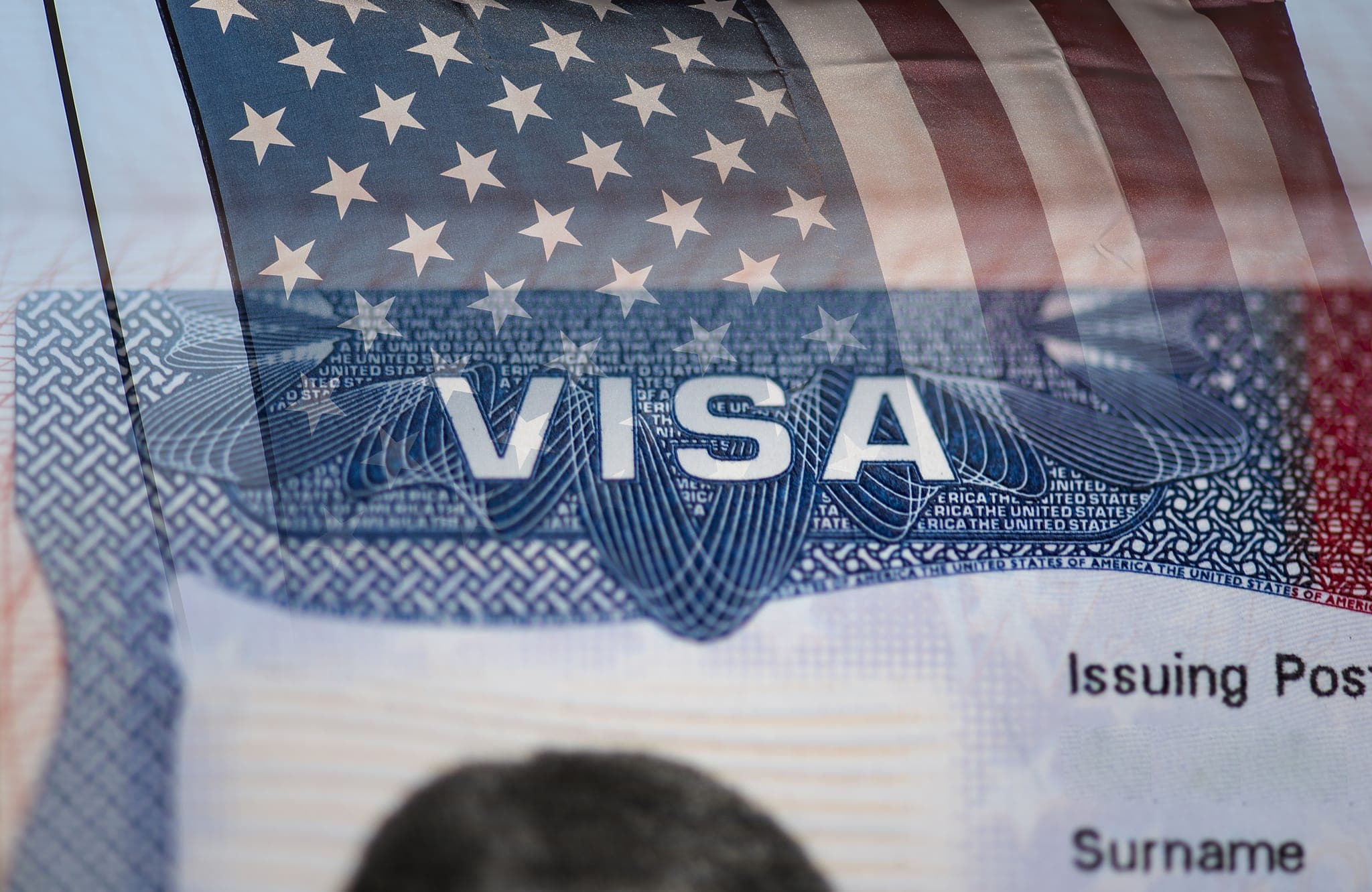
A federal judge is blocking President Donald Trump and Secretary of State Marco Rubio from pausing the 2027 Diversity Immigrant Visa program, nicknamed the “green card lottery.”
U.S. District Judge Jinsook Ohta, an appointee of former president Joe Biden, issued an Oct. 14 preliminary injunction ordering the State Department to reinstate the registration period for the visa lottery program after having failed to open registration and allowing the statutorily required period for registration to expire.
Established by the Immigration Act of 1990 and signed into law by then-president George Bush, the “green card lottery” provides up to 55,000 immigrant visas annually via a lottery system. More than 22 million foreign nationals apply for the program every year.
Those who are selected through the program are awarded an immigrant visa, a permanent visa (as opposed to a temporary or non-immigrant visa) and legal permanent resident (LPR) status, also known as a “green card.” The green card also allows the LPR to apply later on for naturalized U.S. citizenship and to apply for immigrant visas for eligible family members, such as parents, spouses, and children under the age of 21.
The statutes governing the program require the State Department to open a 30-day registration period prior to the end of the fiscal year. This year, the State Department did not open the registration period.
Red Eagle Law, an immigration law firm, filed a lawsuit in August, arguing that the State Department’s failure to open the registration period was impacting Red Eagle Law’s business. Arguing on behalf of the State Department, Justice Department attorney Ian Pike questioned Red Eagle Law’s standing to bring a lawsuit and claimed that it was too late for the State Department to open a registration period.
“Our position is that compliance with the law is a literal impossibility at this point, because the statute says the registration period is for the fiscal year beginning after the end of the period,” Pike said in oral arguments last month. “Thus, if a period ends in fiscal year 2027, that’s the registration period. If it ends in 2027, those visas go to fiscal year 2028.”
While she said that she initially found the State Department’s reasoning compelling, Ohta ultimately ordered that the registration period be opened almost immediately.
“No later than midnight EST, October 15, 2026, Defendant SHALL publicly announce on its official website … the registration period for the fiscal year 2027 Diversity Visa Program,” she wrote in her Oct. 14 injunction. “Defendant SHALL open the registration period for the fiscal year 2027 Diversity Visa Program by midnight EST October 18, 2026, and the registration period shall last for thirty days.”
As of Oct. 16, the State Department has made no announcement related to reopening the registration period for the Diversity Immigrant Visa program.
Andrew R. Arthur, resident fellow in law and policy at the Center for Immigration Studies and a former immigration court judge, told Zeale News that the Diversity Immigrant Visa program has long been plagued with allegations of fraud.
“I would argue that because the only applicants for DV are foreign nationals who cannot immigrate here through family or business ties (the traditional methods of receiving a green card), the program promotes the immigration of people who are not necessarily attached to our country or values, and it can be easily exploited by hostile foreign governments and terrorist organizations,” Arthur said.
While critics may have a point about the threats to U.S. stability and safety posed by the program, Arthur pointed out that it is officially mandated by the Immigration and Nationality Act.
“The Trump administration doesn’t like it for a number of reasons — not least being fraud and national security concerns — but for now, it’s going to have to live with it,” he concluded.



Comments