Financial analyst details how SPLC indictment centers on alleged false statements to banks
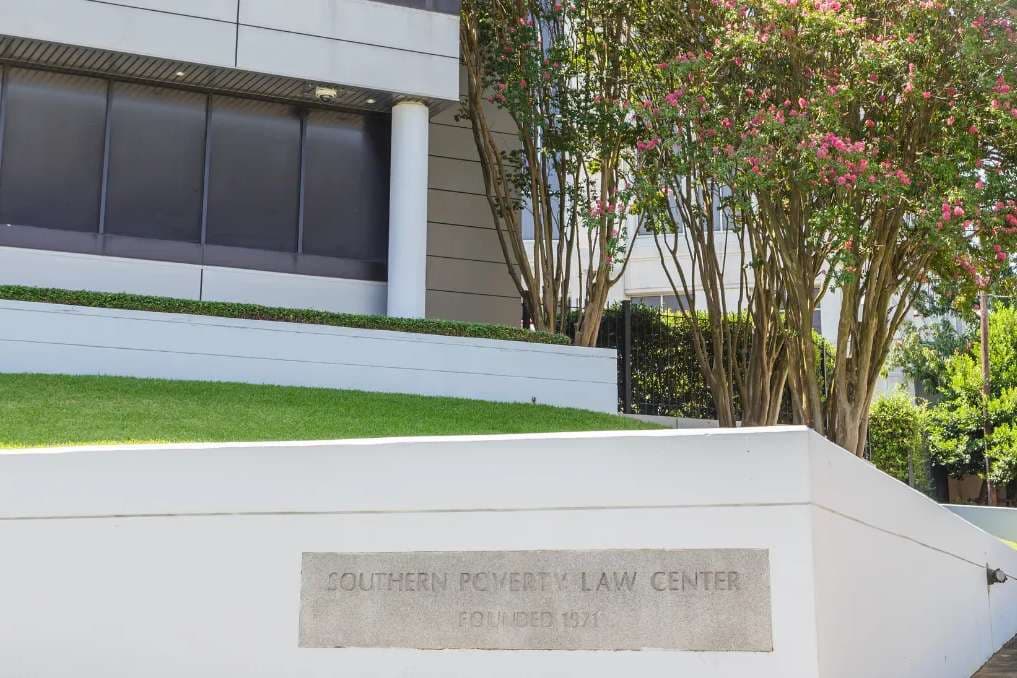
Financial systems analyst Patrick McKenzie explained in a detailed, independent analysis that the Southern Poverty Law Center (SPLC) faces serious bank fraud charges stemming from claims that it opened bank accounts under fictitious names to pay secret informants. He also highlighted how the prominent group built significant influence within banking and corporate systems used to screen and blacklist organizations.

Financial systems analyst Patrick McKenzie explained in a detailed, independent analysis that the Southern Poverty Law Center (SPLC) faces serious bank fraud charges stemming from claims that it opened bank accounts under fictitious names to pay secret informants. He also highlighted how the prominent group built significant influence within banking and corporate systems used to screen and blacklist organizations.
As Zeale News previously reported, a federal grand jury in Alabama indicted the SPLC on April 21 over an alleged secret, years-long program in which the organization funneled donated funds to informants associated with extremist groups it publicly claimed to oppose. The indictment includes 11 criminal counts: six counts of wire fraud, four counts of making false statements to banks, and one count of conspiracy to conceal money laundering.
>> Indictment alleges SPLC funneled $3M to extremist groups, advocacy group urges restitution <<
In a May 1 essay published through his “Bits about Money” newsletter, McKenzie argued the core legal issue is not the SPLC’s longtime use of informants, which he noted had been publicly known for decades, but rather whether the organization misled federally insured banks by opening accounts under fictitious business names.
The bank fraud allegations
According to indictment excerpts cited in the essay, SPLC employees allegedly opened bank accounts under names such as “Center Investigative Agency,” “Fox Photography,” and “North West Technologies” to move money connected to the organization’s intelligence operations.
When one bank investigated the accounts in 2020, an SPLC employee requested that they be closed and the remaining balances transferred to an official SPLC account. Later, the SPLC’s president and CEO allegedly sent a letter confirming the accounts “were opened for the benefit of Southern Poverty Law Center operations and operated under the Center’s authority.”
“This written communication is a succinct confession to bank fraud,” McKenzie, a longtime analyst of banking compliance and anti-money laundering systems, wrote.
He explained that under 18 U.S.C. §1014, it is a serious federal crime — punishable by up to 30 years in prison — to knowingly make any false statement to a federally insured bank, regardless of the reason or how small the lie appears.
“Lying to a bank is a crime,” McKenzie wrote.
SPLC’s role in financial screening and blacklisting
McKenzie also highlighted what he sees as a notable irony in the issue: The SPLC has long been embedded in the very financial and corporate compliance systems that decide who can receive money.
Banks, payment processors, and tech platforms routinely use third-party “data products” for screening, much as they check government sanctions lists. According to McKenzie, some incorporated the SPLC’s “Extremist Files” and hate group database into their processes.
For example, Amazon used SPLC data in its former AmazonSmile charity program to determine which charities to exclude. Mckenzie quoted Amazon founder Jeff Bezos telling Congress that his company relied on the SPLC “to say which charities are extremist organizations” and thus shouldn’t receive funding.
Workplace-giving platforms and some financial institutions also used SPLC classifications to screen donations and accounts, he said, which in practice gave the organization substantial indirect influence over financial flows.
Through the “Change the Terms” coalition, which the SPLC helped lead, the group and its allies held numerous meetings with major companies, including Facebook, Twitter, Visa, Mastercard, and others. They pushed for stricter policies on content, blacklisting, and funding cuts, according to McKenzie.
He noted that these efforts, which began targeting fringe hate groups, later expanded to mainstream conservative organizations and Trump-affiliated organizations after 2016.
One fundraising letter from Free Press — a member of the “Change the Terms” coalition — celebrated that “Twitter finally banned Trump” and said activists were pushing Facebook “to permanently ban Trump and to close a loophole that’s allowing a Trump PAC to fundraise and organize on his behalf.”
McKenzie acknowledged that some observers may view the prosecution as politically motivated retaliation against the SPLC following Trump’s return to office. But he argued that political motivations do not necessarily invalidate the legal case, and laws should be enforced consistently regardless of political sympathies.




Comments