For first time in 14 years, priests’ feet will be washed by pope during Holy Thursday Mass
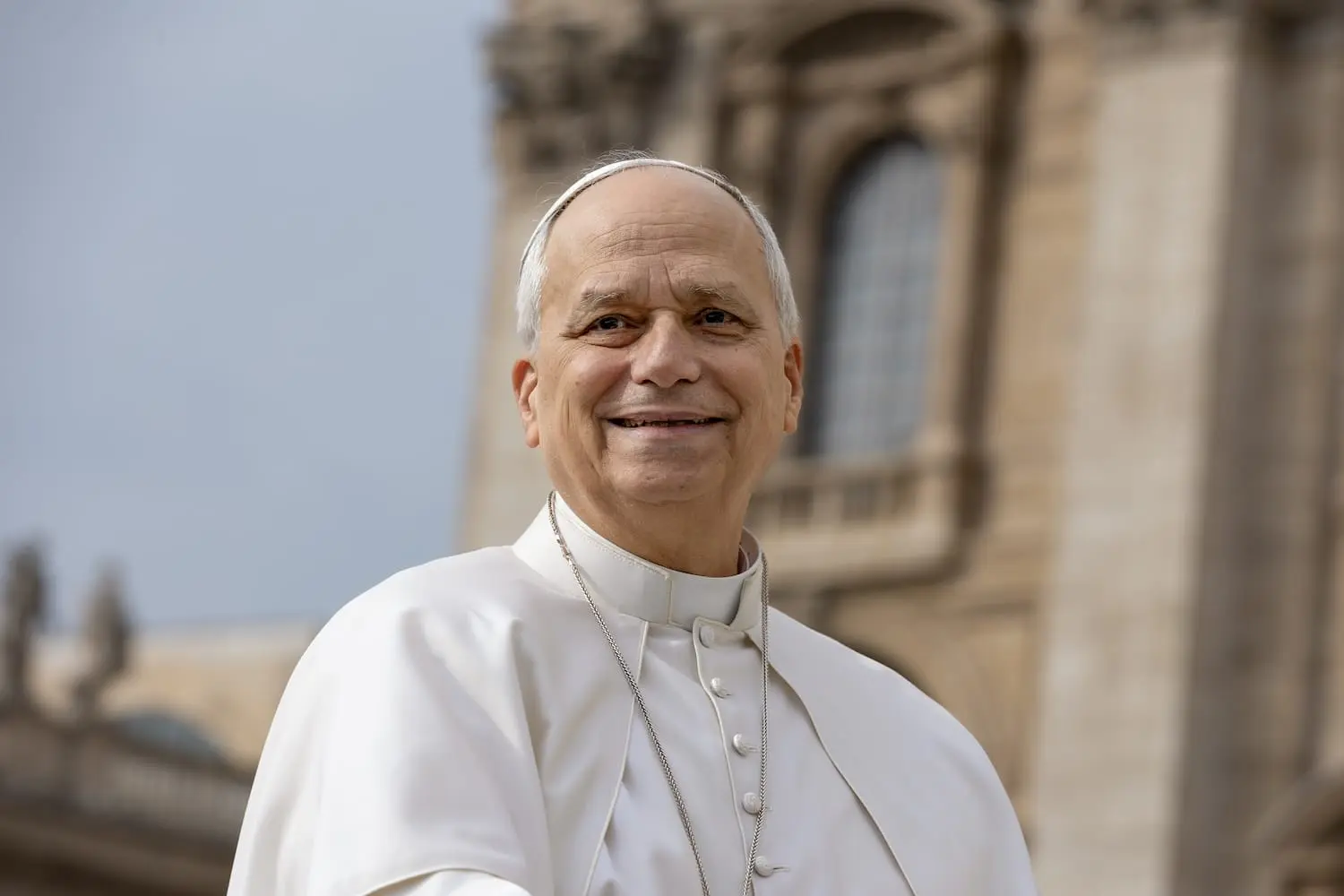
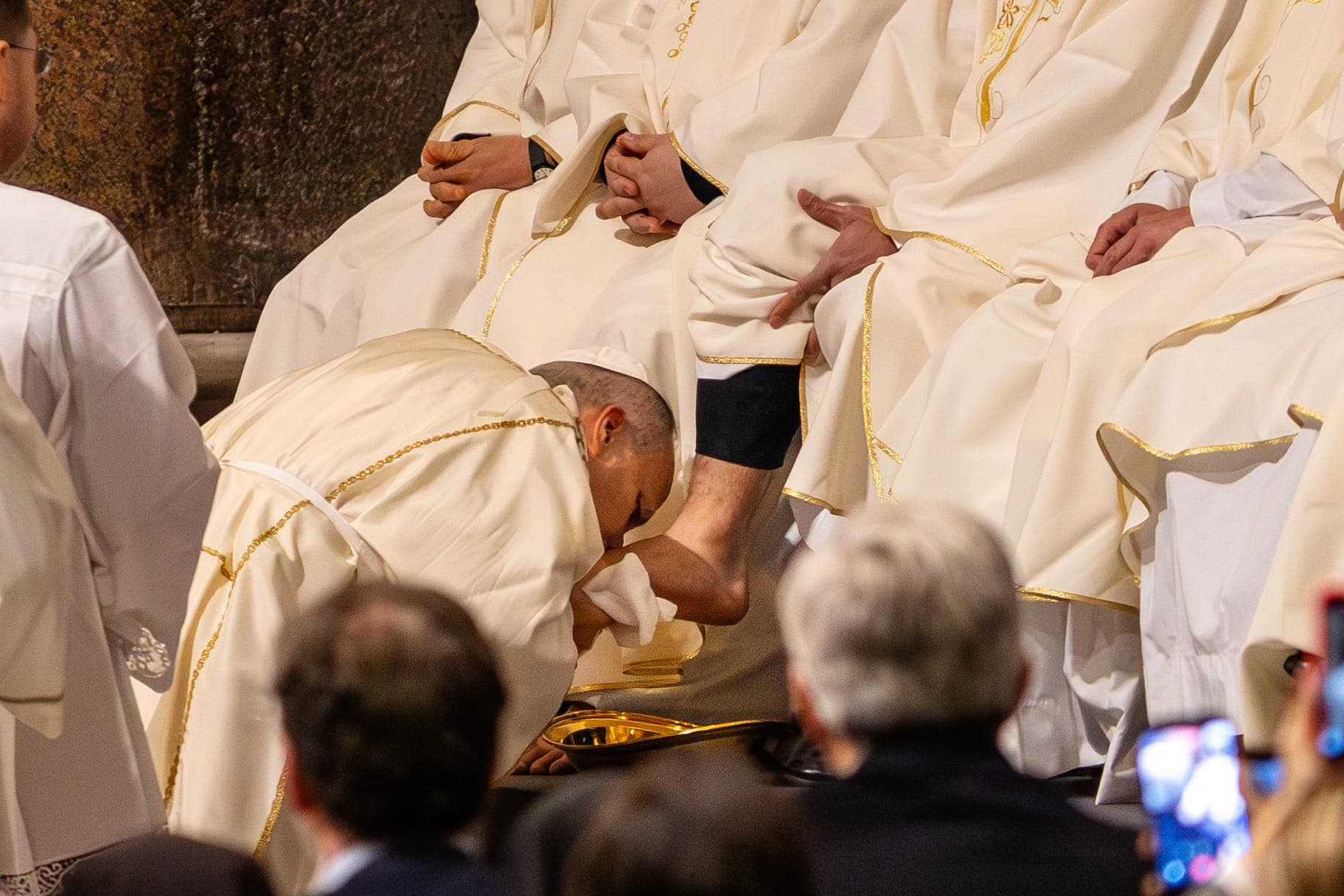
During the first Holy Thursday Mass of his pontificate, Pope Leo XIV will wash the feet of 12 priests.

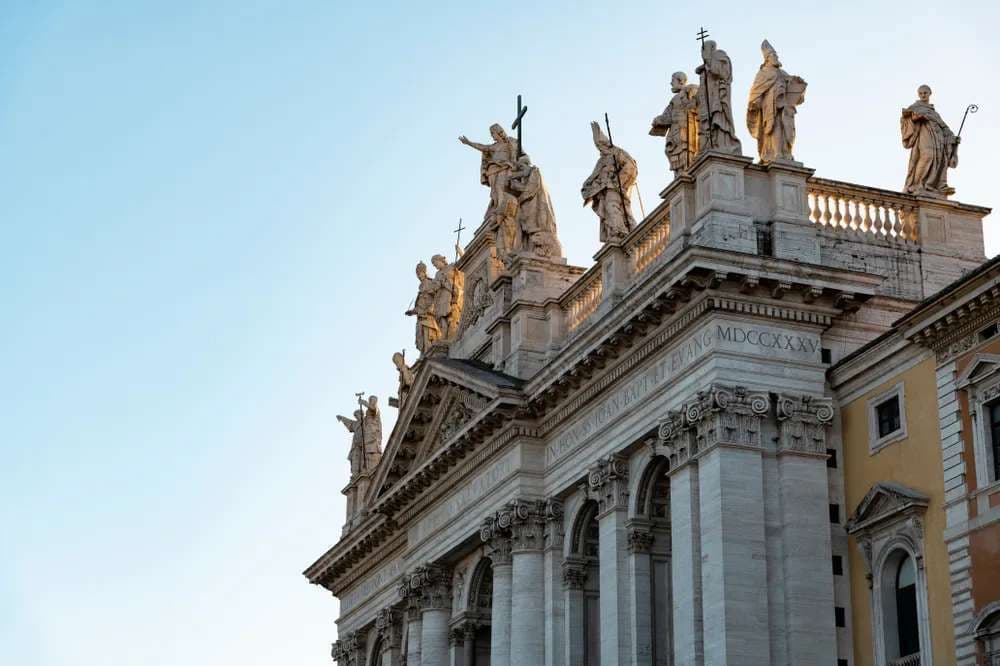
During the first Holy Thursday Mass of his pontificate, Pope Leo XIV will wash the feet of 12 priests.
Priests have not been the recipients of the footwashing since 2012. The late Pope Francis would wash the feet of prisoners, migrants, and non-Catholics, among others, according to Rome-based reporter Diane Montagna.
Montagna, who framed the news as “a return to tradition,” reported April 1 to her Substack that the Diocese of Rome this week announced the names of the 12 priests who will be a part of the ritual and that the Mass would be celebrated at the Basilica of St. John Lateran. Pope Benedict XVI was the last pope to do this, as he washed the feet of 12 priests of Rome’s diocese during Holy Thursday Mass there 14 years ago, according to Montagna.
The Holy Thursday liturgies Pope Francis presided over “often took place outside Roman basilicas” — such as at prisons — “and involved individuals on the margins of society,” Montagna noted. She also posited that Pope Leo’s decision to wash the priests’ feet at the basilica “represents a decidedly more traditional approach” than Pope Francis’.
According to the United States Conference of Catholic Bishops (USCCB), the tradition of washing the feet of clergy dates back to at least the 7th century, but typically occurred in monastic settings, which naturally entailed washing the feet of clerics. From at least the 17th century onward, there grew a custom in certain places to wash the feet of the poor, the USCCB noted. In the 20th century, Pope Pius XII instituted Holy Week reforms that gave the ritual a more public role during the Holy Thursday evening Mass.
“At the instruction of Pope Francis, the rite of the washing of feet on Holy Thursday has been modified to lawfully permit a wider representation of the People of God to take part in the ceremony,” the USCCB states.
In 2016, the then-Congregation for Divine Worship and the Discipline of the Sacraments issued a decree putting Pope Francis’ instruction into effect.
Pope Francis had said his decision came after extensive reflection on the ritual. According to the USCCB, Pope Francis said he decided that the ritual needed to better reflect “the significance of the gesture Jesus performed in the Upper Room, giving himself 'to the very end' for the salvation of the world, his boundless charity.”
_.jpg&w=3840&q=75)
Comments