Gallup: 9% of US adults now identify as ‘LGBTQ+’, more than double 2012 percentage
Nine percent of U.S. adults “personally identify as lesbian, gay, bisexual, transgender, or something other than heterosexual,” according to new Gallup data. The figure is more than double the 3.5% recorded in 2012, the first year the polling firm began the survey.

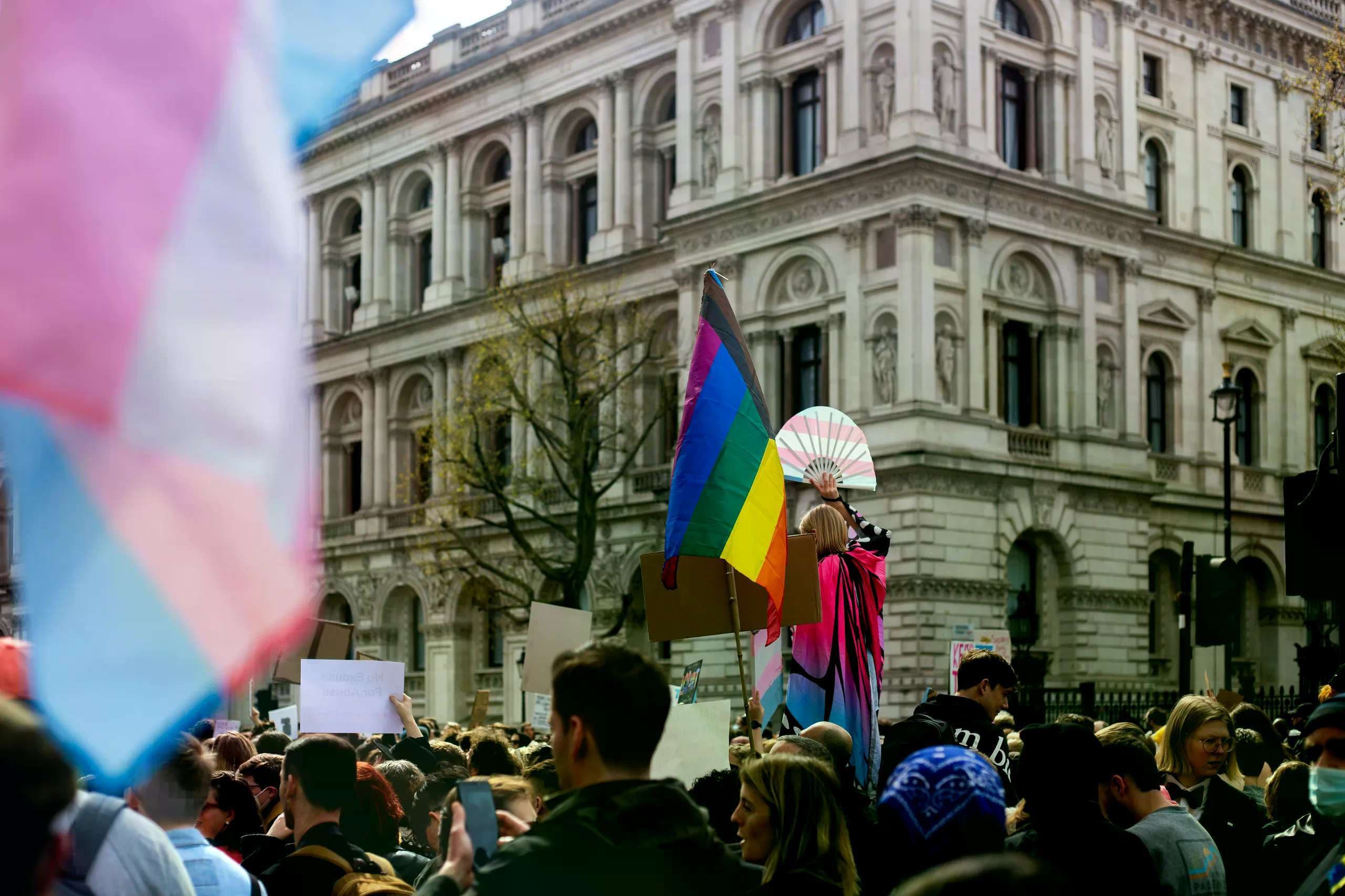
Nine percent of U.S. adults “personally identify as lesbian, gay, bisexual, transgender, or something other than heterosexual,” according to new Gallup data. The figure is more than double the 3.5% recorded in 2012, the first year the polling firm began the survey.
The results, released Feb. 16, are based on combined data from 2025 phone interviews with more than 13,000 adults across the U.S. The survey found that 86% of respondents said they identified as heterosexual and 5% declined to answer.
The latest figure is largely unchanged from the percentage found in 2024, when 9.3% of adults identified as something other than heterosexual. From 2012 to 2017, the figure rose by about one percentage point, then it climbed from 4.5% in 2017 to 5.6% in 2020 and reached 7.1% in 2021 before continuing to rise through 2024.
Among those who identify as “LGBTQ+,” the largest share say they are bisexual. Bisexual adults account for 58.6% of the subgroup and roughly 5% of the total U.S. adult population. Meanwhile, 17% of “LGBTQ+” adults identify as gay, 16% as lesbian, and 12% as “transgender.”
Bisexual identification has consistently been the most common category since Gallup began reporting separate categories in 2020. That year, 3.1% of U.S. adults identified as bisexual, compared with the 5.3% today. Other LGBTQ+ identities have also increased over the past six years, though at a slower pace.
Gallup noted that today’s rise in "LGBTQ+" identification is concentrated among younger generations. In the most recent data, 23% of adults under age 30 identified as "LGBTQ+", compared with 10% of those aged 30 to 49. Among adults 50 and older, about 3% or fewer identified as "LGBTQ+."
Women are more likely than men to identify as "LGBTQ+." About 10.5% of women said they identified as a category other than heterosexual, compared with 5.6% of men, and the gap is largely driven by bisexual identification. About 2.3% of women identify as lesbian, and 2.5% of men identify as gay. But a much larger share of women — 7.2% — say they are bisexual, compared with just 2.5% of men.
Political affiliation also correlates with identification. About 14.2% of Democrats say they have an "LGBTQ+" identity, compared with 10.3% of independents and 1.9% of Republicans.
Geographically, city residents are slightly more likely than those in suburban or rural areas to identify as "LGBTQ+." Roughly 10.9% of adults in cities identify as LGBTQ+, compared with 8.7% in suburbs and 7% in small towns or rural areas.
Rates are similar across racial and ethnic groups. About 8.3% of white adults identify as "LGBTQ+", compared with 9.9% of black adults and 10.7% of Hispanic adults.
Gallup attributed the sharp rise in "LGBTQ+" identification over the past decade to generational change, as more members of Generation Z, born between 1997 and 2012, reach adulthood. Nearly one in four Gen Z adults now identifies as something other than heterosexual, Gallup reported, suggesting that the national share could continue to climb as older generations make up a smaller portion of the population.
Comments