Gallup finds decline in US religiosity is one of the largest ever recorded
A decline in U.S. adults’ religiosity during the past decade is among the most dramatic drops recorded by Gallup in any country over any 10-year period.

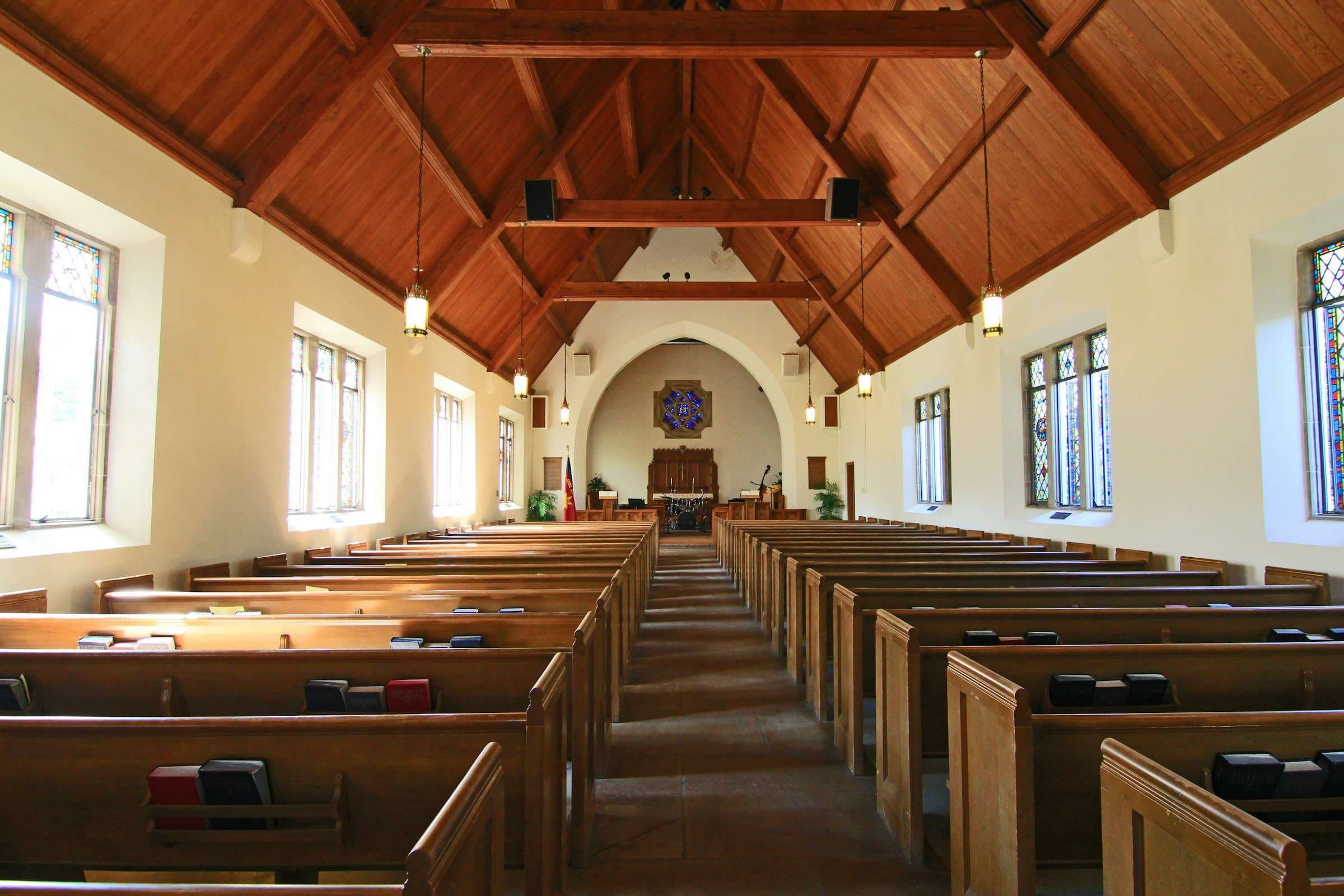
A sharp decline in U.S. adults’ religiosity during the past decade is among the most dramatic drops recorded by Gallup in any country over any 10-year period, the pollster reported Thursday.
Gallup found that the share of Americans who say religion is an important part of their daily life went from 66% to 49% between 2015 and 2025. A 17-point shift is rare, according to Gallup — only 14 out of more than 160 countries in its World Poll have dropped more than 15 points in a 10-year timeframe.
The data also showed that the U.S. is pulling away from the global average.
Across the world, an average of 83% of adults say religion is important in their daily lives.
However, U.S. religiosity is beginning to more closely match that of other wealthy countries in the Organization for Economic Co-operation and Development (OECD). The OECD religiosity median is 36%, where it has consistently hovered since 2015.
According to Gallup, the U.S. now does not fit into four religious categories that most other countries can be sorted into: high religiosity with Christian identity, high religiosity with another religious identity, low religiosity with Christian identity, or low religiosity with no religious identity.
Instead, the U.S. has a medium-high Christian identity but only medium religiosity. The U.S. is reportedly similar in Christianity levels to countries like the United Kingdom, Germany, Finland, and Denmark, but is more religious than those nations. The U.S. has similar religiosity levels with countries that are influenced by Catholicism, like Argentina, Ireland, Poland, and Italy, but those countries have more Christians than the U.S. does.
The discovery demonstrates another data shift over the past few decades, Gallup noted, since U.S. adults formerly had high levels both of religiosity and Christian identity.

Gallup: Religious affiliation in US remained stable for past 5 years
U.S.6 months ago





Comments