Hezbollah supporters target Maronite Catholic cardinal in obscene social media campaign
Lebanon’s Maronite Christian community was the target of two incidents May 2–3, as supporters of Hezbollah, a U.S.designated terrorist organization, offensively depicted Lebanon’s Maronite Catholic leader in a social media campaign, and a historic Maronite monastery in northern Lebanon was vandalized a day later.
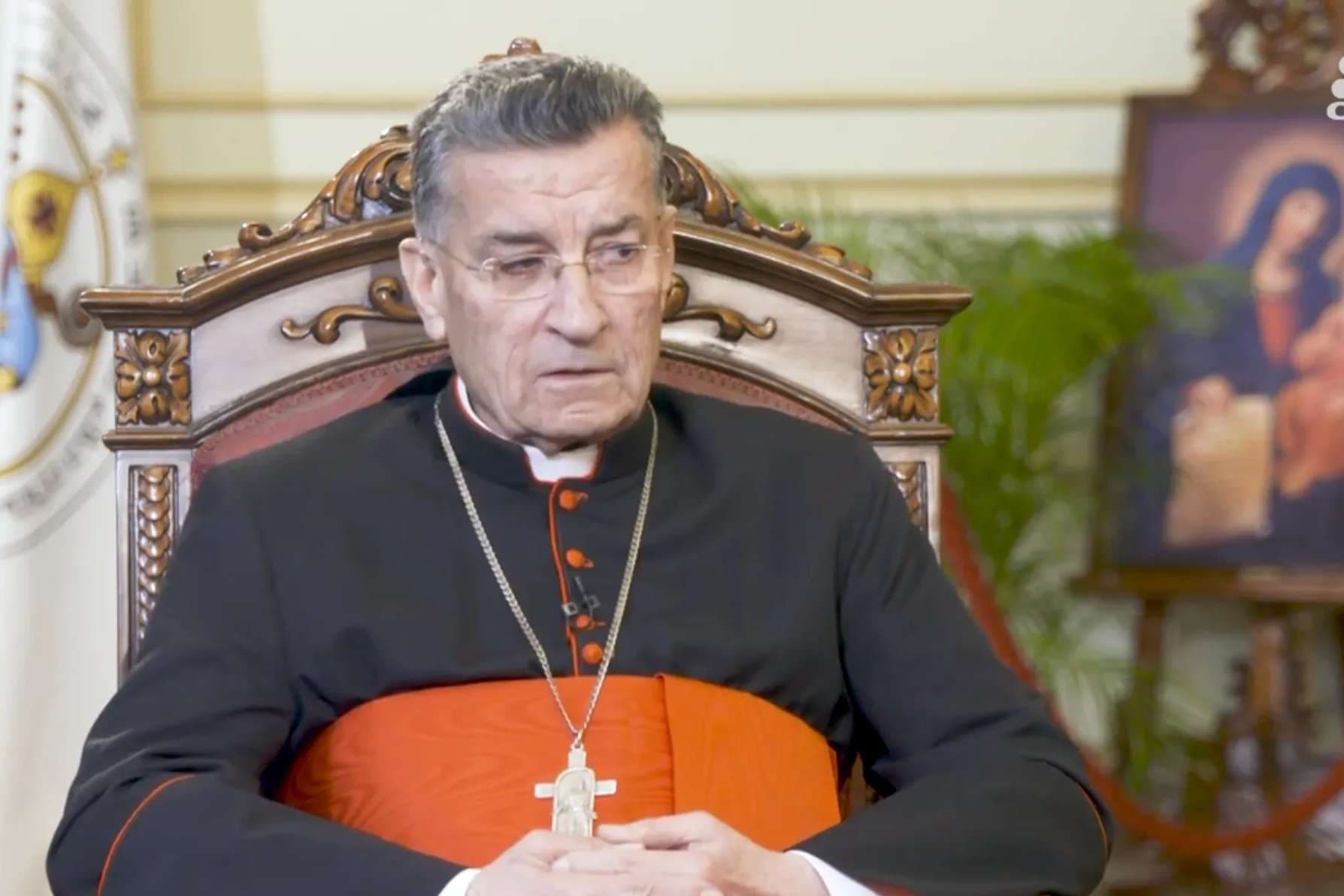
Lebanon’s Maronite Christian community was the target of two incidents taking place on May 2–3. Supporters of Hezbollah, a U.S.-designated terrorist organization, obscenely depicted Lebanon’s Maronite Catholic leader in a social media campaign, and a historic Maronite monastery in northern Lebanon was broken into and vandalized.
Hezbollah supporters target Cardinal Raï
Supporters of Hezbollah began a social media campaign targeting Cardinal Béchara Boutros Raï, head of Lebanon’s Maronite Catholic Church, after a Lebanese television channel aired a political satire segment depicting Hezbollah Secretary-General Naim Qassem and the group’s battlefield performance in a cartoon spoof resembling the game Angry Birds. The channel later removed the segment under judicial pressure, according to L’Orient Today.
Shortly after, Hezbollah supporters began circulating posts attacking Cardinal Raï – Lebanon’s most senior Christian cleric – despite his having no connection to the television program.
The posts included derogatory cartoons, montages, and other AI-generated images portraying the cardinal in offensive ways, such as with a pig’s head, wearing a Jewish Kippah, and other sexual or degrading insults.
Many of the images depicted the cardinal with the “resistance boot” as his head, a gesture meant to humiliate and show that a dirty shoe that belongs to the resistance was more valuable than the head of the Church.
According to several cultural analyses, showing someone the sole of a shoe or boot is a classic symbol of humiliation in Arab and Middle Eastern culture due to feet and shoes being traditionally considered unclean. Further, placing a shoe on or near someone’s face is one of the strongest visual insults, implying the person is dirty, worthless, or beneath contempt.
Response and backlash
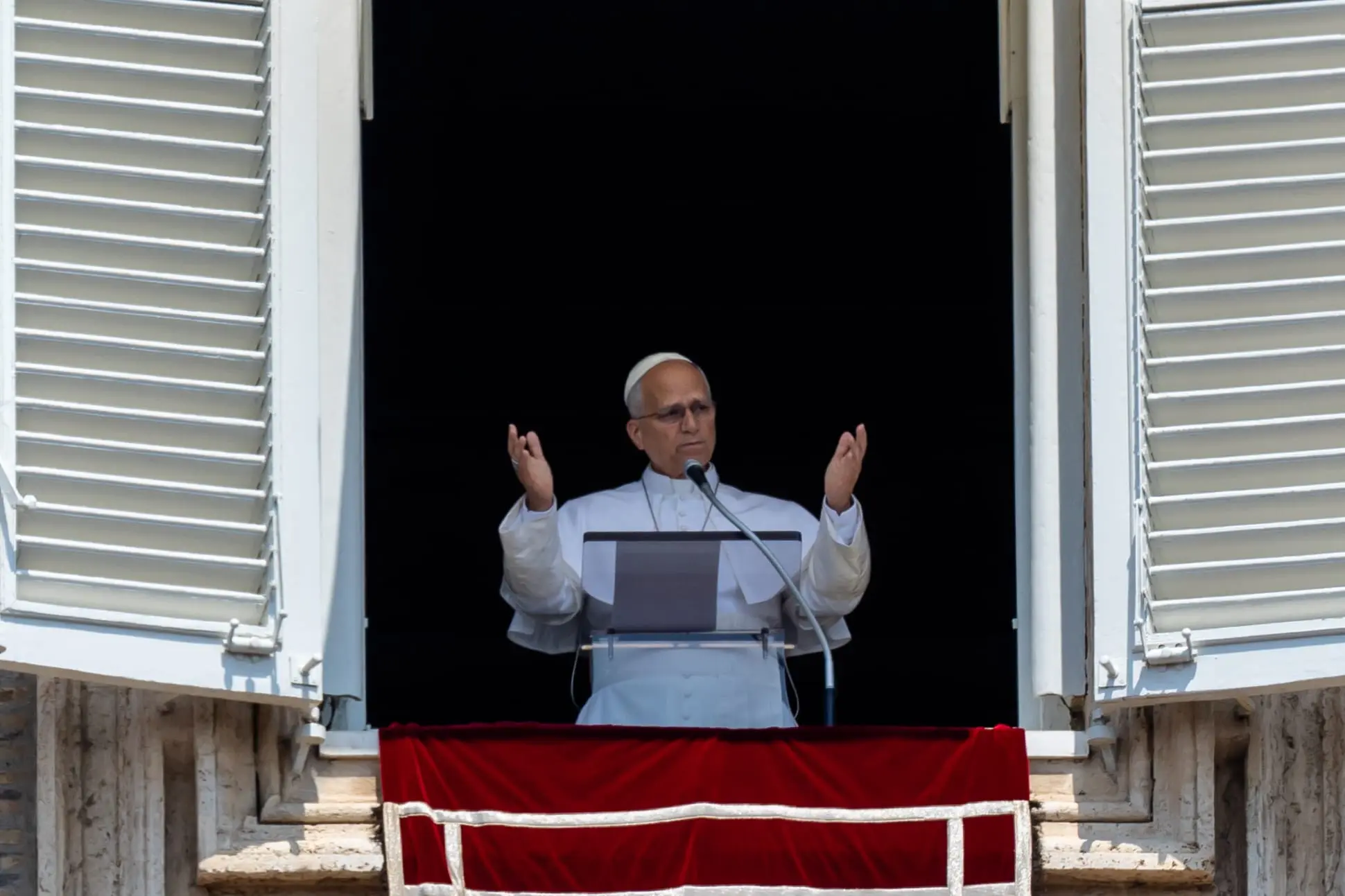
Cardinal Raï addressed the posts on May 3 during his homily at the Basilica of Our Lady of Harissa, calling them “an affront to the dignity of persons."
“Lebanon is greater than fleeting quarrels,” he said, warning of “a worrying degradation of language standards and values” and growing “internal divisions, tensions and heightened sensitivities — as if we have lost the capacity to tolerate one another.”
He also said the attacks did not constitute free speech. "The war of words raging on social media does not fall under freedom of expression," and added "What is built on love is not destroyed by storms of insults."
In separate commentary published on the website of the Lebanese Kataeb Party, Hezbollah’s campaign was described as “a calculated act of intimidation” and “a sectarian message wrapped in digital vulgarity.”
“Insulting the Maronite Patriarchate itself is not criticism. It is sectarian aggression,” the party wrote, accusing Hezbollah of seeking “immunity” for its actions while allowing supporters to target religious figures.
“Hezbollah wants immunity in every direction: immunity for its weapons, immunity for its wars, immunity for its leaders, immunity for its propaganda, and now immunity from satire,” it said. “But when the Maronite Patriarch is attacked, mocked, and insulted, we are expected to accept it as online anger. No. This is the same old method: provoke, intimidate, deny responsibility, and then pretend to be the injured party.”
“Hezbollah cannot continue to play both arsonist and firefighter,” the statement read. “The defense of the Maronite Patriarchate is not a sectarian duty; it is a national duty.”
Maronite monastery vandalized
At the same time as the social media campaign, unknown individuals broke into a historic Maronite Catholic monastery in northern Lebanon May 2, smashing religious statues, setting fire to items inside and leaving traces of blood at the scene, according to reports from the Lebanese Kataeb.
The attack on the Monastery of Saint Challita, located in the Wadi Halsban area of Kobayat in the Akkar region, prompted security services to respond immediately and open an investigation, Kataeb reported. Security information indicated that the individuals smashed some of the contents and religious statues inside the monastery and set fire to a number of items.
MTV Lebanon also confirmed the incident, reporting that investigations are underway to identify the perpetrators.
Former Member of Parliament Hadi Hobeich said "The burning and smashing of statues of saints at the Monastery of Saint Challita in Kobayat is a divisive act that is condemned and unacceptable by all standards.” He called on security agencies to "act swiftly to uncover the circumstances, in order to prevent speculation from all sides."
The attack sparked widespread outrage in the town, Kataeb reported, given the religious, cultural and historical significance of the monastery to residents of Kobayat and the surrounding region.
No group has claimed responsibility, and no suspects have been publicly identified at the time of publication.



Comments