House passes SAVE America Act requiring proof of citizenship to vote
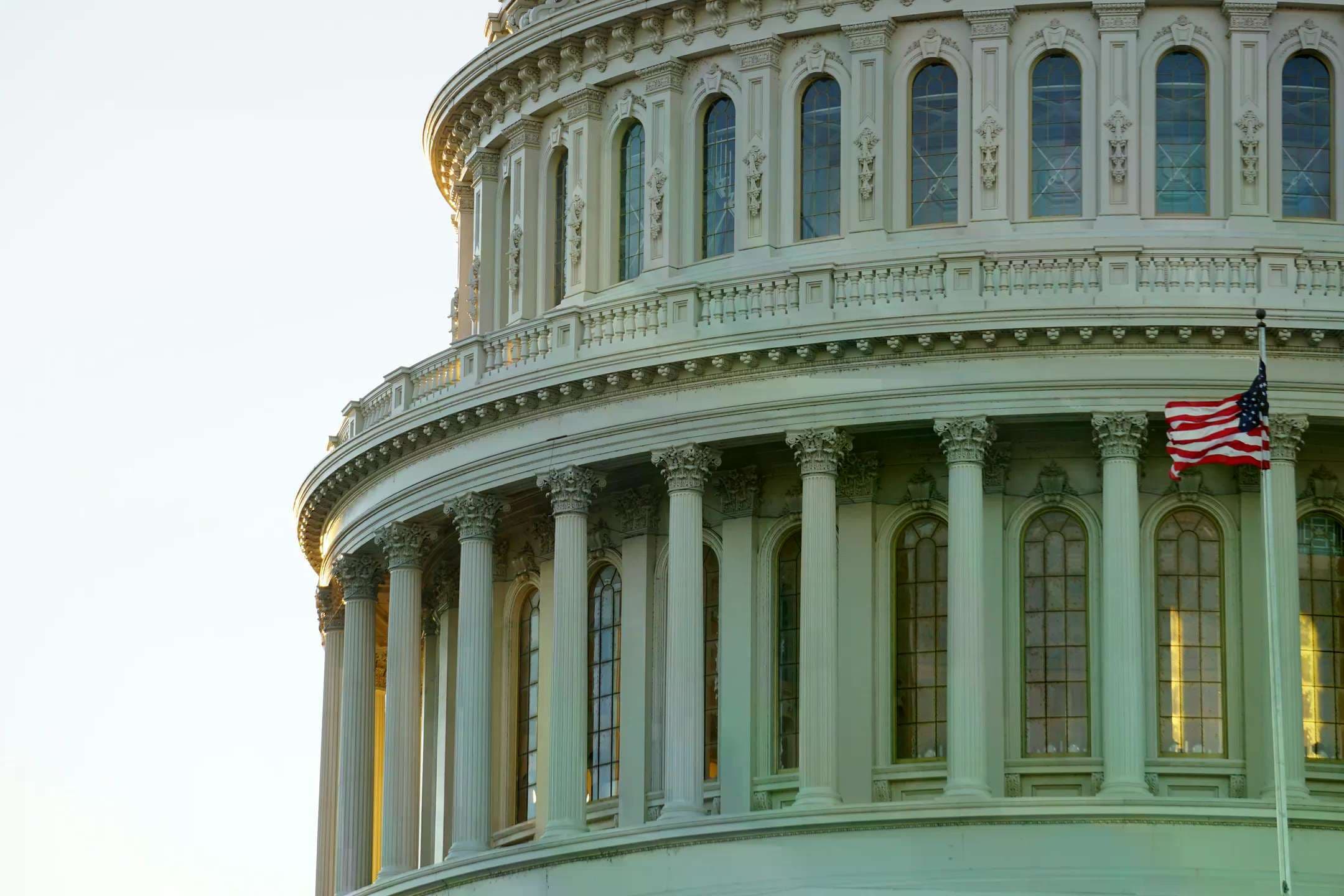
The U.S. House of Representatives voted Feb. 11 to pass the Safeguard American Voter Eligibility (SAVE) America Act, advancing a Republican-led effort to tighten election rules and require people to show proof of citizenship and voter ID before they can vote in federal elections.

The U.S. House of Representatives voted Feb. 11 to pass the Safeguard American Voter Eligibility (SAVE) America Act, advancing a Republican-led effort to tighten election rules and require people to show proof of citizenship and voter ID before they can vote in federal elections.
The bill cleared the chamber largely along party lines, by a vote of 218-213. Republicans unanimously voted in favor of it, and all but one Democrat — Rep. Henry Cuellar of Texas — opposed it. An earlier version of the measure passed the House in April 2025 but stalled in the Senate amid Democratic opposition.
The 32-page legislation would require states to obtain documentary proof of U.S. citizenship in person from applicants to register them to vote in a federal election.
The bill would also require photo identification (ID) to cast a ballot in person and impose stricter requirements on mail-in voting, requiring voters to submit a copy of an approved ID both when requesting and when casting an absentee ballot.
Republicans have framed the measure as a safeguard to protect election integrity and restore public trust.
“It’s just common sense. Americans need an ID to drive, to open a bank account, to buy cold medicine, to file for government assistance,” House Speaker Mike Johnson, R-La., said after the passage. “So why would voting be any different than that?”
Democrats, however, have argued that the legislation will suppress turnout by inconveniencing Americans without easy access to citizenship documents.
House Minority Leader Hakeem Jeffries, D-N.Y., told reporters earlier in the week that the “so-called SAVE Act is not about voter identification, it is about voter suppression.”
President Donald Trump publicly backed the proposal ahead of the vote. In a Feb. 5 Truth Social post, Trump wrote, “America’s Elections are Rigged, Stolen, and a Laughingstock all over the World.”
Polling suggests broad support of photo ID requirements for voters. As Zeale News previously reported, CNN analyst Harry Enten recently pointed out that 83% of Americans support such measures, including 71% of Democrats and 76% of black voters.
The bill — sponsored by Rep. Chip Roy, R-Texas, and Sen. Mike Lee, R-Utah — now heads to the Senate, where Democratic leaders have vowed to block it. At least one Republican, Sen. Lisa Murkowski, has expressed opposition as well, raising questions about the measure’s path forward.


Comments