Iran disputes US account of nuclear deal as military strikes continue
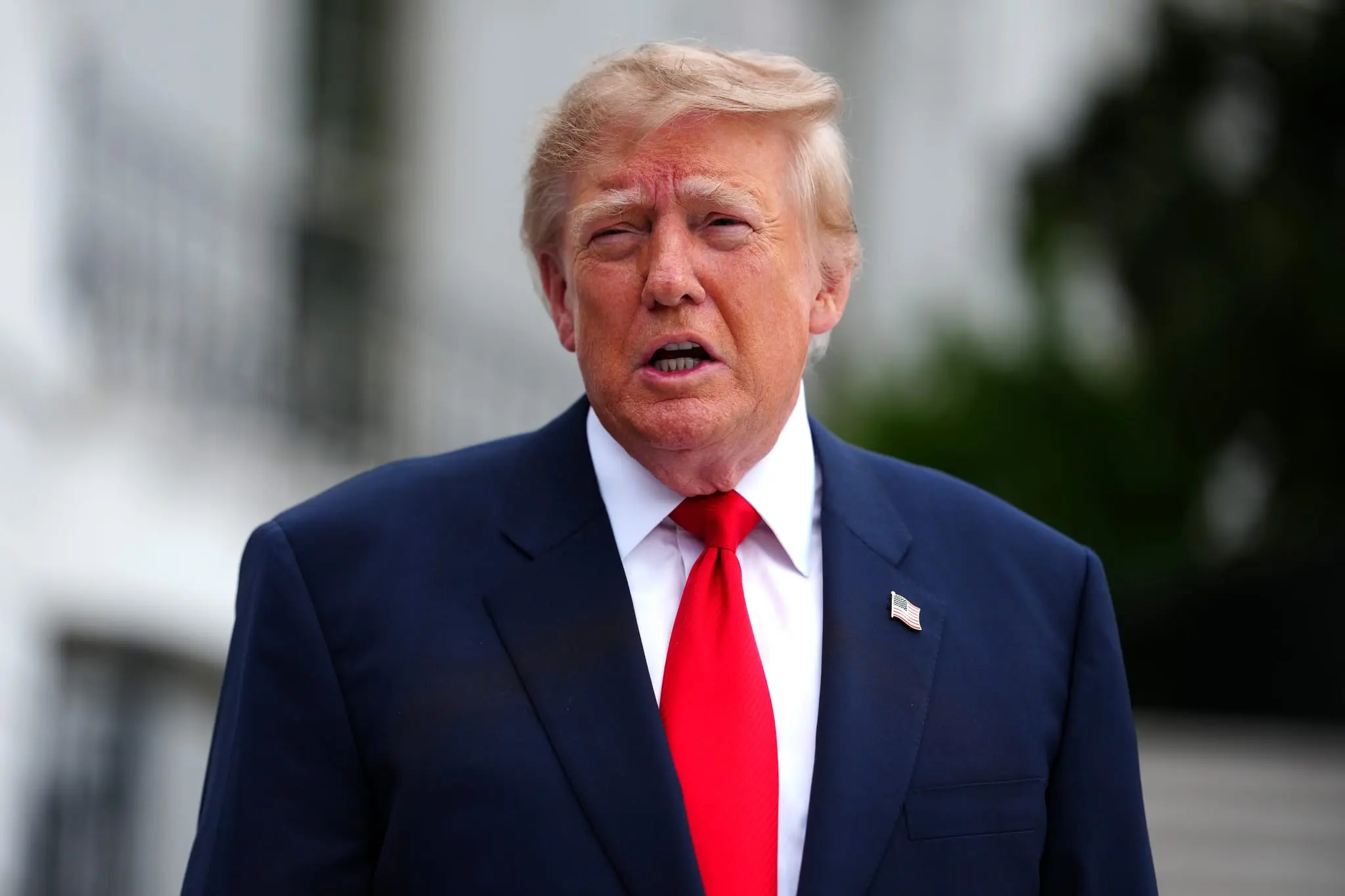
U.S. and Iranian negotiators have reached a tentative agreement on a 60-day memorandum of understanding (MOU) to pause hostilities and open nuclear talks, but President Donald Trump has not given his final approval. In addition, Iran has not confirmed it will sign, according to two U.S. officials and a regional source involved in mediation efforts.

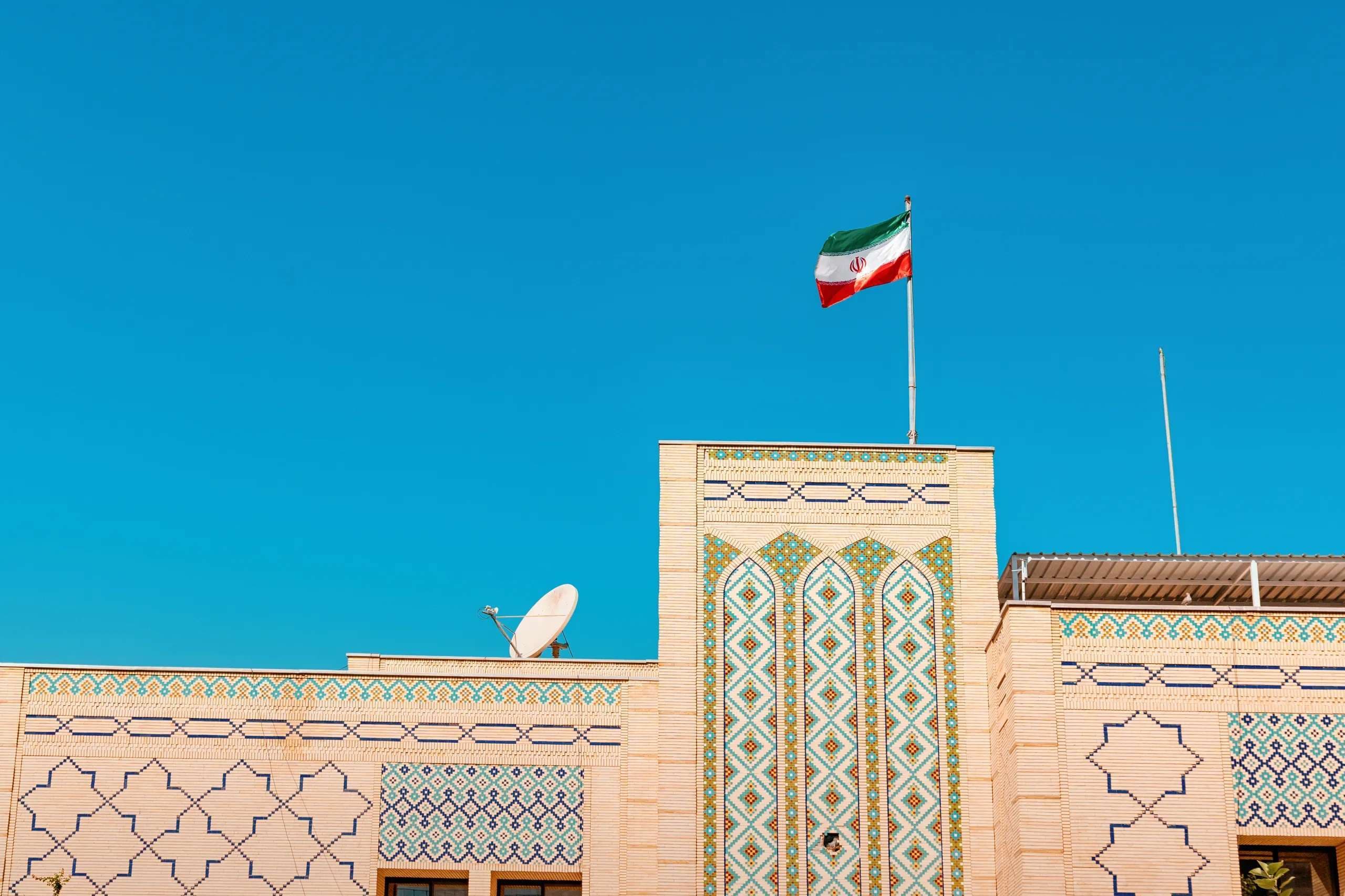
U.S. and Iranian negotiators have reached a tentative agreement on a 60-day memorandum of understanding (MOU) to pause hostilities and open nuclear talks, but President Donald Trump has not given his final approval. In addition, Iran has not confirmed it will sign, according to two U.S. officials and a regional source involved in mediation efforts.
The U.S. officials, who spoke to Axios, said terms were largely settled as of May 26 and Iranian negotiators subsequently indicated they had the necessary approvals to proceed. Iran's government has not confirmed that account.
"The president relayed to the mediators that he wants a couple of days to think about it," one U.S. official said, according to Axios. Trump said May 27 he was not in a rush.
Speaking to reporters May 28, Vice President JD Vance said the U.S. has made “a lot of progress” in negotiations and that he believes Tehran is “negotiating at least so far in good faith.”
Tasnim News Agency, Iran’s state-affiliated media, reported May 27, citing a source close to the talks, that "disagreements over some clauses, words, and phrases" remain and that the exchange of messages between the two sides is "still ongoing." The agency warned that "any unilateral announcement by the United States could be completely inaccurate."
What the two sides agree on
Both sides broadly describe a similar framework: a first phase involving a ceasefire, the gradual reopening of the Strait of Hormuz, the lifting of the U.S. naval blockade, and relief on sanctions blocking Iranian oil sales, followed by a 60-day window for nuclear negotiations.
But the accounts diverge sharply on Iran's nuclear commitments.
The U.S. officials told Axios that the MOU would include an Iranian commitment not to pursue a nuclear weapon and that early negotiations would focus on disposing of Iran's highly enriched uranium and addressing its enrichment capacity. Iran gave verbal commitments during talks about its willingness to make nuclear concessions, the U.S. officials said, but cautioned that "we will not know until we get in the room."
Tasnim reported that Iran has made no such commitments in the first phase. "Iran has not made any commitments in the first step to take action on enriched material, or nuclear suspensions, etc.," the agency noted.
The U.S. officials said the MOU would also commit the U.S. to discussing sanctions relief and the release of frozen Iranian funds. Tasnim reported progress on releasing $12 billion of an estimated $24 billion in frozen assets, though it said details remain unresolved.
Both accounts describe a provision ending the war between Israel and Hezbollah in Lebanon as part of the agreement — an issue that has previously caused tension between Trump and Israeli Prime Minister Benjamin Netanyahu, according to Axios.
Strikes continue even as diplomacy proceeds
The diplomatic activity unfolded against a backdrop of fresh military confrontation — and competing accounts of who provoked it.
Iran's military fired four one-way attack drones at a commercial ship in the Strait of Hormuz May 27, a senior U.S. official told Axios. U.S. forces shot down the drones and struck an Iranian ground control station in the port city of Bandar Abbas that was preparing to launch a fifth drone, according to U.S. Central Command (CENTCOM).
"These actions were measured, purely defensive, and intended to maintain the ceasefire," CENTCOM said in a statement.
Iran's account, reported by Tasnim — which is affiliated with Iran's Islamic Revolutionary Guard Corps — described the episode differently. The agency said an American tanker attempted to transit the Strait of Hormuz with its radar system turned off, and that Iran's navy fired at the vessel and forced it to stop and turn back. Tasnim acknowledged that U.S. forces struck a site near Bandar Abbas, but said the strike caused no casualties or property damage.
It was the second such skirmish in 48 hours, according to Axios.
One U.S. official described the broader MOU effort as “an agreement to get everybody to the table. We will work out the details in the negotiations.”
Tasnim said no direct U.S.-Iran talks have taken place since negotiations in Islamabad and that the drafting process has been conducted entirely through a mediator. The agency said a finalized MOU would likely contain 14 clauses.





Comments