Iran War escalates on Day 20: Israel bombs world’s biggest oil field, Trump signals possible Hormuz pullback, and Israelis kill Iran’s intelligence chief
During the 20th day of the joint U.S.-Israeli war against Iran: Israel bombed the world’s largest source of natural gas in Iran, causing oil prices to spike President Donald Trump suggested partner nations should take over the effort to open the Strait of Hormuz Israel killed Iran’s intelligence chief Iran retaliated with strikes targeting central Israel.

During the 20th day of the joint U.S.-Israeli war against Iran:
- Israel bombed the world’s largest source of natural gas in Iran, causing oil prices to spike
- President Donald Trump suggested partner nations should take over the effort to open the Strait of Hormuz
- Israel killed Iran’s intelligence chief
- Iran retaliated with strikes targeting central Israel.
Rogue escalation: Israeli attack on oil field may lead to global consequences
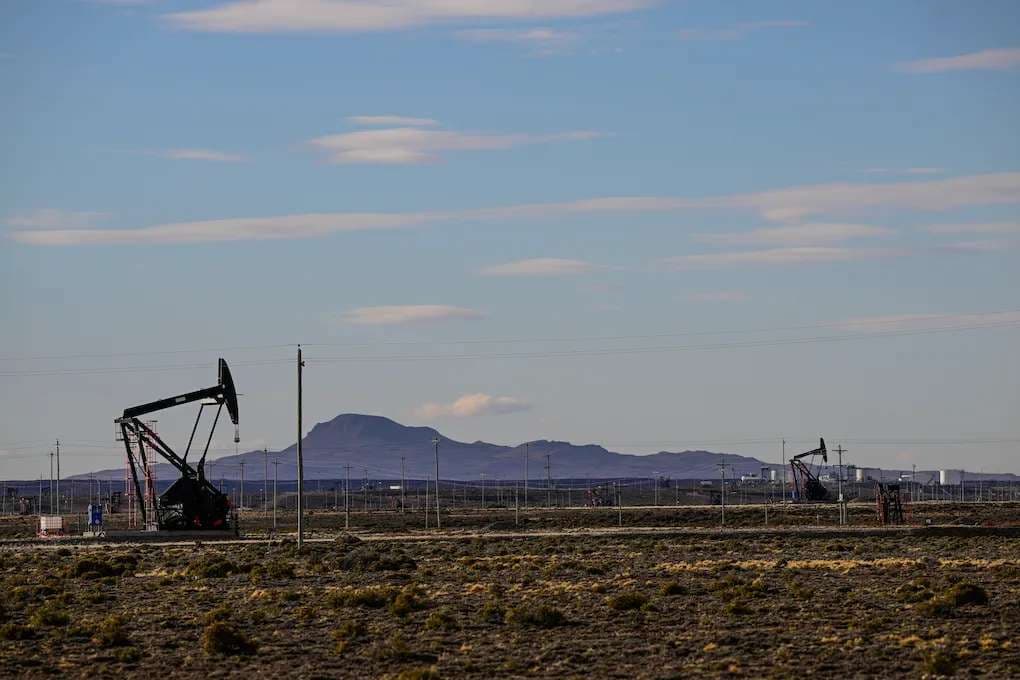
Israel struck the South Pars oil field March 18 in what was widely decried as a major escalation in the war. South Pars is the world’s largest source of natural gas and is vitally important to global energy markets.
Oil prices “shot up” Immediately following the strike, The Guardian reported, due to “fears that disruption to global energy supplies would worsen.”
“Iran listed an array of prominent regional oil and gas sites belonging to Saudi Arabia, the UAE and Qatar that it said were now ‘direct and legitimate targets’” in light of the attack, the outlet noted, adding that Qatar’s foreign ministry called the strikes a “‘dangerous and irresponsible’ escalation that put global energy security at risk.”
Iran also retaliated by striking fuel depots in Qatar, exacerbating global concerns over threats to global markets.
In a Truth Social post that evening, Trump distanced himself from the Israeli operation and demanded that Israel cease its attacks on the oil field. Trump also threatened that if Iran further retaliated by striking Qatari fuel facilities, the U.S. itself would completely destroy South Pars.
Trump described Israel’s attack on the South Pars oil field as motivated by "anger," saying Israel "violently lashed out at" the "major facility." He emphasized that neither the U.S. nor its ally Qatar knew anything about the attack or had "any idea that it was going to happen."
“Unfortunately,” he continued, “Iran did not know this, or any of the pertinent facts pertaining to the South Pars attack, and unjustifiably and unfairly attacked a portion of Qatar's LNG Gas facility.”
“NO MORE ATTACKS WILL BE MADE BY ISRAEL” on “this extremely important and valuable South Pars Field unless Iran unwisely decides to attack a very innocent, in this case, Qatar - In which instance the United States of America, with or without the help or consent of Israel, will massively blow up the entirety of the South Pars Gas Field at an amount of strength and power that Iran has never seen or witnessed before."
Trump says U.S. could step back from Hormuz, presses NATO to take over
Trump said the U.S. may scale back its role in securing the Strait of Hormuz and suggested NATO allies should take responsibility for the key shipping route. The narrow passage between Iran and Oman carries roughly one-fifth of the world’s oil supply and has been disrupted amid the ongoing conflict with Iran
Trump warned that the alliance could face serious consequences for refusing to send military aid to the strait. NATO allies have largely rejected Trump’s demands that they join a U.S.-led mission to secure the vital waterway amid the escalating Iran conflict.
In a March 17 post on Truth Social, Trump had said most allies “don’t want to get involved with our Military Operation” and complained that “We will protect them, but they will do nothing for us.”
“Speaking as President of the United States of America, by far the Most Powerful Country Anywhere in the World, WE DO NOT NEED THE HELP OF ANYONE!" he wrote.
In remarks to reporters March 18, Trump said allies, many of which rely more heavily on Middle East energy supplies, should take the lead in ensuring the waterway remains open, raising the possibility of the U.S. stepping back from the effort.
Israeli strike kills another senior Iranian official
An Israeli airstrike killed Iran’s intelligence minister, Esmail Khatib, in Tehran overnight on March 18. Israel’s military officials confirmed the strike was carried out by the Israeli military and targeted Khatib. Iranian officials also confirmed Khatib’s death.
The killing is the most recent in a series of Israeli strikes targeting senior Iranian figures. As Zeale News previously reported, those previously killed were Ali Larijani, secretary of Iran’s Supreme National Security Council, and Gholamreza Soleimani, head of the Basij paramilitary force.
Iran’s supreme leader issues rare statement
Iran’s Supreme Leader Ayatollah Mojtaba Khamenei issued a rare public statement in response to the death of one of the senior Iranian officials, saying he received news of Larijani’s death with “great regret” and vowing retaliation.
In a written message circulated by Tasnim news agency and reported by Al Jazeera, Khamenei described Larijani as an important figure and said his death reflected the “hatred of the enemies of Islam.”
“All blood has its price that the criminal murderers of the martyrs must pay soon,” Khamenei said in the statement. "The anti-Islamists should know that shedding this blood at the foot of the tree of the Islamic system only makes it stronger, and of course, every blood has a price that the criminal murderers of the martyrs must soon pay."
The statement was Khamenei’s second since he assumed leadership following the death of his father, who was killed at the start of the war.
According to Fox News, Israeli Defense Minister Israel Katz said regarding recent strikes, “Israel’s policy is clear and unequivocal: no one in Iran has immunity — everyone is a target.”
Iran launches ‘revenge’ missile barrages on central Israel
Following recent assassinations of senior Iranian figures, Iran launched multiple waves of ballistic missiles at central Israel overnight March 18, striking areas including Tel Aviv and nearby Ramat Gan.
In March 18 interviews with Al Jazeera, Iranian Foreign Minister Abbas Araghchi rejected claims that the leadership killings would destabilize Iran. Araghchi asserted that the country has a “strong political structure with established political, economic and social institutions.” He also dismissed suggestions that Iran would consider ceasefire talks with the U.S.
According to one report from Al Jazeera, at least two civilians were killed when a missile carrying a cluster warhead hit a residential building in Ramat Gan, according to emergency services.
Israeli officials said the barrage caused damage in residential neighborhoods and near transportation infrastructure, while debris from intercepted missiles was reported in the Jerusalem area. Cluster munitions, which disperse smaller explosives over a wide area, were used in at least some of the strikes, according to the report.
The Associated Press reported that medics with the Palestinian Red Crescent that a Wednesday night Iranian strike in the West Bank “killed at least four people and injured at least six others in Beit Awa.” According to the report, the deaths “were the first in the occupied West Bank during the Iran war. It was not immediately clear if the deaths and injuries were a result of a direct strike or debris from an interception.”






Comments