Judge rules Notre Dame rector can subpoena Meta to identify sexual misconduct accusers
The order comes after anonymous allegations prompted Elizabeth Greenop’s administrative leave and a lawsuit claiming harm to her reputation and livelihood.

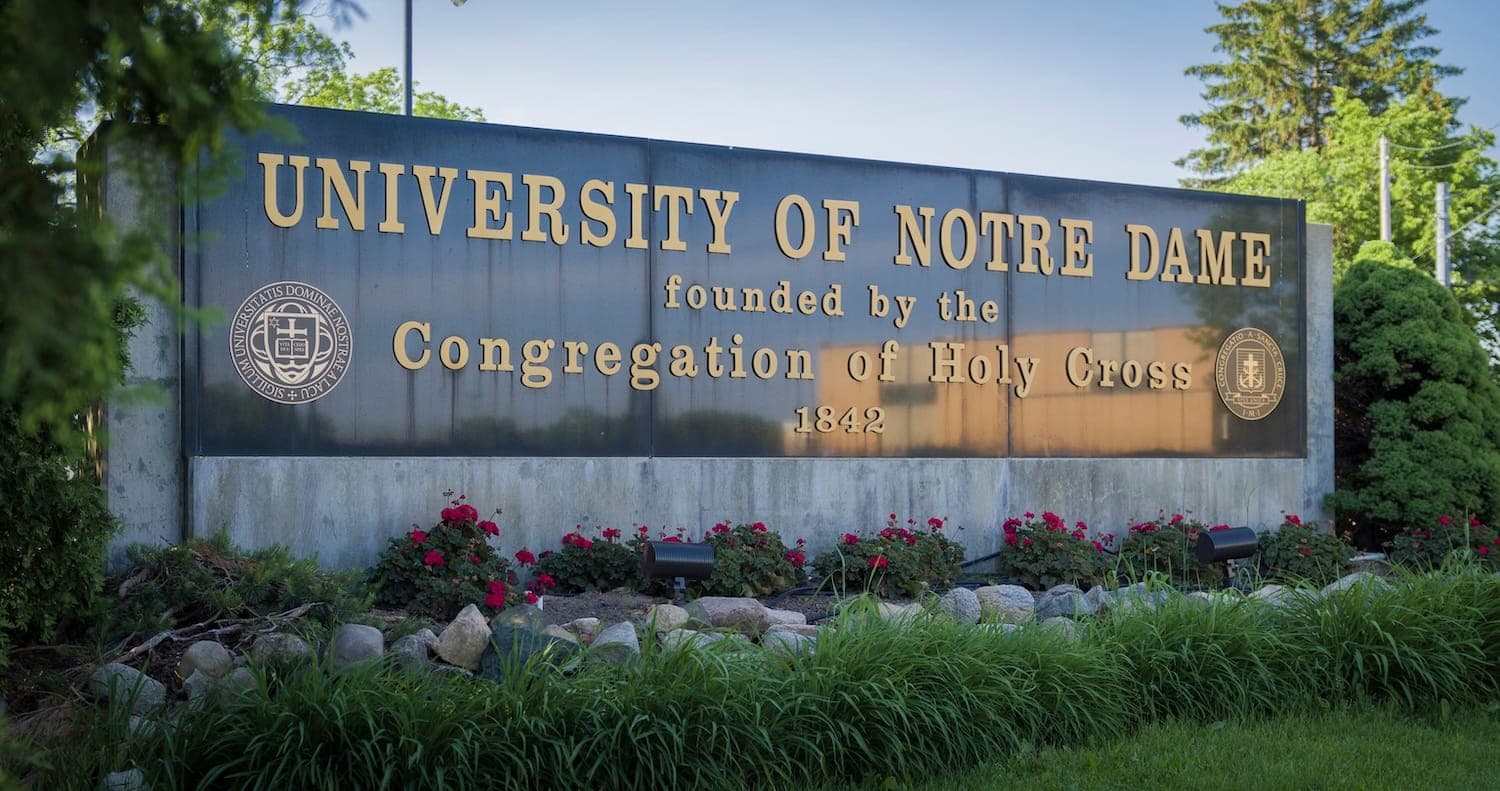
University of Notre Dame residence hall rector Elizabeth Greenop has received court permission to subpoena Instagram parent company Meta for information identifying anonymous accusers she is suing for defamation over sexual misconduct allegations.
The Oct. 9 order from St. Joseph County Superior Court permits Greenop to seek records identifying the accusers and account operators, according to The Observer, Notre Dame’s student newspaper.
In her Aug. 18 complaint, Greenop disputes nine Instagram posts accusing her of sexual misconduct.
“I did not sexually assault, sexually touch, or engage in any nonconsensual or sexual contact with any resident, student, or other person as described in the submissions,” she stated in a Sept. 9 affidavit, according to The Observer.
Greenop was placed on paid administrative leave June 29 after allegations appeared on Share Your Story, an Instagram account that collects anonymous reports of alleged sexual misconduct at Notre Dame, the outlet reported. She had served as rector at the university since August 2024.
Her lawsuit names unidentified “John/Jane Doe” defendants, including those who submitted the allegations, operated the account, or otherwise participated in creating or circulating the statements, according to The Observer.
The complaint seeks damages for “injury to her reputation, personal humiliation, mortification, mental anguish and suffering and emotional distress.” It also alleges the loss of university-provided housing and harm to her future employment and earning prospects, according to the newspaper.
The lawsuit cannot proceed until the defendants are identified, The Observer reported. Once their identities are known, Greenop has permission to add their names to the complaint. The subpoena excludes private messages and other account content, which the newspaper noted cannot be sought under federal privacy laws.
The order requires Meta to notify the account owners and submitters, who will then have 30 days to object before their records are released, according to The Observer. They may raise objections without revealing their identities in the court record.











Comments