Judge suppresses some backpack evidence in Luigi Mangione case but allows gun, writings
A New York judge ruled that prosecutors can use some of the evidence recovered from Luigi Mangione’s backpack — including a handgun, silencer and notebook — but suppressed items obtained during an earlier warrantless search that violated the constitutional rights of the accused.

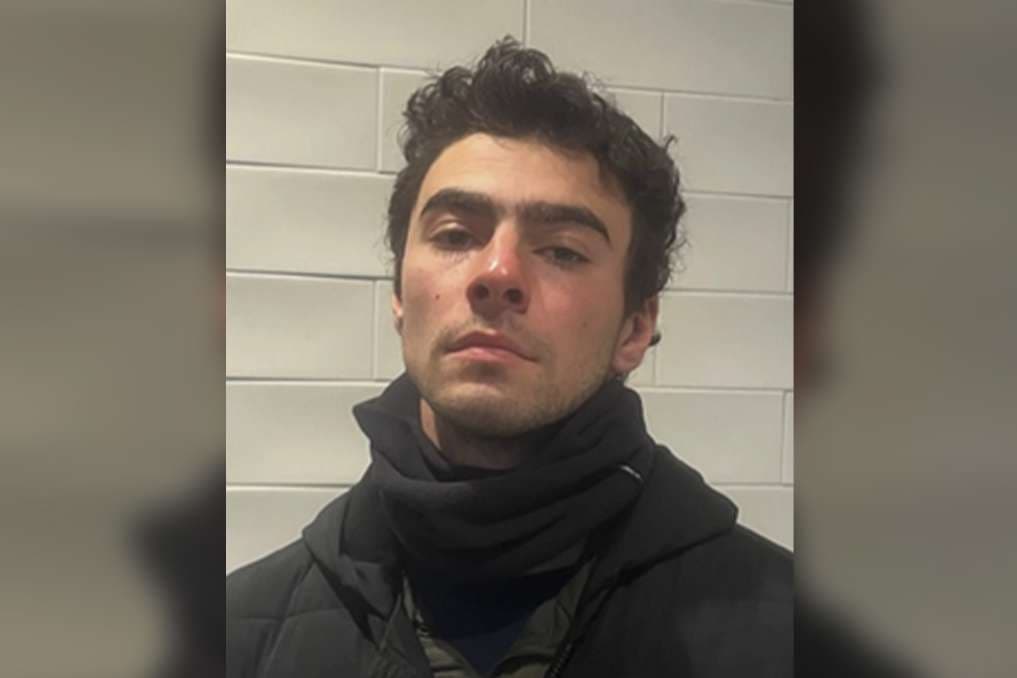
A New York judge ruled that prosecutors can use some of the evidence recovered from Luigi Mangione’s backpack — including a handgun, silencer and notebook — but suppressed items obtained during an earlier warrantless search that violated the constitutional rights of the accused.
In a written order released May 18, New York Supreme Court Justice Gregory Carro ruled that an initial, warrantless search of Mangione’s backpack at a McDonald’s in Altoona, Pennsylvania, violated his constitutional rights because officers moved the bag out of his immediate reach before arresting and handcuffing him.
The judge suppressed evidence recovered during that first search, including a loaded handgun magazine, a cellphone, a passport, a wallet, and a computer chip – meaning the jury in the case will not be informed of those items.
But Carro ruled that a later inventory search conducted at the Altoona police station complied with department policy and was lawful, making those items admissible at trial. Prosecutors will be allowed to present a 3D-printed handgun they allege was used to kill UnitedHealthcare CEO Brian Thompson. A 3D-printed silencer and a red notebook containing writings investigators say are linked to motive will also be admissible.
Carro ruled that most statements Mangione made to police can also be introduced at trial, though the justice suppressed certain remarks involving an alleged fake identification card made after Miranda warnings in specific circumstances.
Mangione, 28, has pleaded not guilty to second-degree murder and weapons charges stemming from the Dec. 4, 2024, fatal shooting of Thompson outside a Manhattan hotel. Prosecutors allege Thompson was shot from behind while walking to a business conference and that Mangione fled on a bicycle before being arrested five days later.
The ruling represents a partial win for the defense but leaves prosecutors with much of the evidence they say connects Mangione to the killing. It does not affect a separate federal prosecution, in which a judge previously ruled that all evidence recovered from the backpack could be used.
The state trial is scheduled to begin Sept. 8.


Comments