Pew: Americans becoming more likely to have positive views of religion in society
Continuing trends reported last year, a minority of Americans are increasingly more likely to say that religion is gaining influence in the U.S., while more than half say that religion is a positive influence on society, according to recent data from the Pew Research Center.

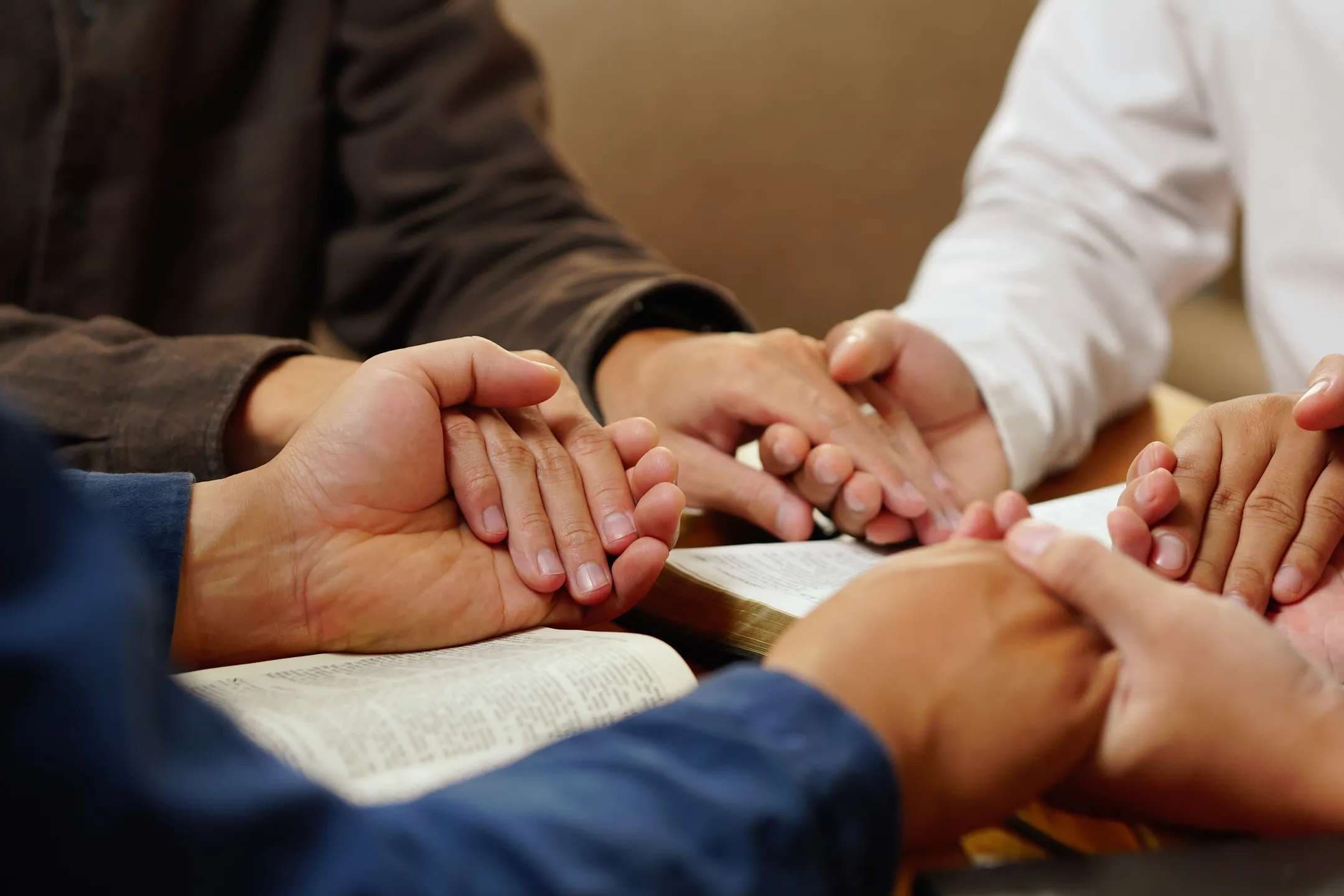
Continuing trends reported last year, a minority of Americans are increasingly more likely to say that religion is gaining influence in the U.S., while more than half say that religion is a positive influence on society, according to recent data from the Pew Research Center.
In 2026, 37% say that religion is increasing its influence on American life. As Zeale News previously reported, that figure is up from 31% in 2025 and 18% in 2024.
According to Pew, while 61% of U.S. adults in 2026 believe that religion is losing its influence, that share has declined dramatically since 2024.
Fifty-five percent of adults say that religion holds a positive role in the country. Of that share, 21% say that religion’s influence is growing, which they believe is a good thing, and 34% say that its influence is waning, which they believe to be bad.
White evangelical Protestants are the religious group most likely to hold positive views on religion’s impact on society (87%), followed by black Protestants (69%), non-evangelical Protestants (65%), and Catholics (65%). Only 21% of those with no religious affiliation held the same views.
Protestants are also more likely than Catholics to believe that the Bible should have a great deal or some influence on U.S. laws and more likely to say that Christianity should be the official religion of the U.S.
Conversely, Catholics are significantly more likely than every Protestant group — with the exception of non-evangelical Protestants — to say churches should not endorse political candidates or express views on social and political issues.
According to Pew, political parties as well as religious groups have differing views on religion’s role in America. While Republicans and Democrats are both becoming more likely to say that religion is gaining influence in the U.S., Republicans are slightly more likely to hold that belief. Additionally, they are significantly more likely to say that religion’s impact on the culture is a good thing.
Three in four Republicans say religion has a positive influence on the culture, compared with nearly four in 10 Democrats who say the same. Democrats are about as likely to hold negative views on religion in society as positive views.
The two political parties also have differing opinions on how much Christianity should impact the government and national politics, Pew found. Republicans are more willing than Democrats to say the Bible should have a great deal or some influence on U.S. laws (45% vs 13%), and 27% of Republicans favored declaring Christianity as the official religion of the U.S., compared with 8% of Democrats.
Fifty-five percent of Republicans say Christianity shouldn’t be the official religion, but they believe that the government should still promote Christian values. Thirty-two percent of Democrats say the same.
Further, the majority of Democrats believe the government should enforce the separation of church and state (68%), compared with 41% of Republicans. One in 10 Democrats and nearly one in five Republicans say the government should stop enforcing the separation of church and state.
Despite their differences, Republicans and Democrats agree on several other questions about religion. Large majorities of both parties say churches and houses of worship should not endorse political candidates or express views on social or political questions. Both parties are also very likely to believe that God does not favor the U.S. over all other countries.





Comments