Learning the life skill of decluttering and how to teach your kids
Detachment from physical items and good habits for keeping things tidy around the house are a few of the keys to learning the skill of purging and decluttering. Here's how to embrace a decluttering mentality and system in your own home.

Keeping a tidy and organized home is much more than trendy matching bins. The foundational step for any organizational system is getting rid of unnecessary items. Purging excess belongings can be tricky. After all, most of the items we accumulate have some quality that originally attracted us to it. Learning how to have a healthy level of attachment (and detachment) from physical possessions is a lifelong lesson, but it’s one that can be cultivated even with the smallest children. These fundamental tips will help you keep accumulating clutter in check and pass on that skill to your kids!
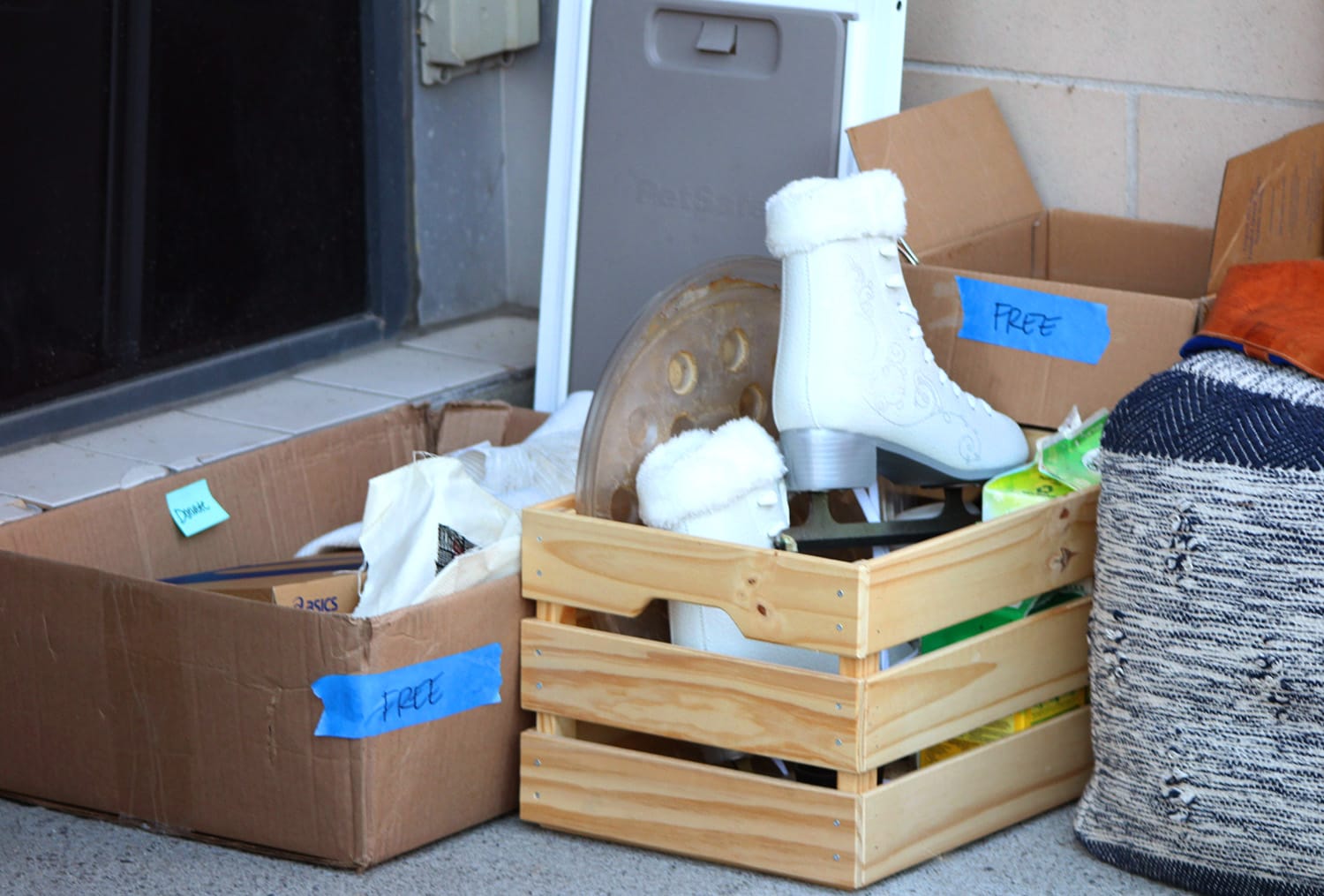
Always keep a giveaway box handy and accessible
In our family, every empty diaper box becomes a giveaway box! Keep your box somewhere convenient but not excessively visible. Often the bottom of the closet, in the garage, or at the end of a hallway is best! Use a brown paper grocery bag in your bedroom and baby’s room to immediately toss outgrown or undesired clothing. Make donation the path of least resistance whenever possible with an easy-to-access giveaway box!
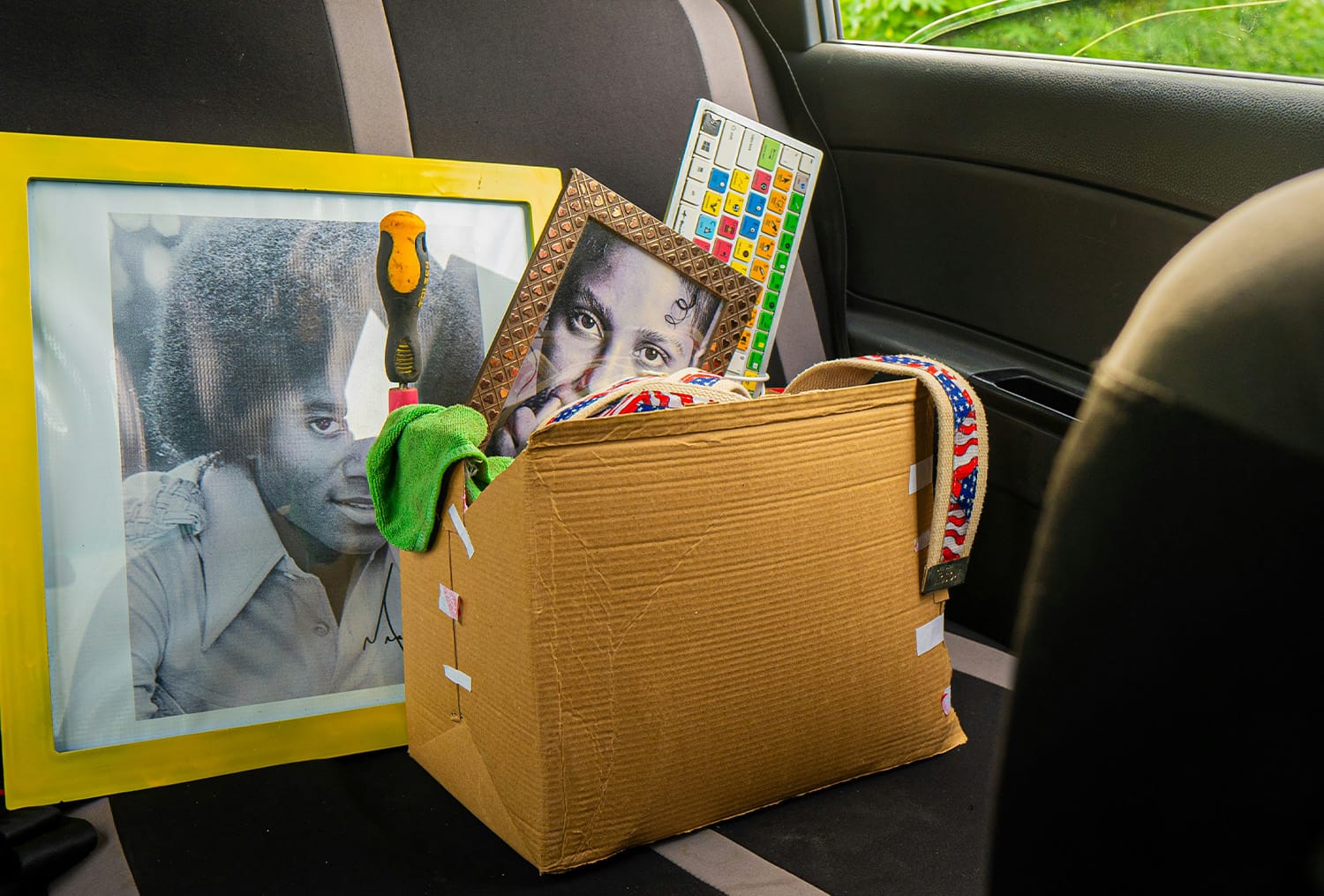
Keep yourself honest with a one-in-one-out rule
This is an excellent habit to model for your children! Do you love that new sweater more than one already in your drawer? That coffee mug is cute, but which old one would you like to replace it with? For kids, a one-in-one-out rule is especially effective for stuffed animals, toy trucks, and puzzles. The excitement of receiving something new is a positive time to part with one other item that no longer “sparks joy” as Marie Kondo would say.
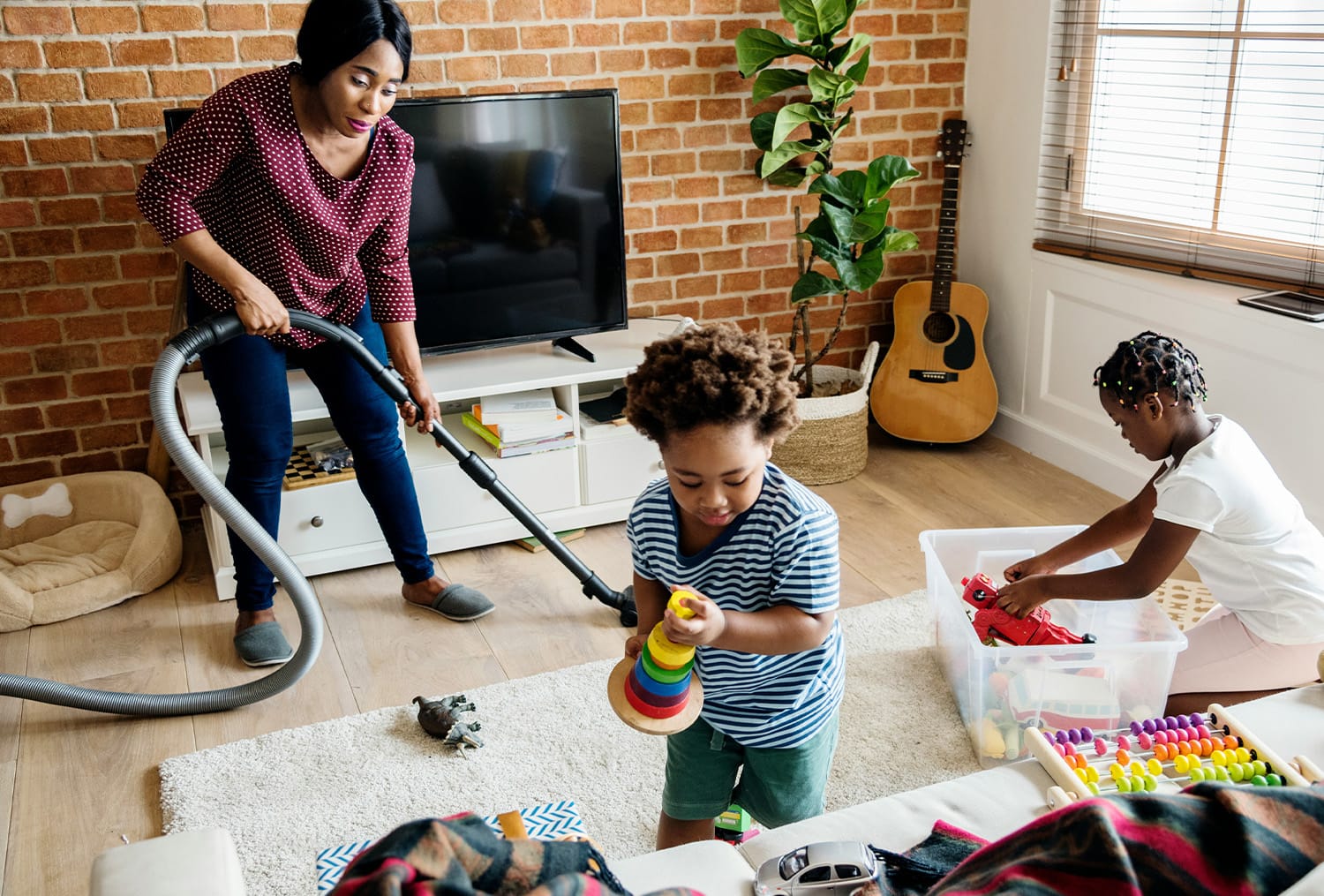
Don’t weaponize decluttering
We’ve all been guilty of rage cleaning at one time or another, but if we want to teach our children decluttering and build more sustainable practices for ourselves, we need to resist the temptation to bring strong negative emotions into the purging process. Letting go of items is an inevitable reality in our abundant (and consumerist) society. We can dispose ourselves to best appreciate our abundance by keeping excess in check. Don’t wait until you’re dysregulated by the mess around you to begin purging. Start on a good day with small, manageable steps so the process stays positive and constructive. Inviting children to actively participate in the purging process will do much more good over time than threats to “trash every toy on the floor” ever could!
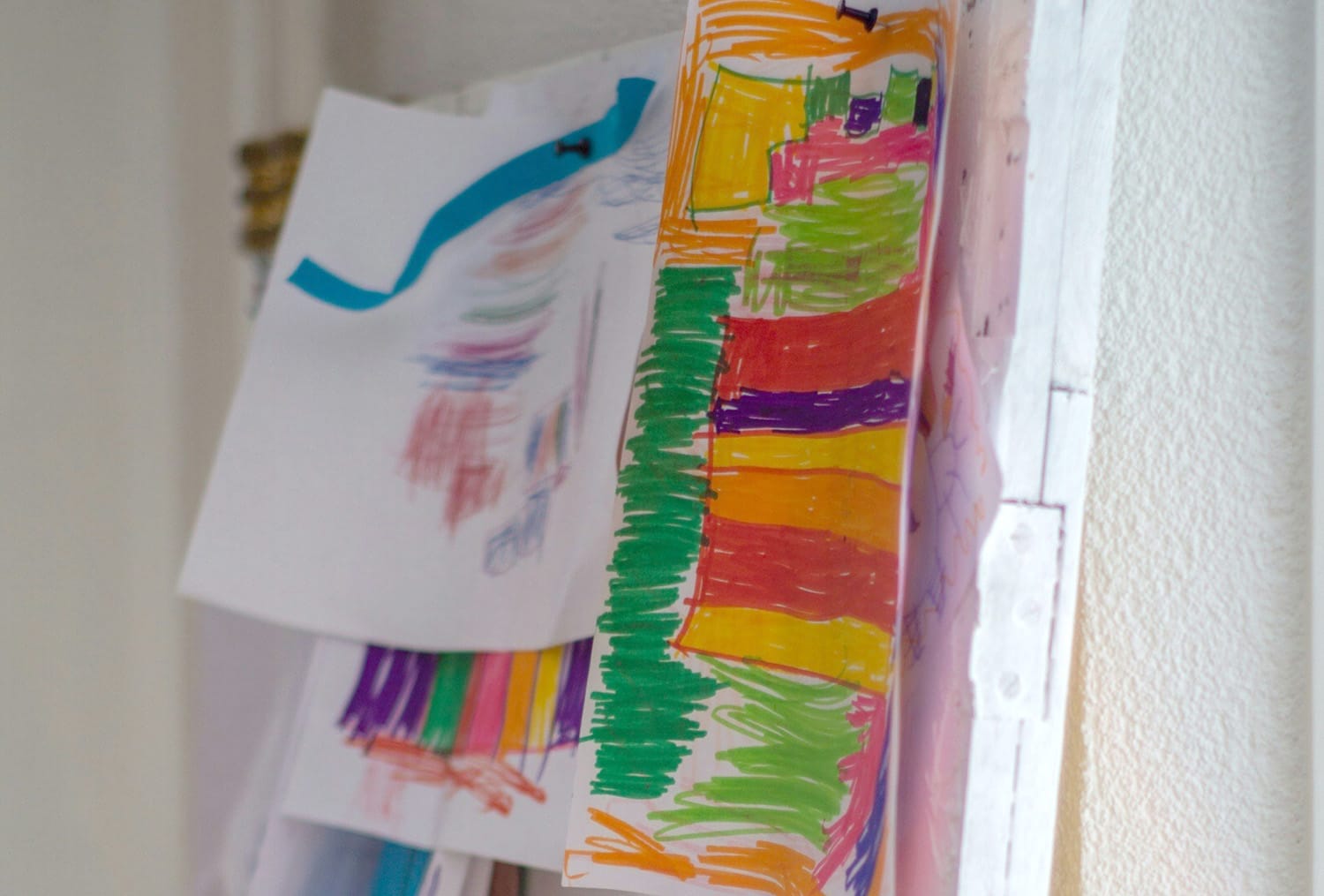
Separate the lasting memory from the physical item
This world will eventually pass away. The Latin phrase “memento mori” (remember your death) bodes surprisingly well for purging. Your experiences and memories are part of you, but that doesn’t mean every item you’ve had a meaningful interaction with needs to stay with you forever! Heirlooms and keepsakes have their place, but every soccer jersey, birthday card, and childhood knick-knack do not deserve a permanent place in your home. If you feel like you must keep some external reminder of the memory, ask yourself if there is a more streamlined way to achieve that. Do you need the whole stack of cards, or is one or two per year enough? Can you cut a patch out of each soccer jersey to repurpose into a quilt? For children, offering to take a photo of the item (such as an art project) can be particularly helpful since it makes the permanence of giving something away a little more gradual. You can compile the photos into a single collage or photo album that takes up far less space while preserving the joy.
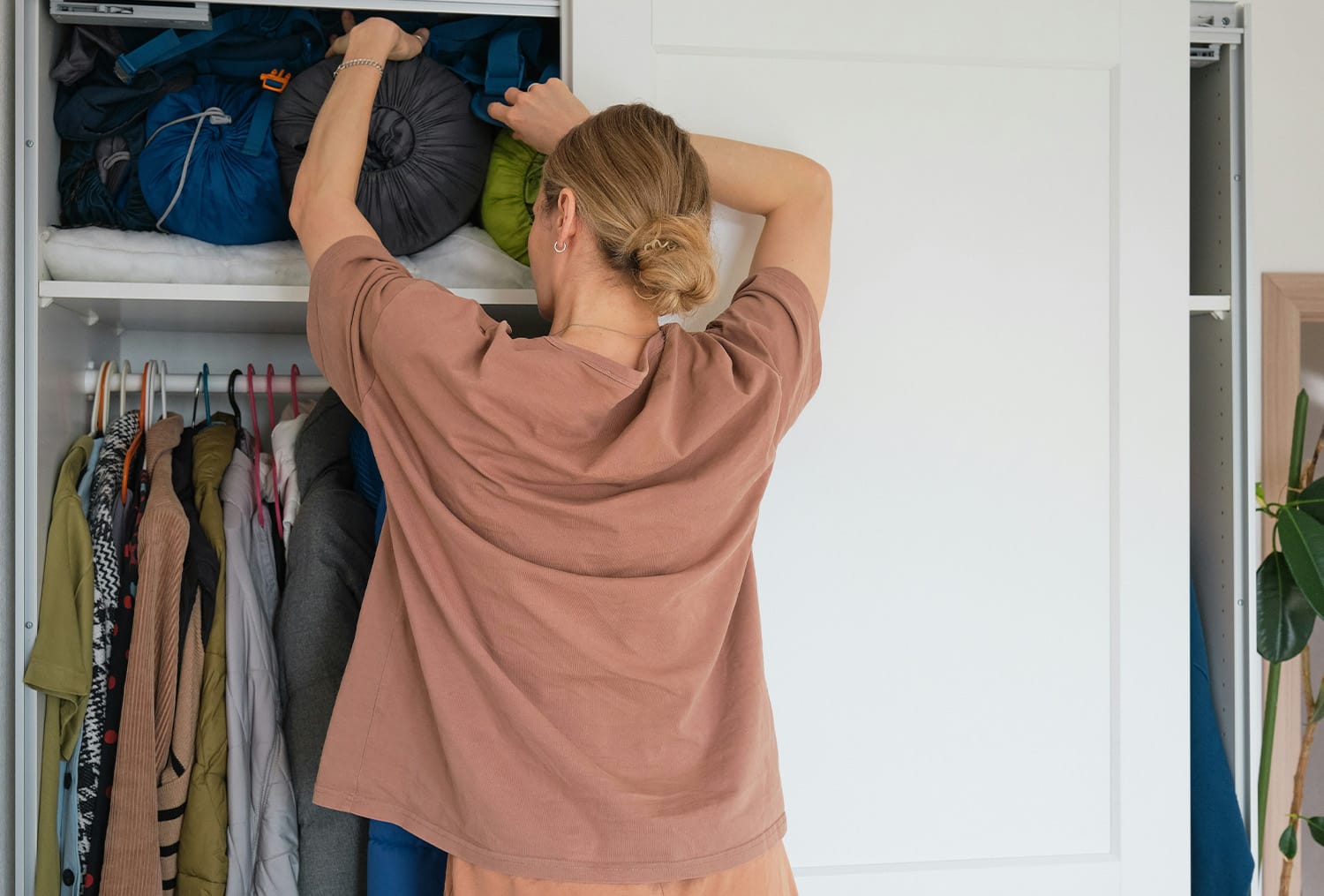
Questions to ask yourself when purging
- Would someone else value this more than I do?
- Would I buy this again?
- If this item was dropped in mud (or covered with poop), would I care enough about it to clean it?
- Am I capable of taking care of this item as it deserves?
- Does this item serve the person I am today (or a past or future version of me)?
- Have I used this in the past year?
- Is this item here because of a delayed decision? (i.e. it was easier to keep than to decide the right course of action)
Whittling down your possessions can feel intimidating, but it doesn't have to! Involve your kids and begin small. A steady rhythm of purging with a low bar of entry will help the practice stick long enough for your family to see the positive impact! After all, the ultimate goal of purging is to cultivate moderation, contentment, gratitude, and stewardship. Model good downsizing practices for your children, and you’ll be surprised by the hidden benefits.




Comments