Napa Legal files SCOTUS amicus brief supporting Catholic church’s Marian grotto
Napa Legal, a nonprofit organization, filed a joint amicus brief in the Supreme Court of the United States April 27 and urged it to take a case brought by a Kentucky Catholic church after its neighbors objected to the construction of a Marian grotto on the church property.

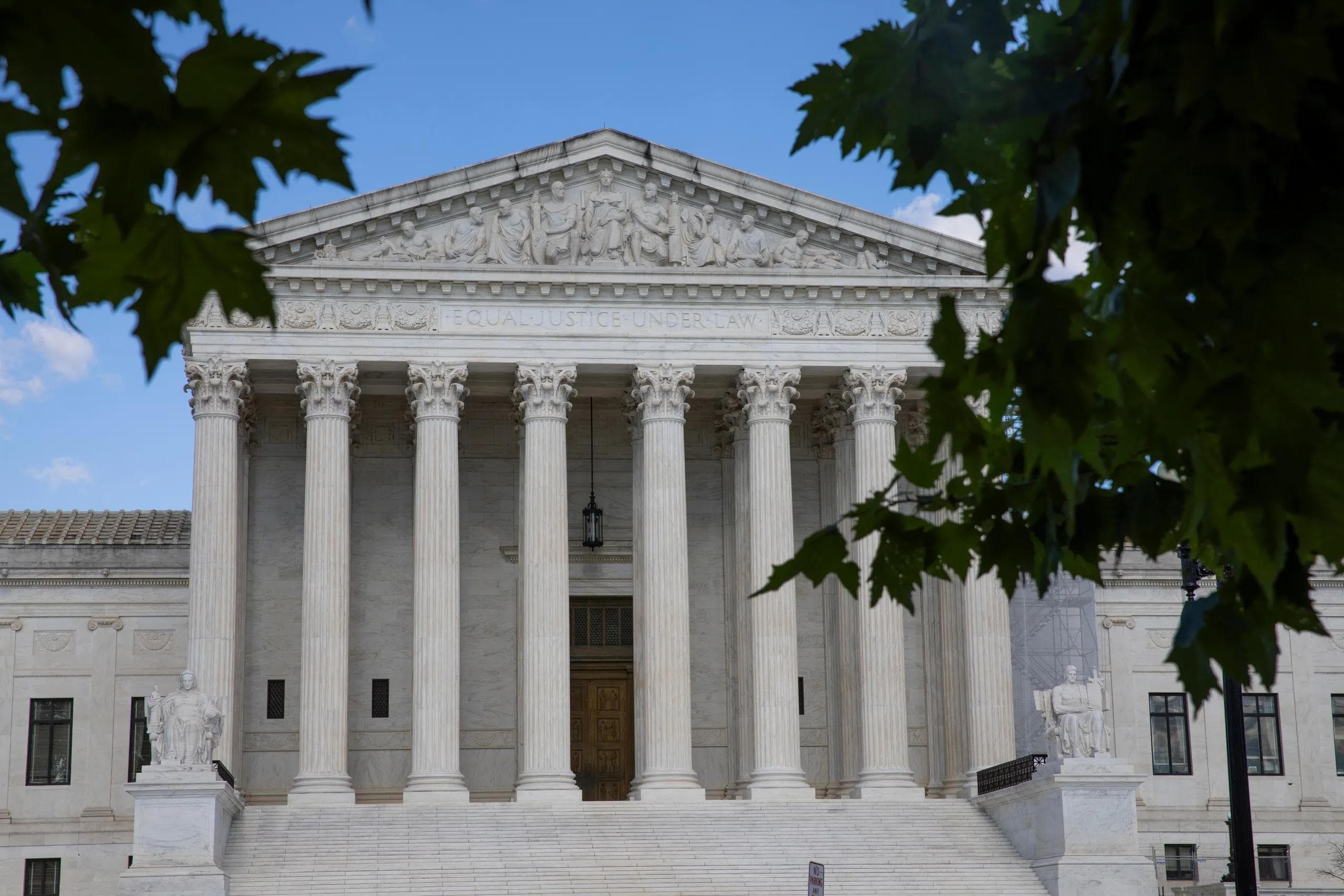
Napa Legal, a nonprofit organization, filed a joint amicus brief in the Supreme Court of the United States (SCOTUS) April 27 and urged it to take a case brought by a Kentucky Catholic church after its neighbors objected to the construction of a Marian grotto on the church property.
Napa Legal said in a May 6 press release that the case began when the corporation Missionaries of St. John the Baptist, Inc. sought to build a Marian grotto on its property at Our Lady of Lourdes Church in Park Hills. Although the local zoning board approved the project, neighbors argued that nearby roads were not large enough to handle the potential increase in traffic the grotto could attract.
After the objections prevented the grotto from being built, the Missionaries, Inc. sued, alleging a violation of the federal Religious Land Use and Institutionalized Persons Act (RLUPIA).
State courts, including the Kentucky Supreme Court, ruled against the Missionaries, Inc. According to Napa Legal, the decisions carry “several concerning legal implications,” since the courts relied on a specific legal precedent that makes it difficult for the corporation to prove they faced a “substantial burden” on their religious exercise.
“The Kentucky Supreme Court’s approach is part of a broader doctrinal problem,” the amicus brief states. “By adopting the Sixth Circuit’s Livingston framework to determine what land-use restrictions constitute a ‘substantial burden’ on religious exercise, it embraces an unduly narrow conception that leaves RLUIPA with little practical force in land-use disputes.”
In the release, Napa Legal said the court’s substantial burden test “is an inappropriate way to apply RLUIPA and makes this crucial religious liberty protection for religious land use practically meaningless.”
Napa Legal joins the Manhattan Institute in the amicus brief, which urges SCOTUS to take the case and apply different substantial burden tests implemented by other courts.
“If the U.S. Supreme Court hears this case and overrules the Kentucky Supreme Court,” Napa Legal stated, “it would create a much-needed precedent to ensure religious organizations can use their property for religious purposes without being subject to restrictive and inappropriate land-use laws.”





Comments