New house, now what? The tools first-time homeowners actually need
Buying a home is a big step! Once you’ve made it through the frenzy of unpacking, the reality of home maintenance begins to set in. Many tools can be purchased once the project arises, but it is helpful to have a few basics on hand.

Buying a home is a big step! Once you’ve made it through the frenzy of unpacking, the reality of home maintenance begins to set in. Many tools can be purchased once the project arises, but it is helpful to have a few basics on hand. With these items in your (literal) toolbelt, you can stay on top of home maintenance and avoid common newbie mishaps!
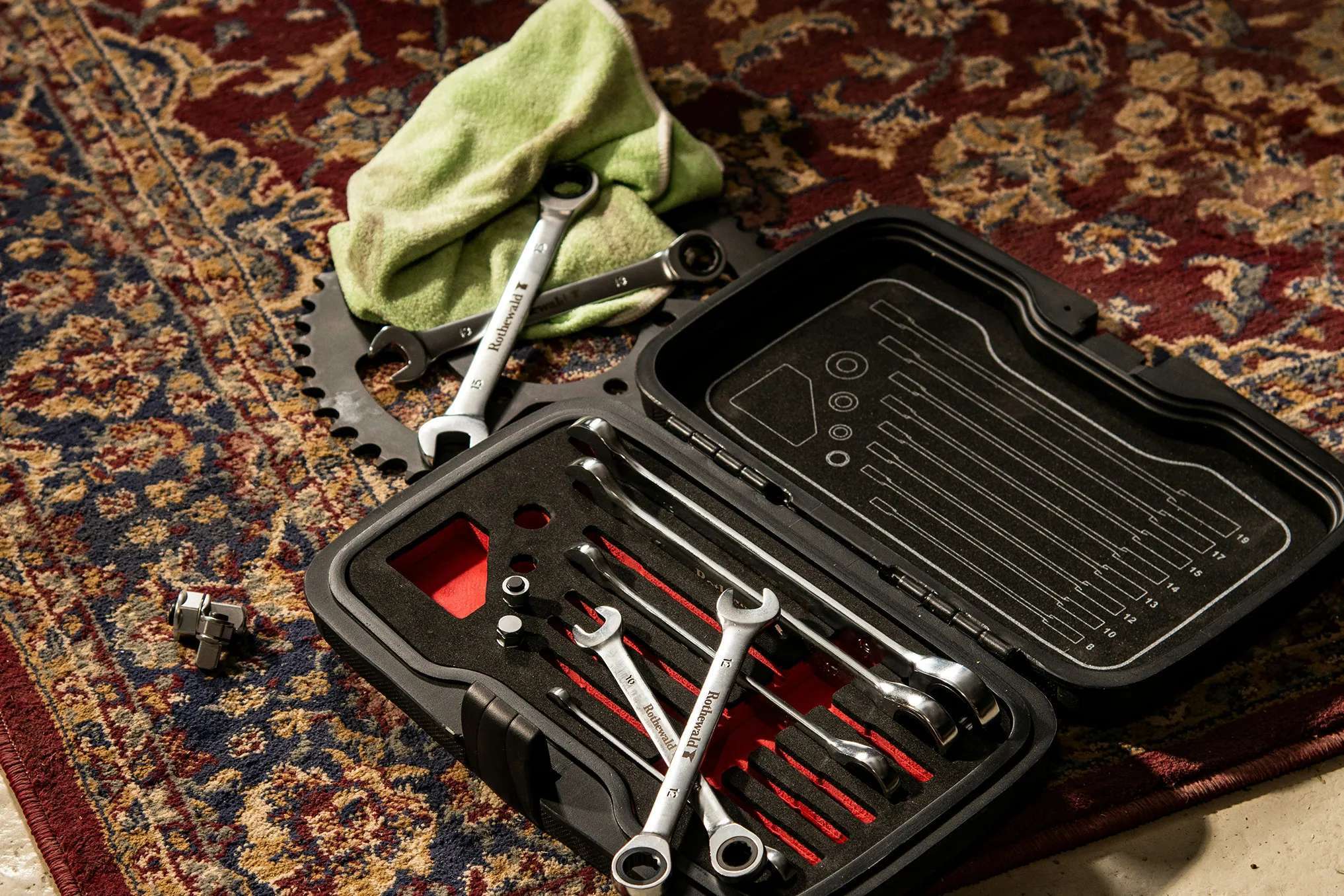
Starter tool kit
Look for one that includes a hammer, flat head screwdriver, Phillips head screwdriver, adjustable wrench, pliers, a tape measure, and maybe an Allen wrench set. A ready-made kit can be helpful because it includes the perfectly sized storage box, but you could assemble the items individually yourself and purchase an empty toolbox to hold them.
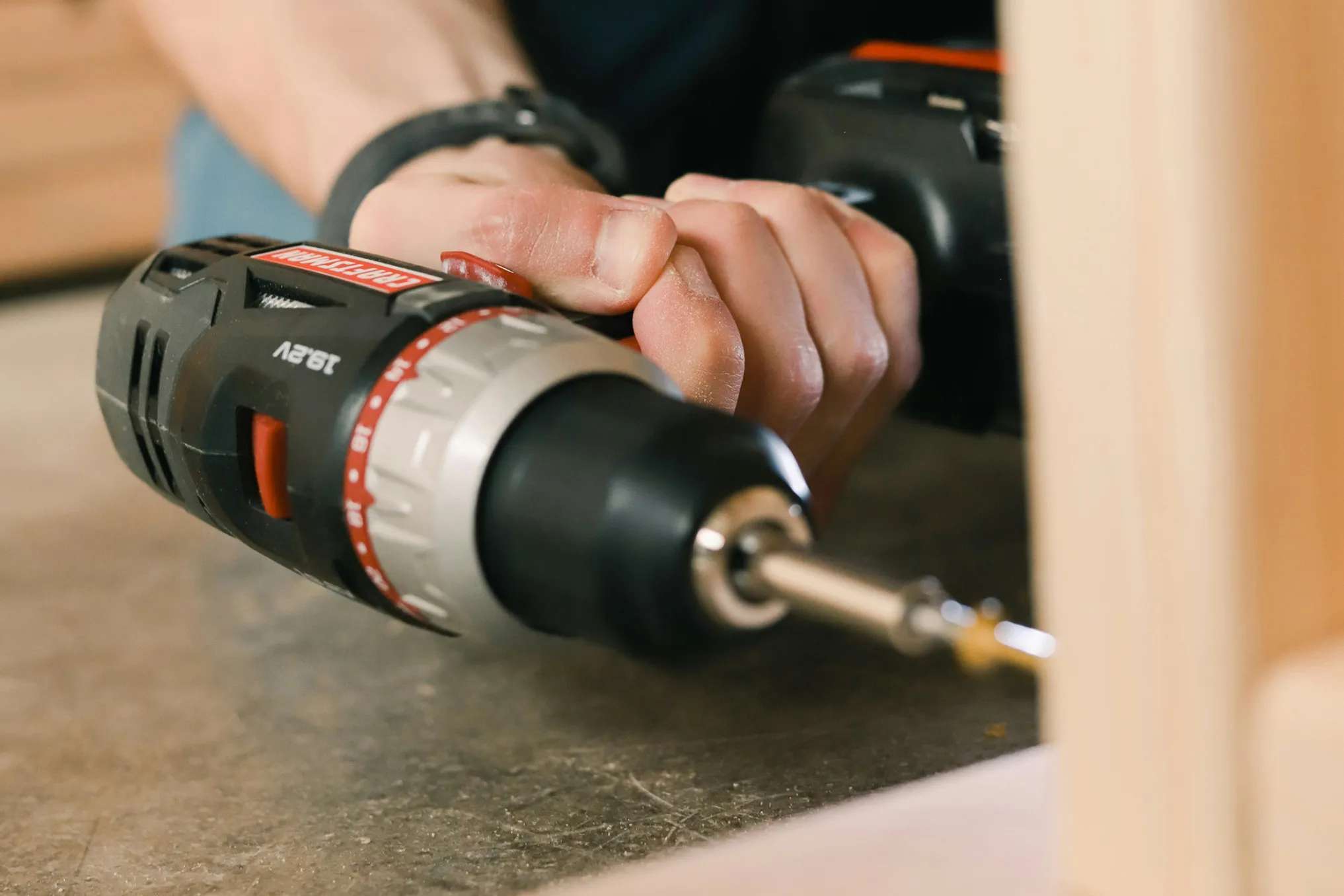
Cordless drill
A cordless drill is helpful for any serious mounting (like a TV, shelf, or furniture anchors). It can also majorly speed up furniture assembly! Nowadays, cordless drills use lithium-ion batteries that are lightweight and easy to recharge. You may want a drill with two batteries in case your project takes longer than one charge to complete! A 12v-18v drill will serve most basic tasks without being too expensive or unwieldy to use.

Protective gear
A pair of safety goggles and rubberized protective gloves are a good idea to have on hand. These should be worn whenever you use your electric drill. Rubberized gloves can improve your grip strength when using a wrench, and safety goggles can keep debris and dust out of your eyes.
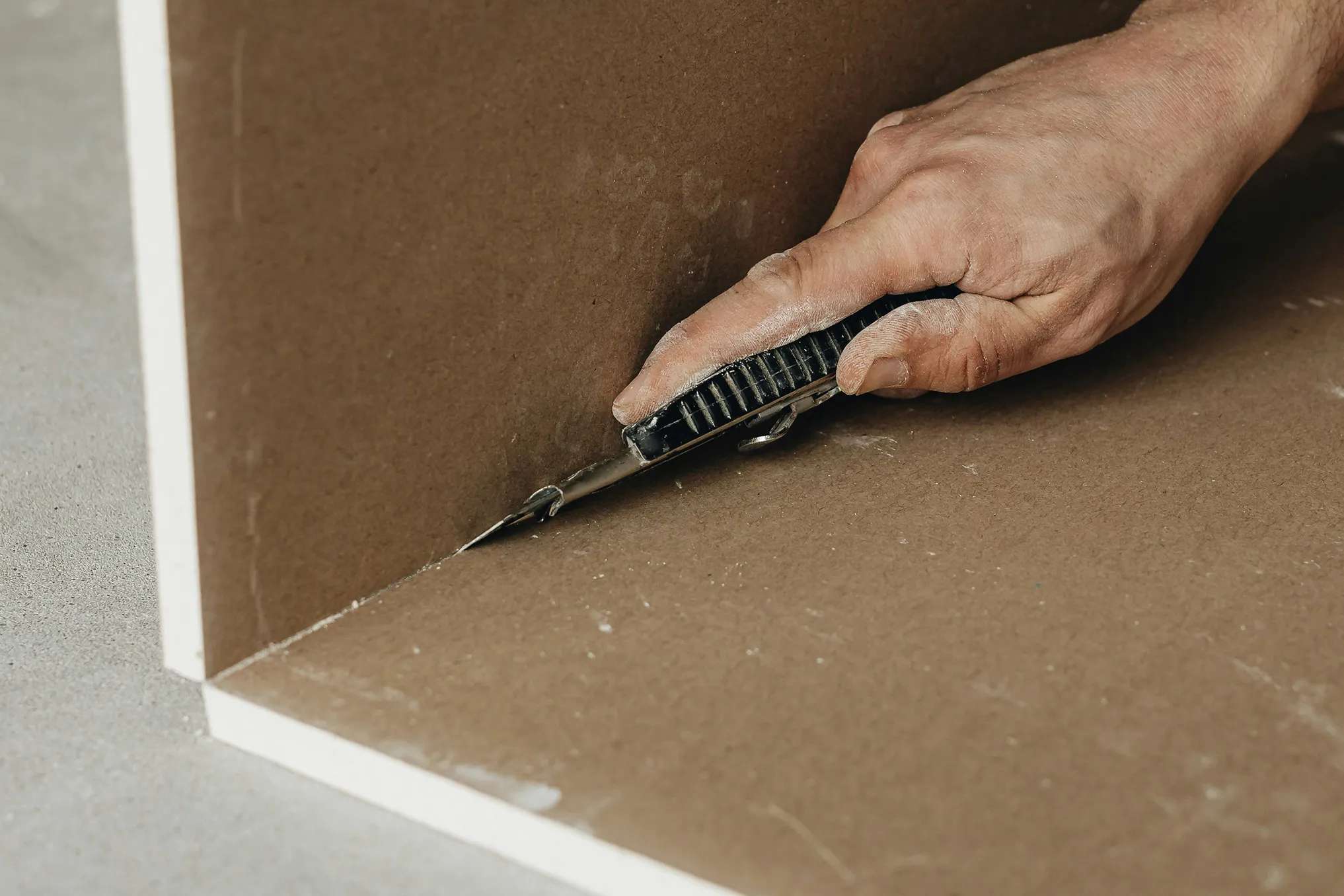
Utility knife
Not only will this come in handy when unpacking boxes, but having a utility knife will spare your kitchen knives from being volunteered for unfitting household projects. A utility knife can cut a clean and precise edge, whether that be plastic, cardboard, drywall, or carpeting, without compromising your safety. When it comes to stubborn packaging, a utility knife is a more controlled option than flimsy scissors or a larger blade.
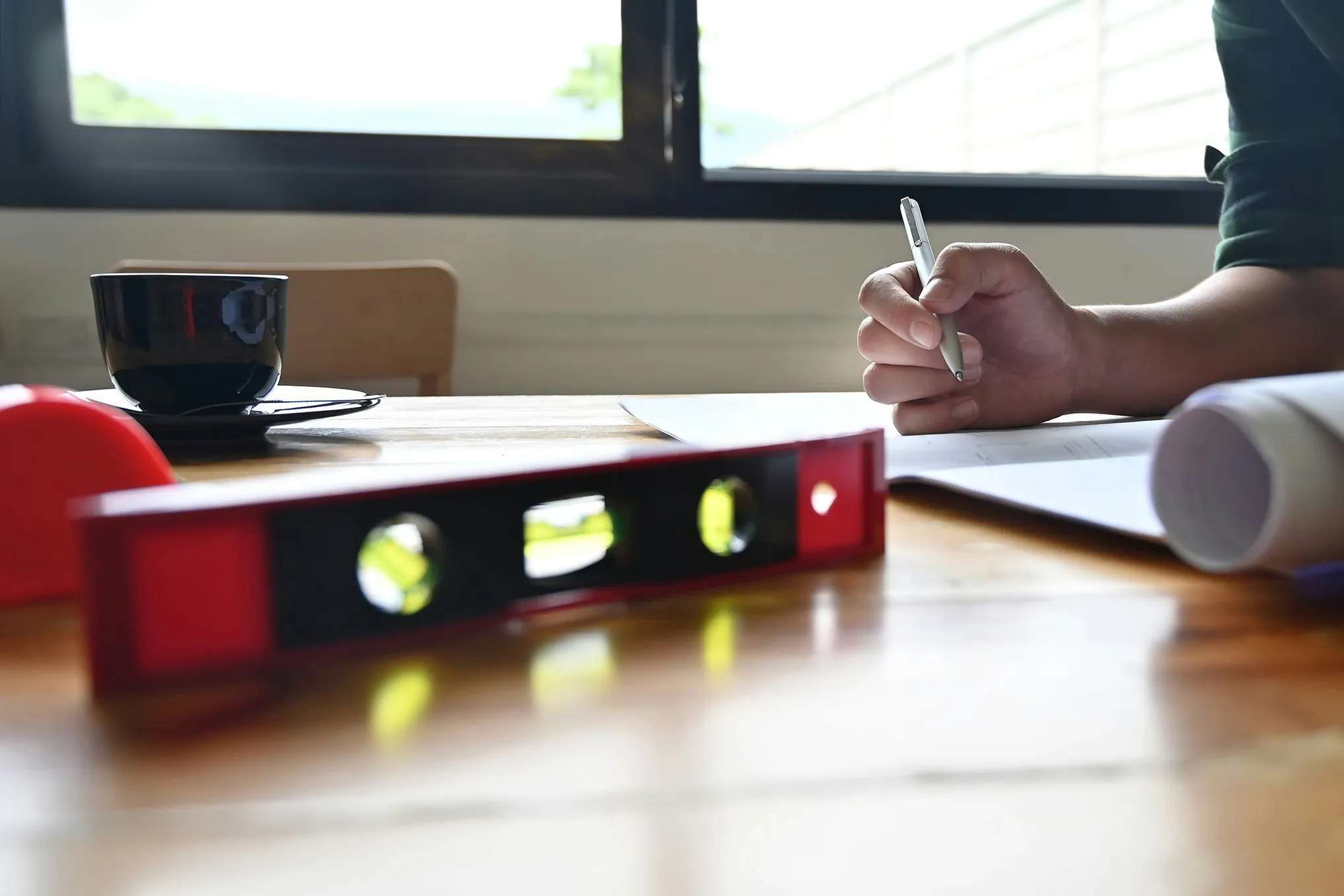
Level and stud finder
If you plan to hang any heavy artwork or shelves, a stud finder and a level are a must! The stud finder will help you locate the secure place to affix the screws and the level (either connected to the stud finder or separate) will ensure the final outcome is even. If you plan to hang a large number of pictures or are highly particular about visual spacing, consider a stud finder with a built-in laser level.










Comments