New Idaho law enacts social media restrictions for minors
Idaho Republican Gov. Brad Little on April 2 signed legislation requiring social media companies to obtain parental consent before allowing minors on their platforms and to restrict features that lawmakers say contribute to youth addiction and mental health harms.

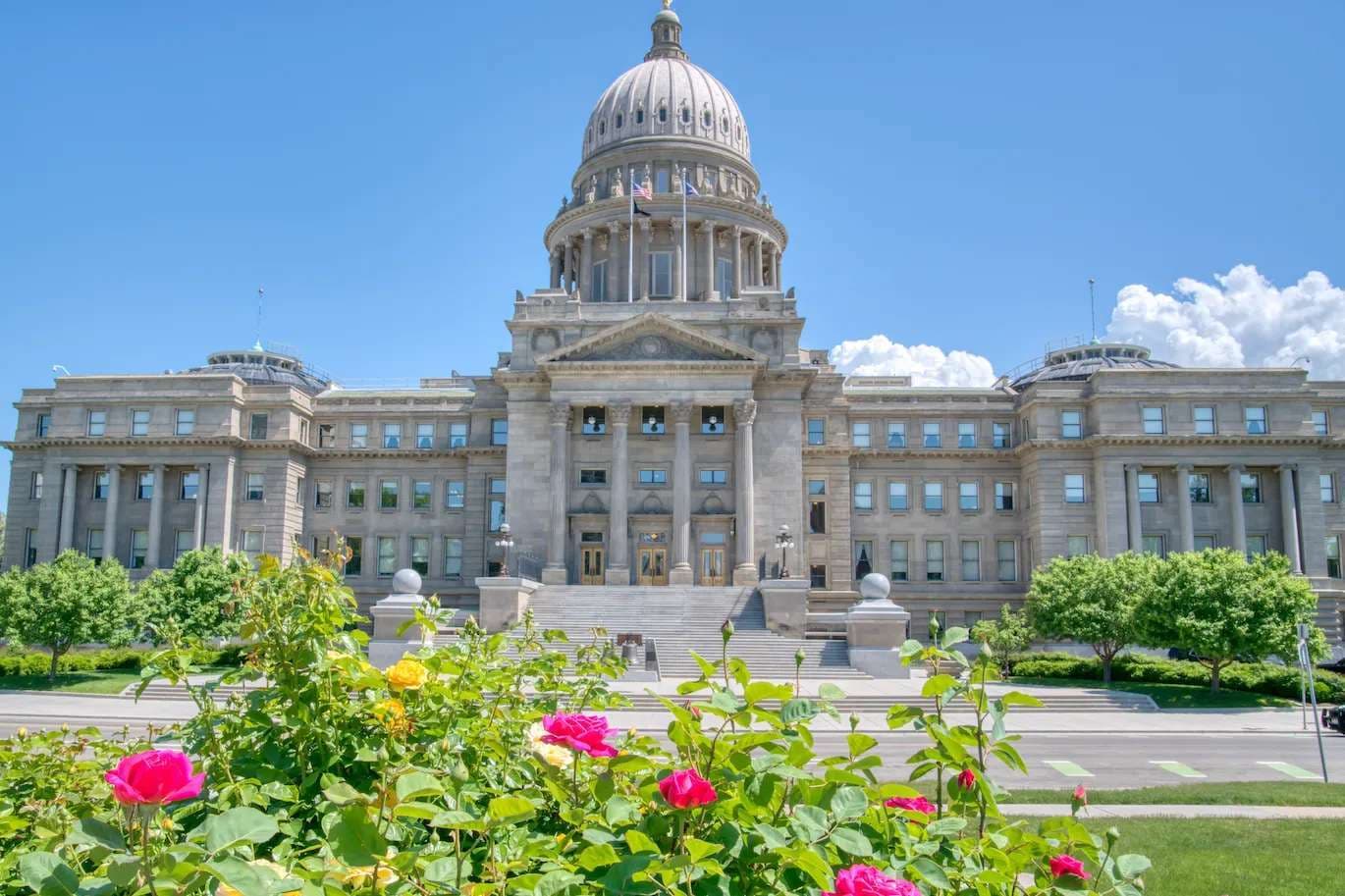
Idaho Republican Gov. Brad Little on April 2 signed legislation requiring social media companies to obtain parental consent before allowing minors on their platforms and to restrict features that lawmakers say contribute to youth addiction and mental health harms.
The law, called the Stop Harms from Addictive Social Media Act, or SHASM Act, applies to platforms generating more than $1 billion in annual advertising revenue, including services operated by Meta such as Facebook and Instagram. It is set to take effect Jan. 1, 2027.
Under the law, users 16 and younger must have accounts set to the strictest privacy settings by default, with any changes requiring parental approval. Companies are also barred from serving paid advertisements to minors and from using certain design features — including infinite scrolling and excessive push notifications — without parental consent.
The legislation passed the Idaho House 62-5 and the Senate 21-14.
Supporters say the law targets what they describe as intentionally addictive platform design.
“They built these platforms knowing that they’re addicting our youth to something they can’t say no to,” Rep. Jaron Crane, a Republican and the bill’s House sponsor, said during floor debate Feb. 9.
He compared the effects of social media use on children to substance dependency, saying, "the dopamine hit from social media addiction equals any lethal drug."
State Sen. Cindy Carlson, the bill’s Senate sponsor, said during legislative hearings that children lack the capacity to manage the pressures created by social media platforms.
Carlson said the bill aims to respond to concerns of “teen suicide and mental health issues linked to online bullying and social media use,” KLEW TV reported.
The law also creates a private right of action, allowing families to sue companies for violations, including claims tied to mental health harm and emotional distress.
The legal group Alliance Defending Freedom (ADF), which backed the bill, praised its passage.
“Children are not experiments, and their private information is not a commodity,” Chelsey Youman, senior counsel at the group, said in a statement.
The law “directly confronts the root cause of harm to children online by stopping social media companies from addicting them for profit,” she said, adding that it “protects children by keeping them off social media by default unless their parents give permission” and restricts “addictive design features and data exploitation of children.”
Opponents, including tech companies and industry groups, argued the measure could create new privacy risks and faces significant constitutional hurdles.
Meta urged Little to veto the bill, arguing the law would not achieve its stated goal of reducing youth dependence on social media, according to The Spokesman-Review. NetChoice, a trade group representing major tech companies, called the measure a “digital ID and surveillance proposal,” warning it would require platforms to collect sensitive identifying data from both minors and parents.
Supporters of the law pushed back on the data-collection argument. Youman told lawmakers during a March 13 Senate committee hearing that platforms already use age-estimation technologies and could apply them to comply with the law.
"We are simply asking them to use these tools they're already utilizing to protect our children," Youman said.
Crane similarly argued that companies’ opposition to the bill was less about user privacy than about protecting a profitable product design.
Idaho joins a number of states seeking to regulate minors’ use of social media, though courts have blocked similar laws in Arkansas, California, Maryland, Mississippi, Texas, and Utah, largely on First Amendment grounds, according to Jurist. A similar law in Florida remains tied up in litigation.
The legislative push comes amid shifting attitudes among young users. A Pew Research Center report released in April 2025 said nearly half of U.S. teens — 48% — now say social media has a mostly negative effect on people their age, up from 32% in 2022. The same report found that 44% of teens say they have cut back on their use.





Comments