Nigerian court rules religious police cannot arrest Christian woman for converting from Islam
Alliance Defending Freedom International, which supported the woman’s case, said the decision affirms that the state’s Islamic religious police have no jurisdiction over Christians or other non-Muslims.

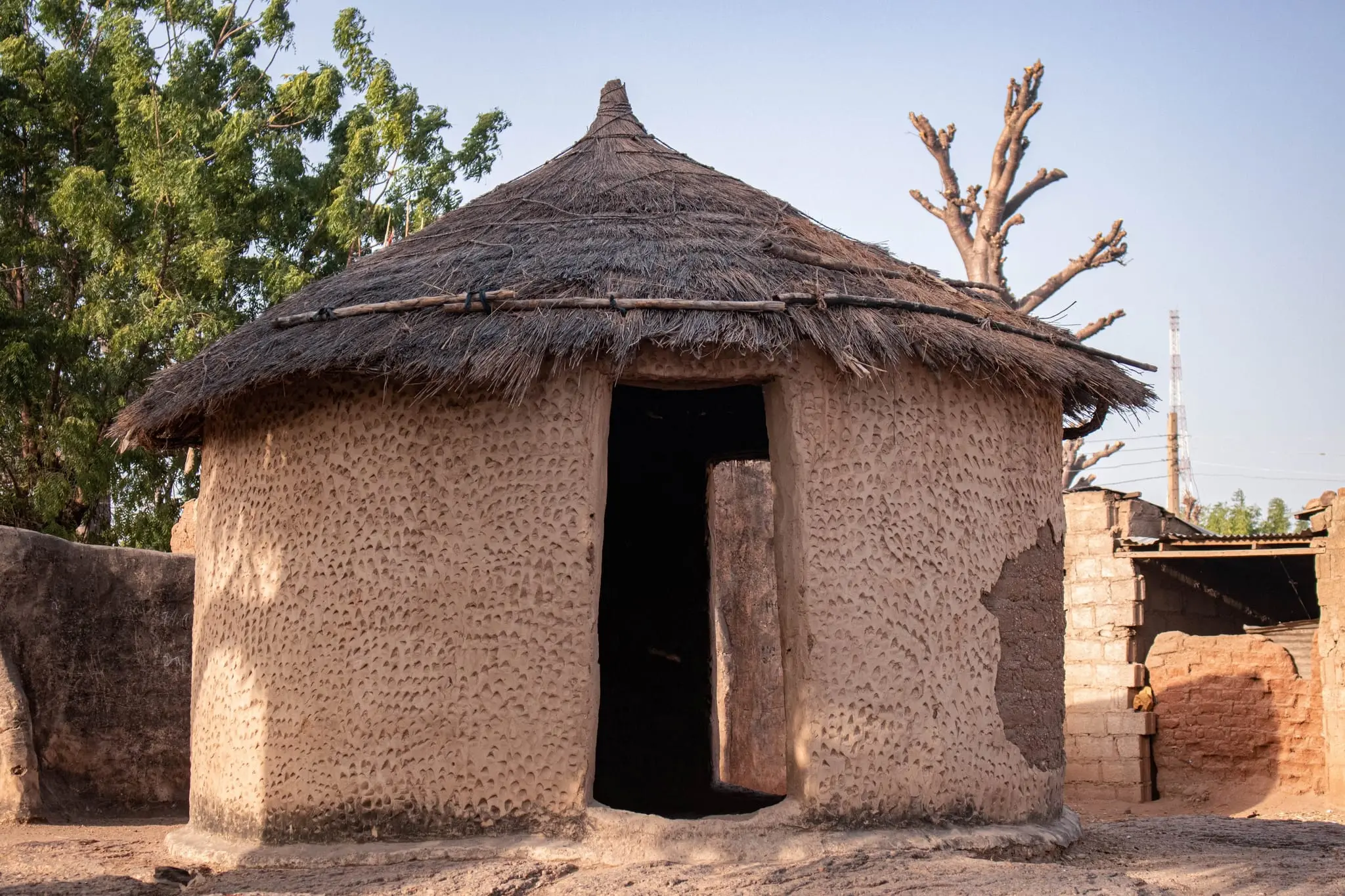
A federal high court in northern Nigeria has barred Kano State’s Islamic religious police from arresting a Christian woman over her conversion from Islam or her refusal to enter a forced marriage.
The Federal High Court issued the ruling May 26 in a case brought by a 22-year-old woman identified by the pseudonym “Sarah” for security reasons, according to an Aug. 11 statement from Alliance Defending Freedom (ADF) International, which supported her case.
The judgment bars Kano State authorities and the state’s Hisbah, an Islamic religious police force that enforces Sharia law, from pursuing Sarah’s arrest. The court described the police’s earlier actions against Sarah as a “flagrant violation” of her fundamental rights to human dignity and freedom of religion. It also ordered authorities to compensate her, ADF International said.
“No one should be coerced to leave their faith, and certainly no Christian should ever be threatened by Islamic morality police,” Sean Nelson, senior counsel for global religious freedom at ADF, said in the statement. “The court’s ruling in Sarah’s case affirms that the Hisbah police have no jurisdiction over Christians or other non-Muslims.”
Sarah fled her family home in Kano State in 2025 after her older siblings allegedly abused her and attempted to force her into marriage, ADF International reported. Her parents had died several years earlier.
She found refuge with a Christian family, identified as the Abaras, and converted to Christianity while living with them. Her siblings then worked with local Hisbah officers to have her arrested, according to ADF International.
Sarah was held for four days, during which Hisbah officers allegedly beat her and pressured her to accept the proposed marriage, the religious freedom organization reported. After her release, the Abara family helped her relocate to the city of Jos in January.
“The Abara family kept me safe in a time when I had nowhere else to go. I am grateful to them, especially for introducing me to the Gospel,” Sarah said, according to ADF International. “It is not against the law for me to choose my faith in Jesus. I am thankful the court has recognized my freedom to become a Christian and that I am now protected from the religious police.”
Sarah filed a petition seeking to enforce her fundamental rights Feb. 24 in a neighboring state. Two days later, her siblings accused the Abara family of kidnapping her, and authorities arraigned the family without legal counsel, according to ADF International. The family members are out on bail, but the criminal case against them remains pending. ADF is also supporting the Abaras’ legal defense.
“The state should never seek to punish someone for peacefully practicing their faith or helping others live out their faith safely,” Nelson said. “We have seen a growing move to assert Islamic law over the rights of Christians and other religions in Nigeria.”
He added that he hoped Sarah’s case would help counter “the expansion of Hisbah jurisdiction,” secure the dismissal of the charges against the Abaras, and lead to “the affirmation of religious freedom for all in Nigeria, regardless of their chosen faith.”




Comments