Patriarch on possible peace in Gaza: 'Something new and positive is on the horizon'
Cardinal Pierbattista Pizzaballa, Latin Patriarch of Jerusalem, told his diocese in an Oct. 4 message that this fragile period may lead to peace in Israel and Gaza, and he called for the faithful to dedicate Oct. 11 to prayer and fasting for peace.

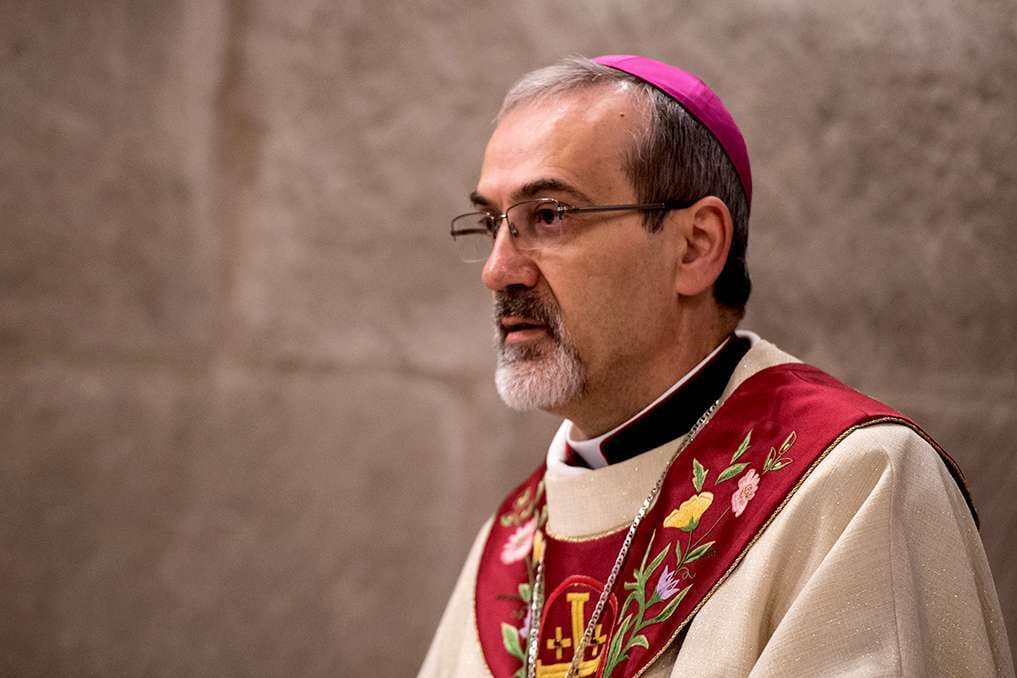
Cardinal Pierbattista Pizzaballa, Latin Patriarch of Jerusalem, told his diocese in an Oct. 4 message that this fragile period may lead to peace in Israel and Gaza, and he called for the faithful to dedicate Oct. 11 to prayer and fasting for peace.
The Israel-Hamas war has consumed the majority of the people’s energy and focus for two years, the cardinal wrote.
“By now, everyone is sadly aware of what has happened in Gaza: continued massacres of civilians, starvation, repeated displacement, limited access to hospitals and medical care, lack of hygiene, without forgetting those who are being held against their will,” he wrote.
But – for the first time – there are reports of a possible good development: the release of Israeli hostages and some Palestinian prisoners and the stopping of military offensives and bombing, he said.
“This is an important and long-awaited first step,” Cardinal Pizzaballa continued. “Nothing is entirely clear or definite yet; many questions remain unanswered, and much still needs to be defined. We must not delude ourselves, but we are pleased that something new and positive is on the horizon.”
He said the faithful are waiting to be able to rejoice for both Palestinian and Israeli families when they reunite with their loved ones.
“We rejoice above all for the end of hostilities, which we hope will not be temporary and will bring relief to the inhabitants of Gaza,” Cardinal Pizzaballa continued. “We rejoice for all of us, because the possible end of this horrible war, which now seems very close, will finally mark a new beginning for everyone — not only Israelis and Palestinians, but also the whole world.”
However, he stressed again, everyone “must remain realistic,” as the necessary step of ceasing hostilities is only the first one “on a treacherous path in a context that remains problematic.” There is much that still must be done to give Gaza a future that is peaceful, he said.
Cardinal Pizzaballa then emphasized that the situation in the West Bank is continuing “to deteriorate” and that it cannot be forgotten.
“Our communities now face all kinds of problems daily, especially in small villages, which are increasingly surrounded and suffocated by settler attacks, without sufficient protection from the security authorities,” he said.
The cardinal said the conflict will “be an integral part of the personal and communal life of our Church for a long time.” Without clarity, feelings of distrust and disorientation remain, he noted.
This is where the Church is called to courageously encourage people to have hope, Cardinal Pizzaballa continued.
“We are not here to make a political statement or to provide a strategic analysis of events,” he added. “The world is already full of such words, which rarely change the reality. Instead, we seek a spiritual vision that will help us remain steadfast in the Gospel.”
The war has devastated both the land and the souls of many people, as anger, distrust, and hatred “too often dominate our discourse and pollute our hearts,” he said.
“The images are devastating and unsettling, confronting us with what St. Paul called [the] ‘mystery of lawlessness’, which is beyond human understanding,” he wrote. “We risk becoming accustomed to suffering, but it need not be so. Every life lost, every wound inflicted, every hunger endured remains a scandal in God’s eyes.”
“Power, force, and violence have become the main criteria on which the political, cultural, economic models, and perhaps even religious ones of our time are based,” he continued, saying that, recently, the claim has circulated that peace can only be imposed through force.
“Unfortunately, it does not seem that history has taught us much,” he said. “Indeed, we have seen in the past what violence and force produce. On the other hand, in the Holy Land and around the world, we also have witnessed the outraged reaction of civil society to this arrogant logic of power and force. The images from Gaza have deeply wounded the common consciousness of rights and dignity that lives in our hearts.”
By oneself, it is impossible to understand such suffering and resist evil, according to the cardinal.
“That is why I feel an ever more urgent call to keep our eyes fixed on Jesus,” he said, quoting Hebrews 12. “Only in this way will we be able to bring order within ourselves and look at the reality with new eyes.”
The cardinal also reminded the faithful of the Christian hope in life after death.
“Christ’s empty tomb — at which, more than ever in these past two years, our hearts have paused in anticipation of resurrection — assures us that pain will not last forever, that waiting will not be in vain, and that the tears watering the desert will make the Easter garden bloom,” he said. “The faithful must continue seeking paths of forgiveness, truth, and reconciliation, where Christ’s peace will inevitably be encountered.”
Cardinal Pizzaballa also thanked those in the Holy Land and around the world supporting the Church in the Holy Land and advocating for this hope of goodness. He then encouraged the faithful to pray for several intentions throughout October: for courage to promote life, for hearts seeking truth and justice to be preserved from evil, for young people, for ecclesial communities and religious, and for those in Gaza who “courageously bear witness to the joy of life.”
Concluding, he said the diocese joins in Pope Leo XIV’s call for Oct. 11 to be observed as a day of fasting and prayer for peace, and he asked parishes to organize prayers such as the Rosary and Eucharistic adoration that day.
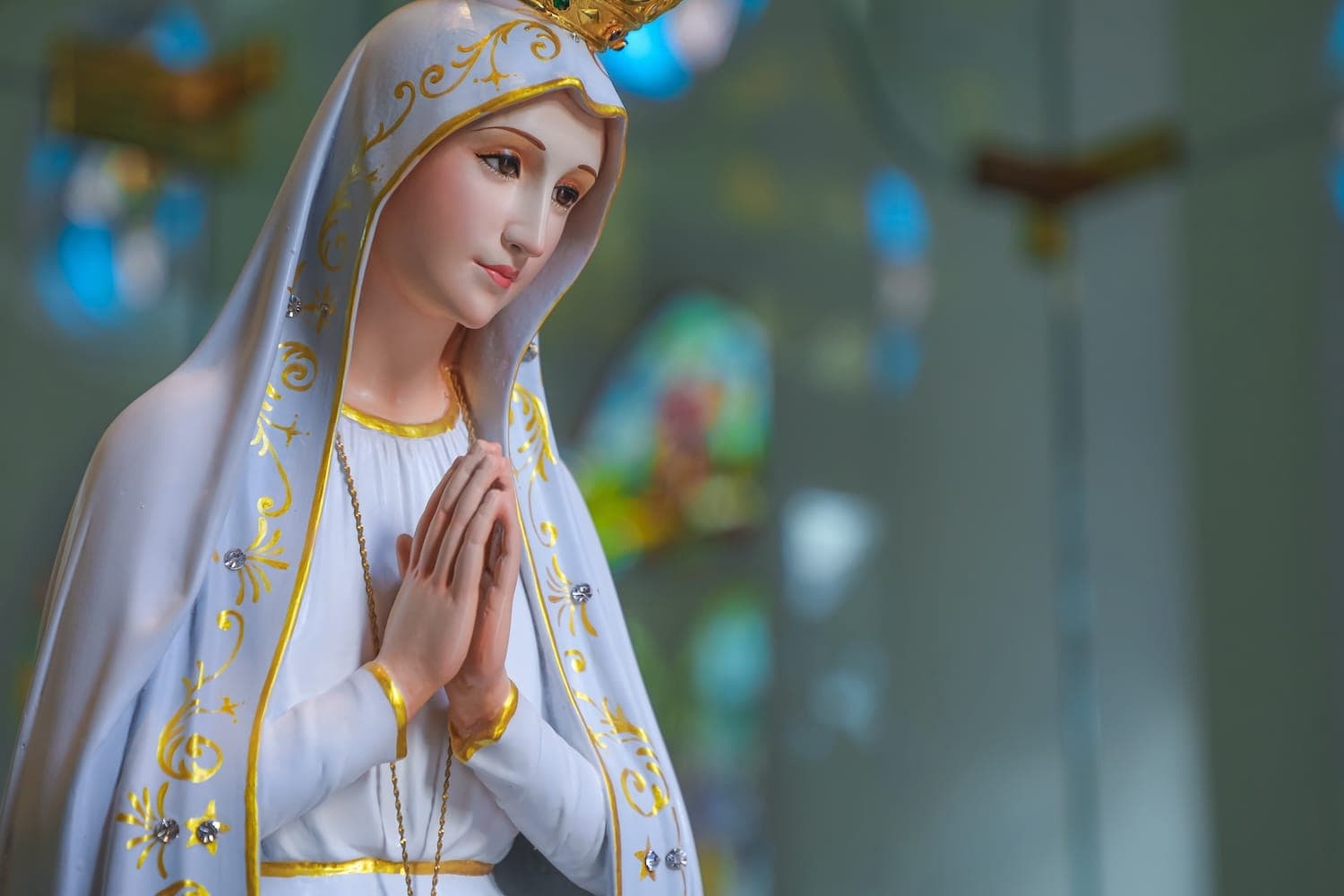
“We are approaching the feast of the Patroness of our diocese, the Queen of Palestine and of all the Holy Land,” he wrote. “In the hope that we may finally gather on that day, we renew our intercessory prayer for peace to our Patroness.”

.jpg&w=3840&q=75)
Comments